
Filters
64 products
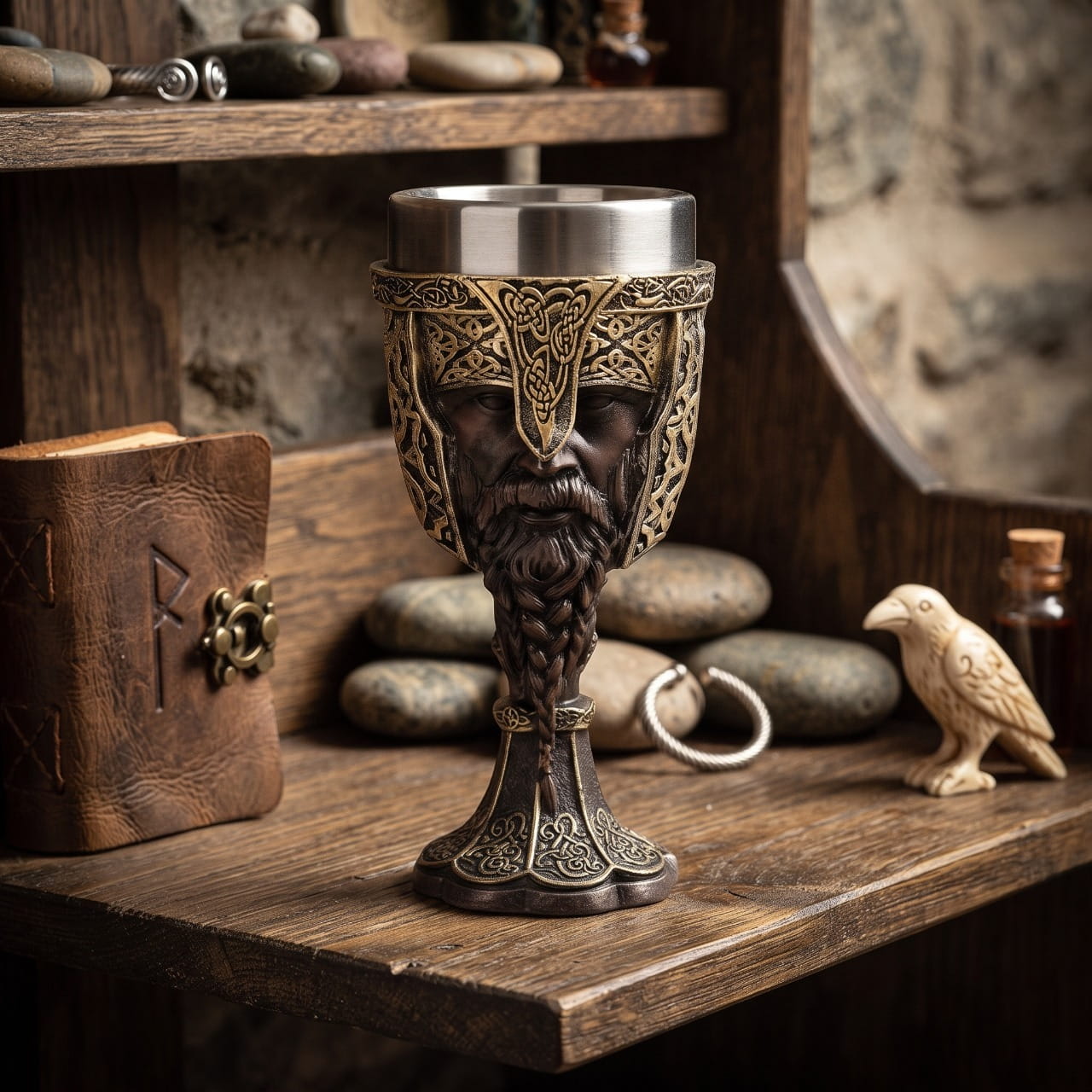
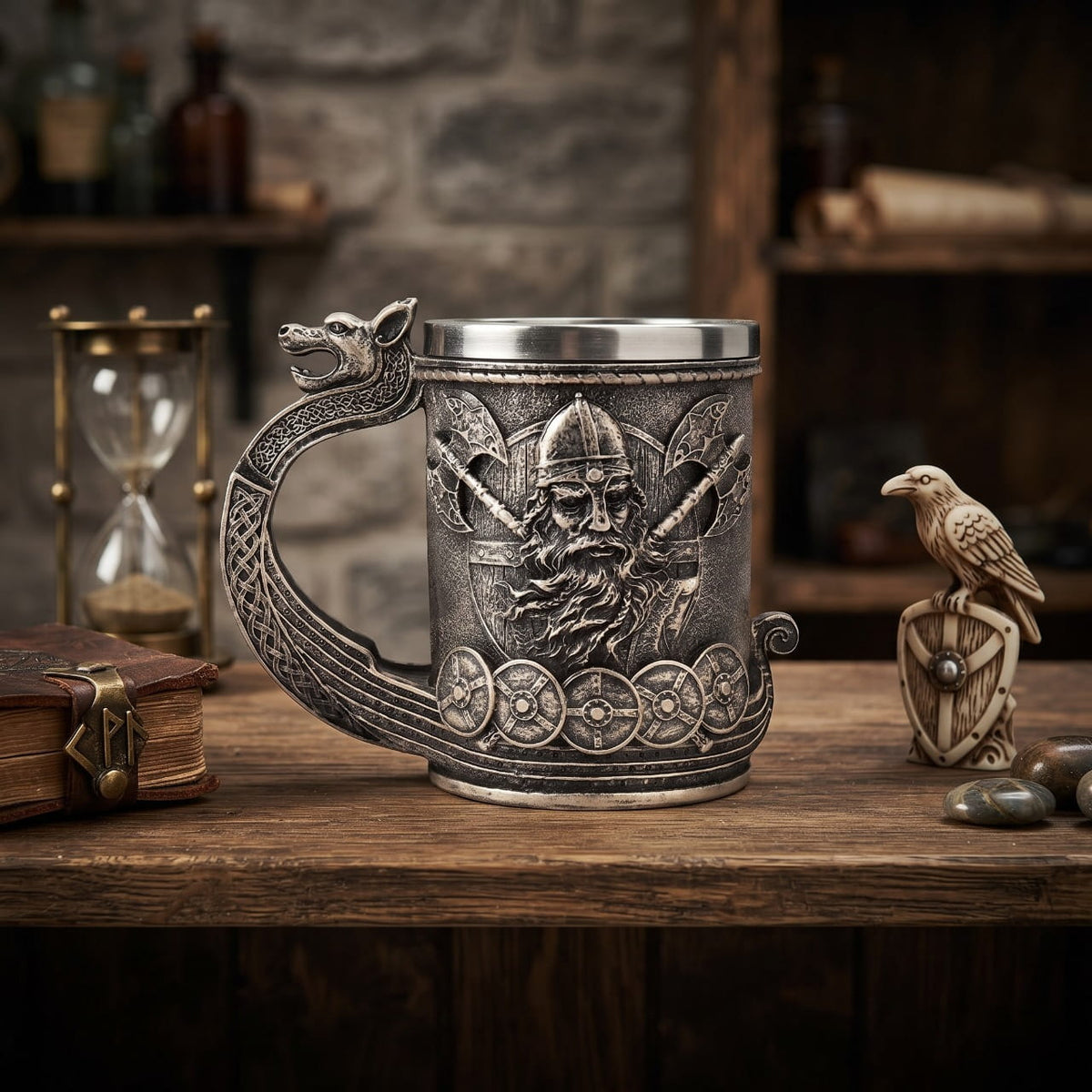
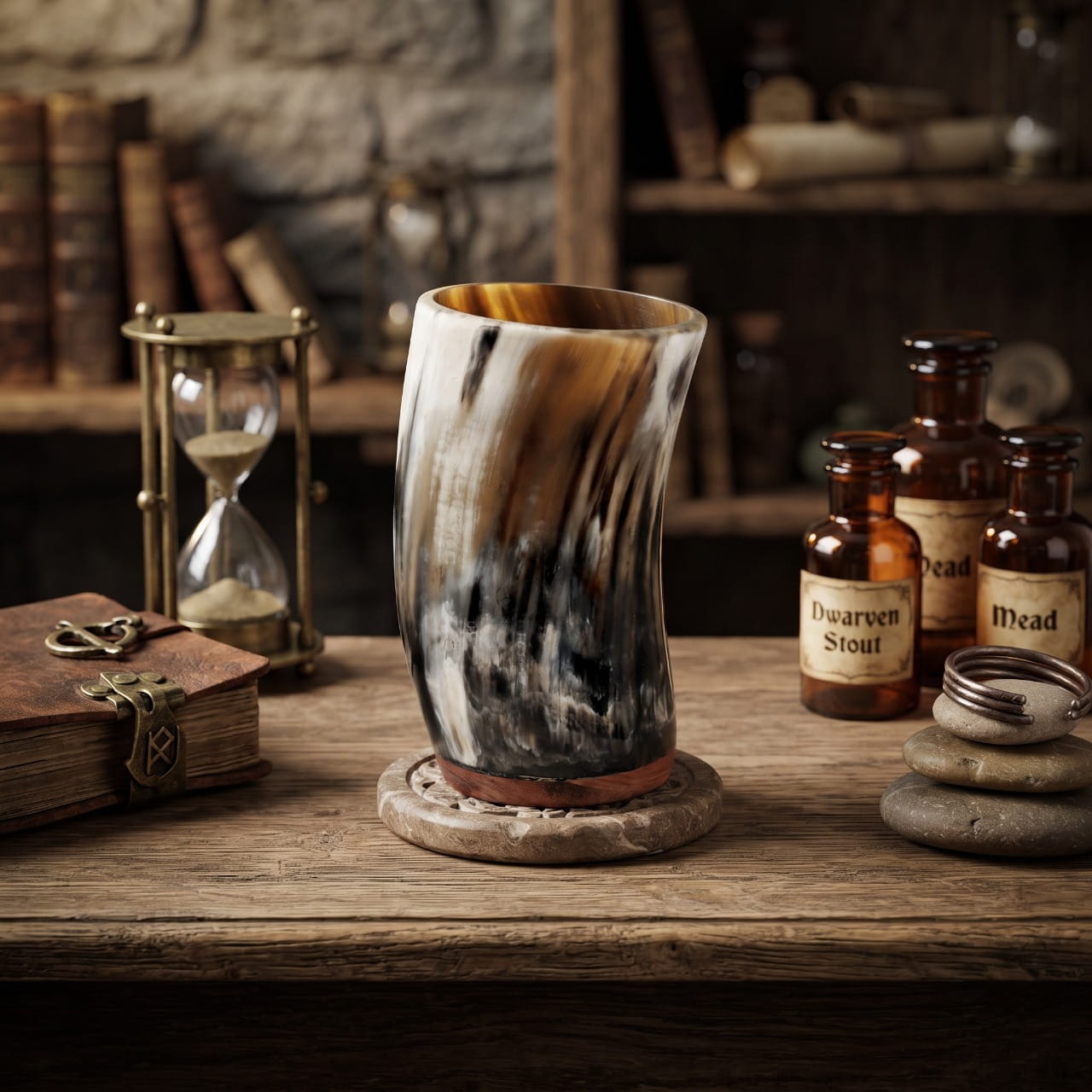
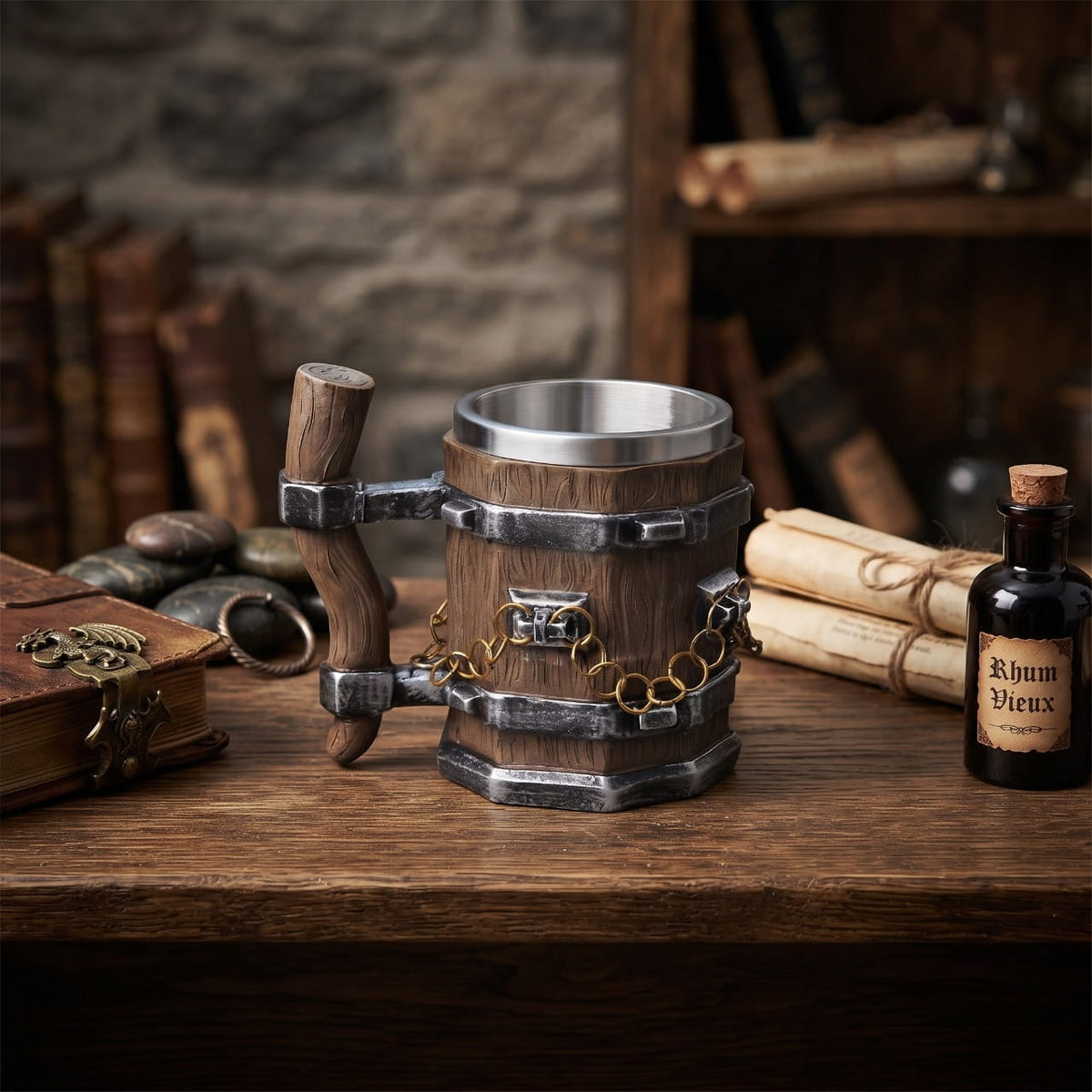
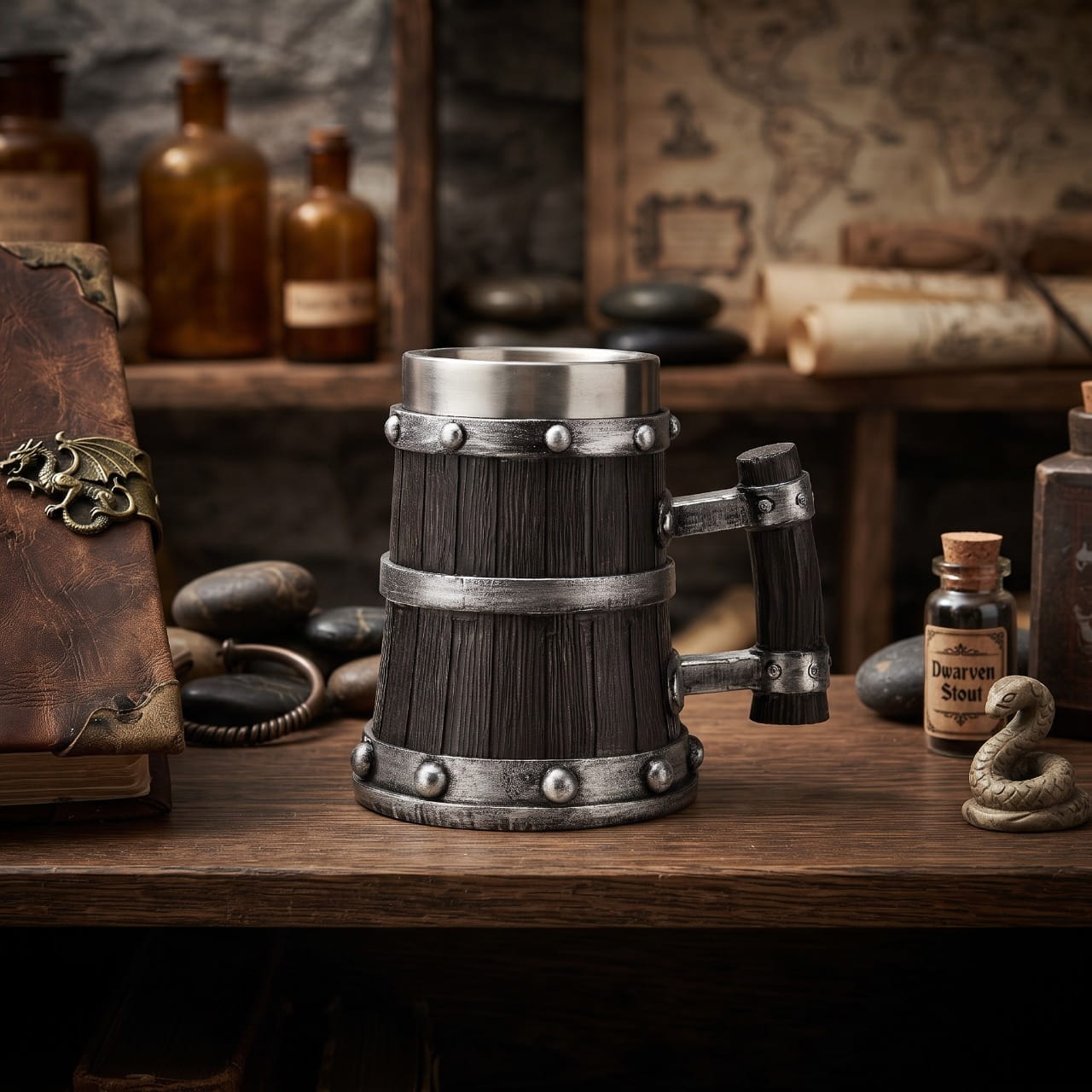
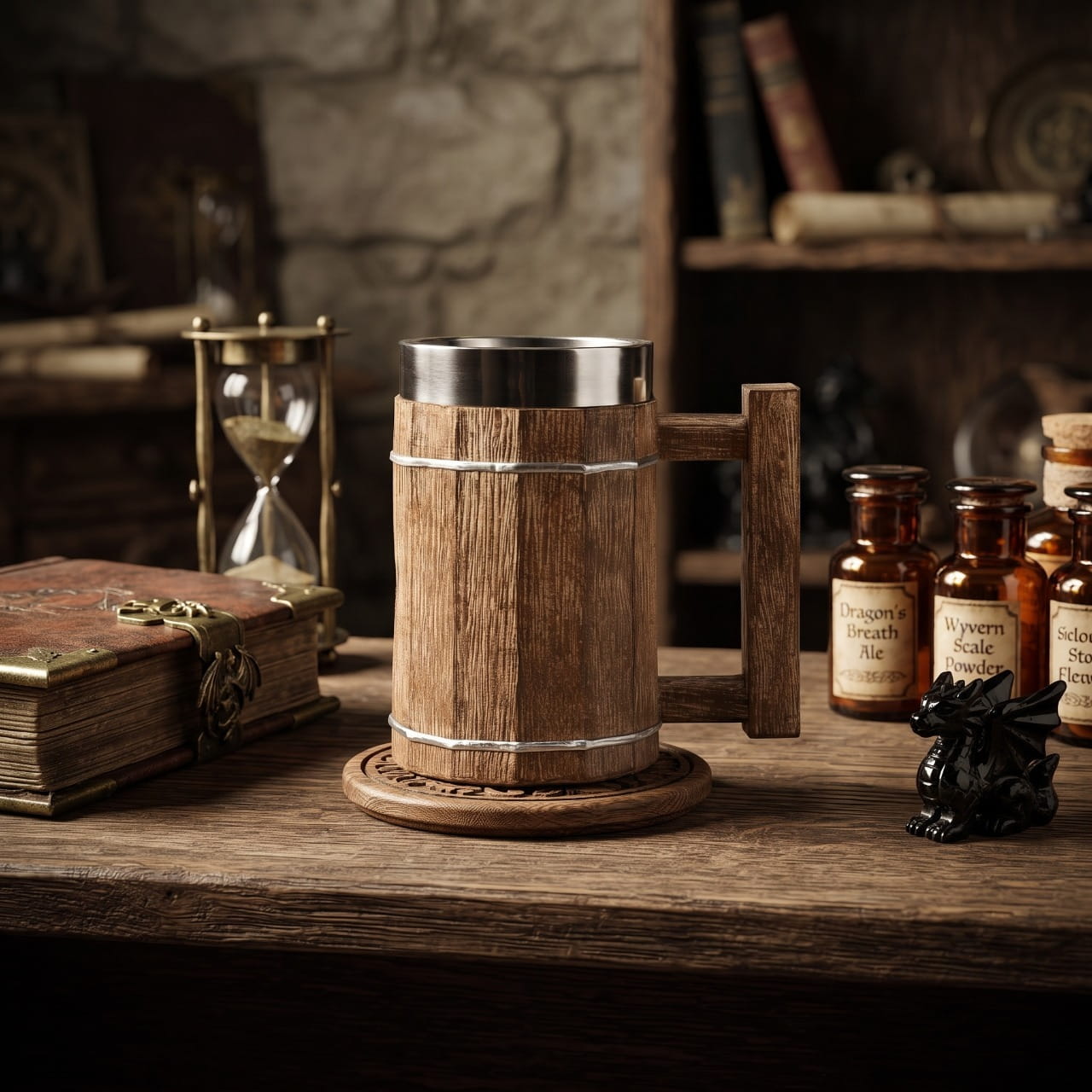
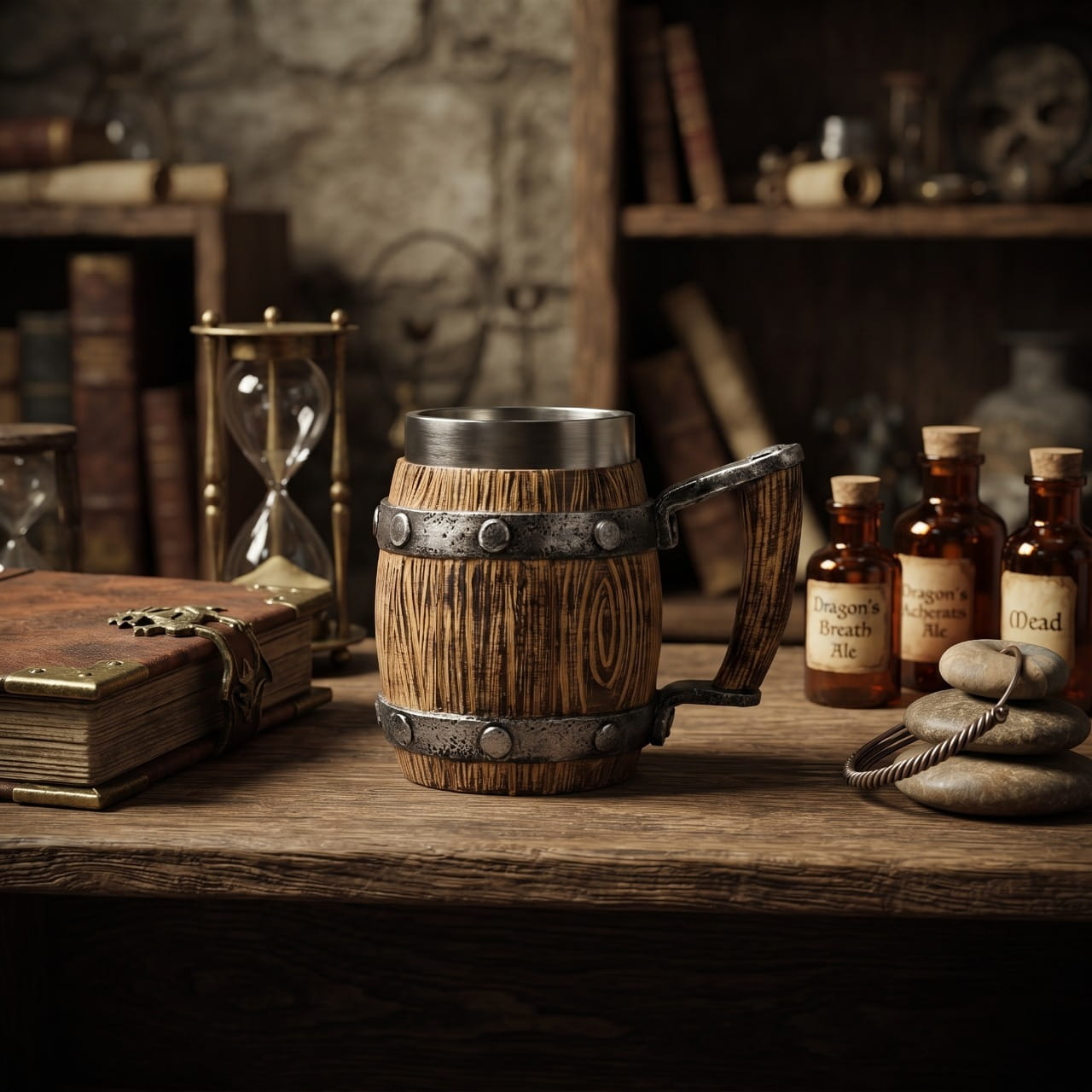
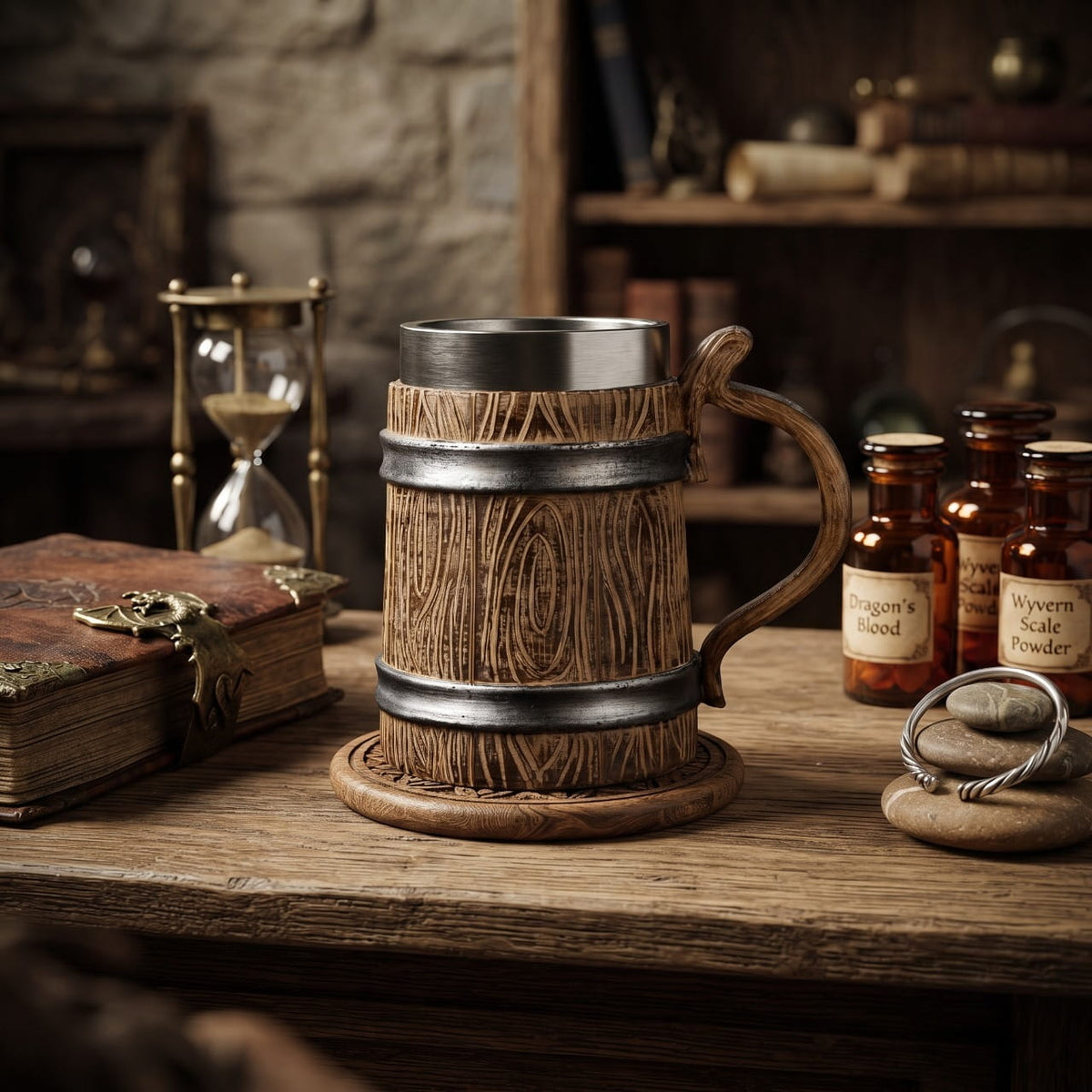
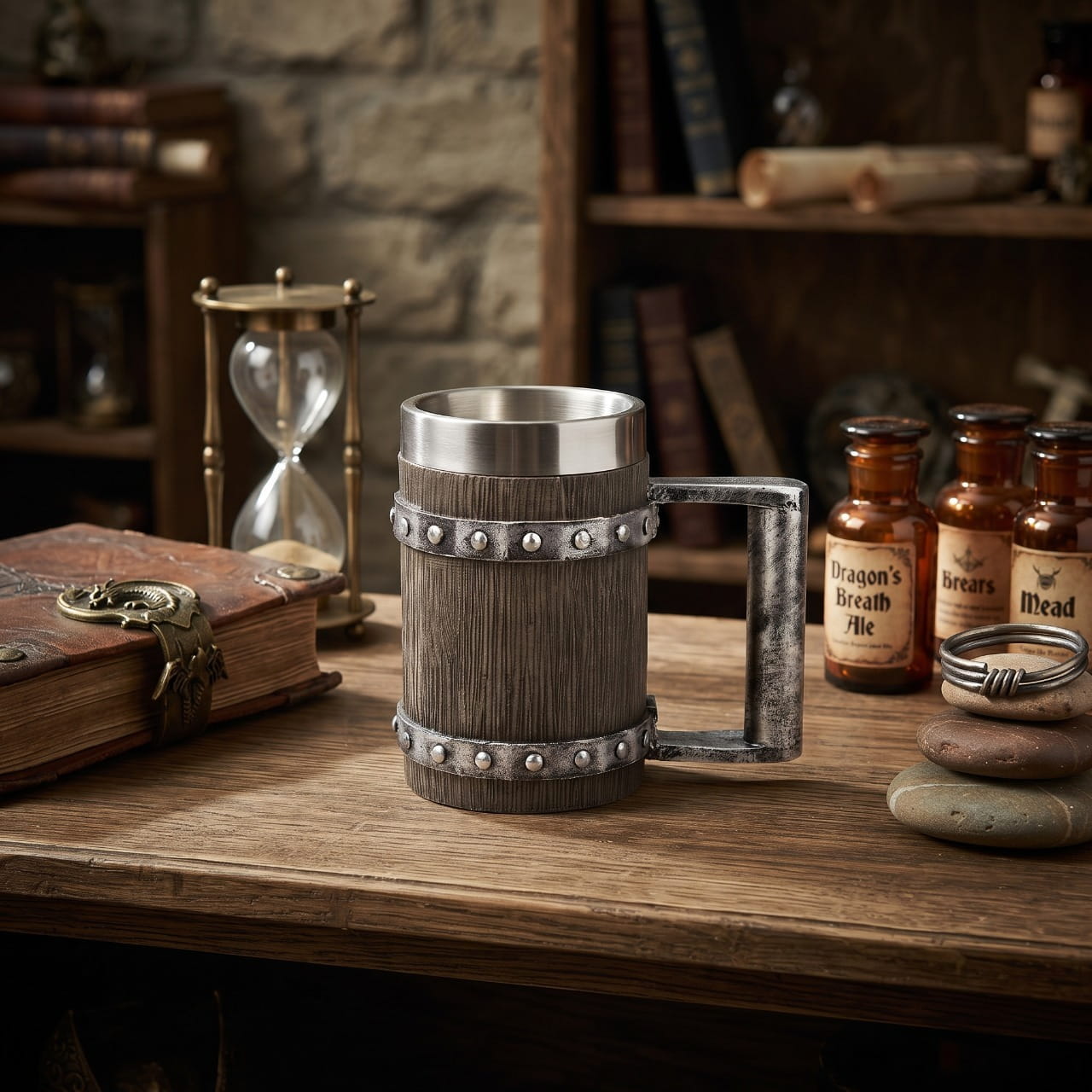
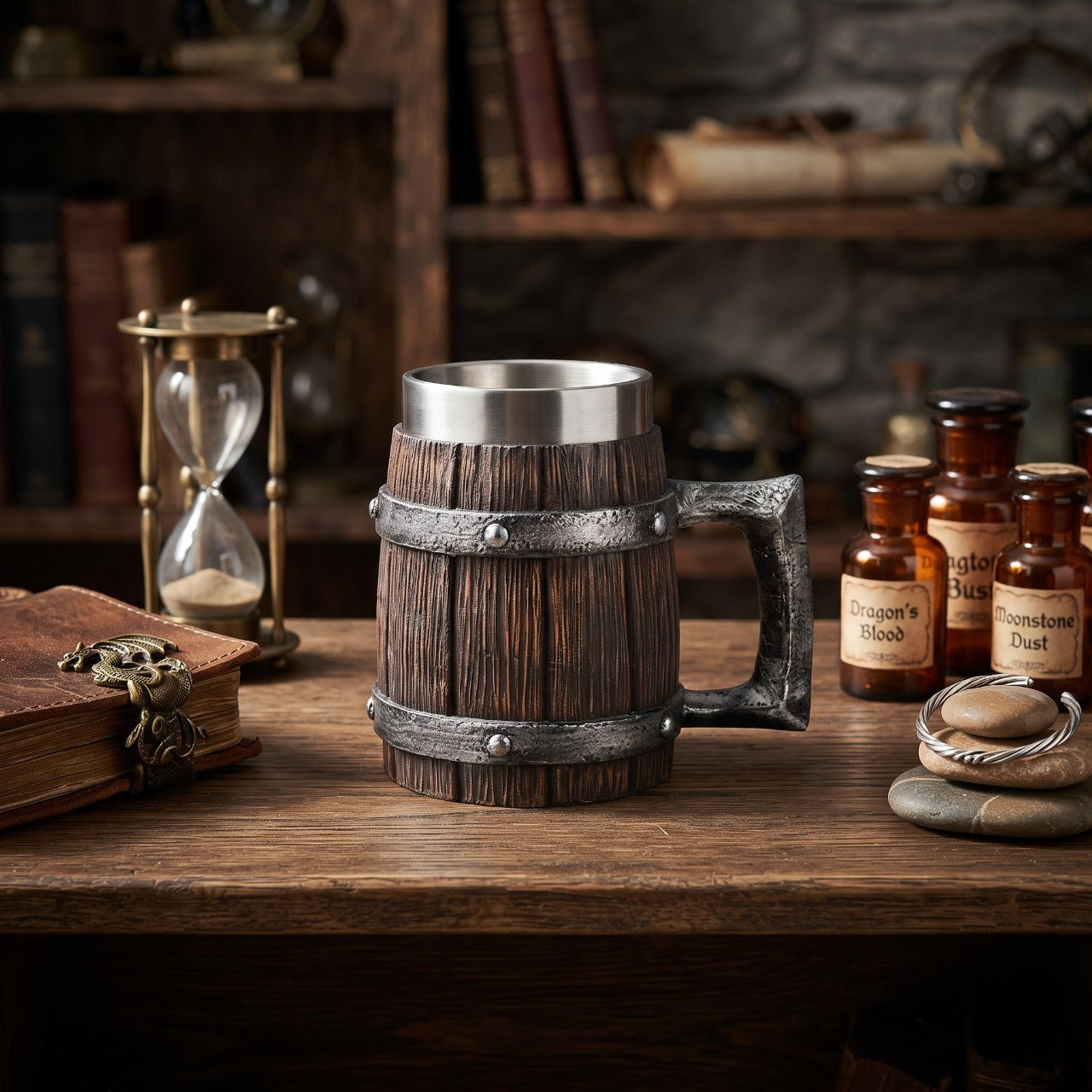
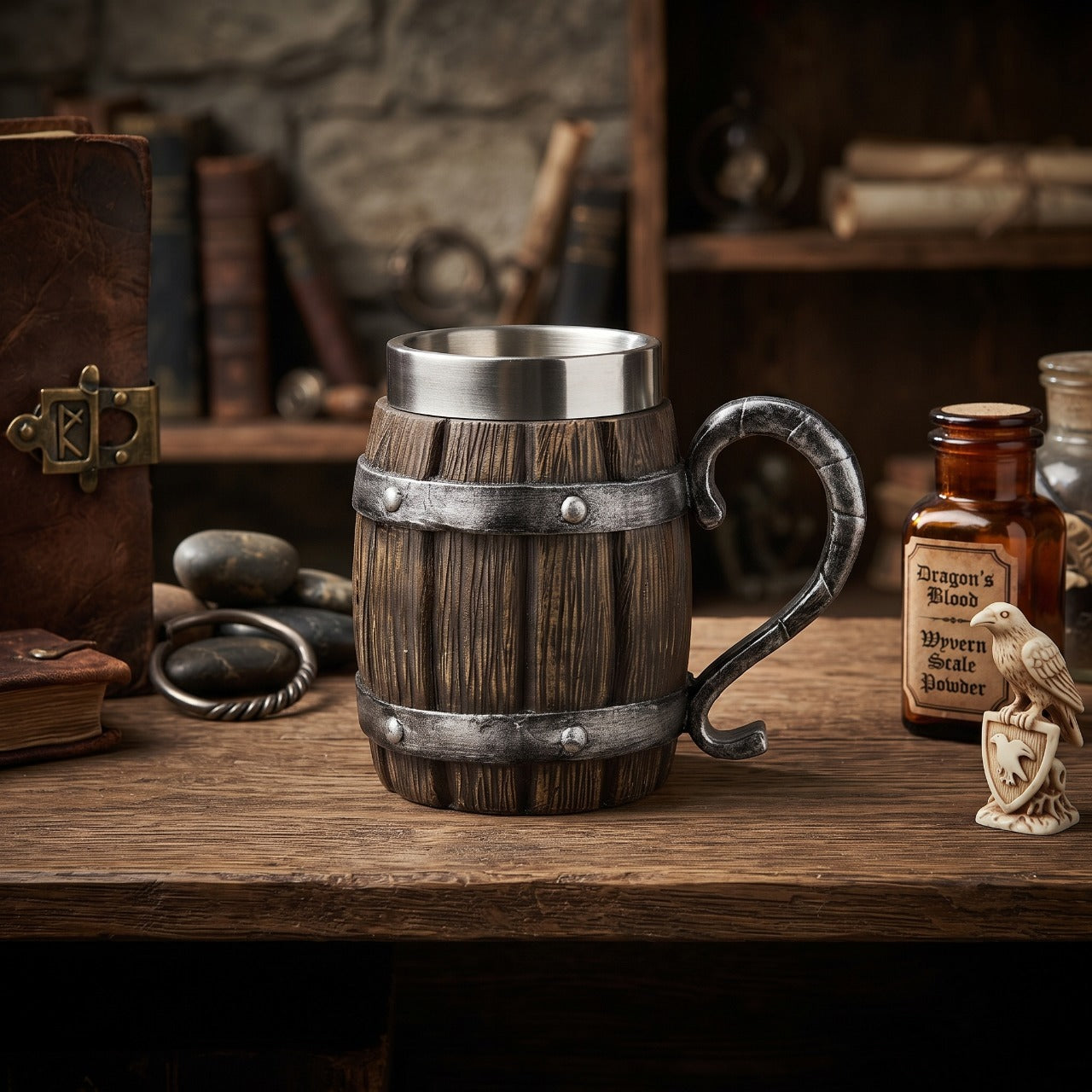
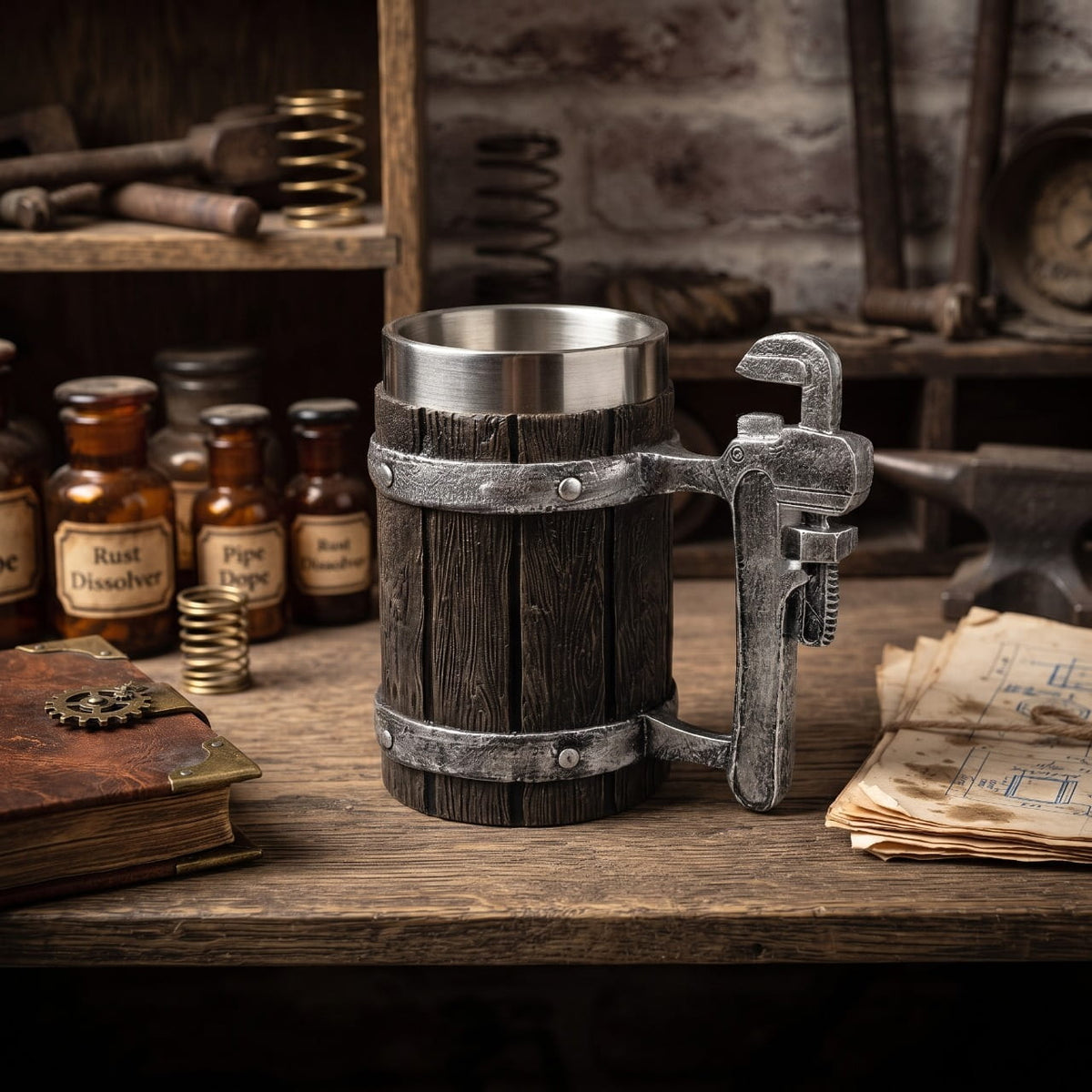
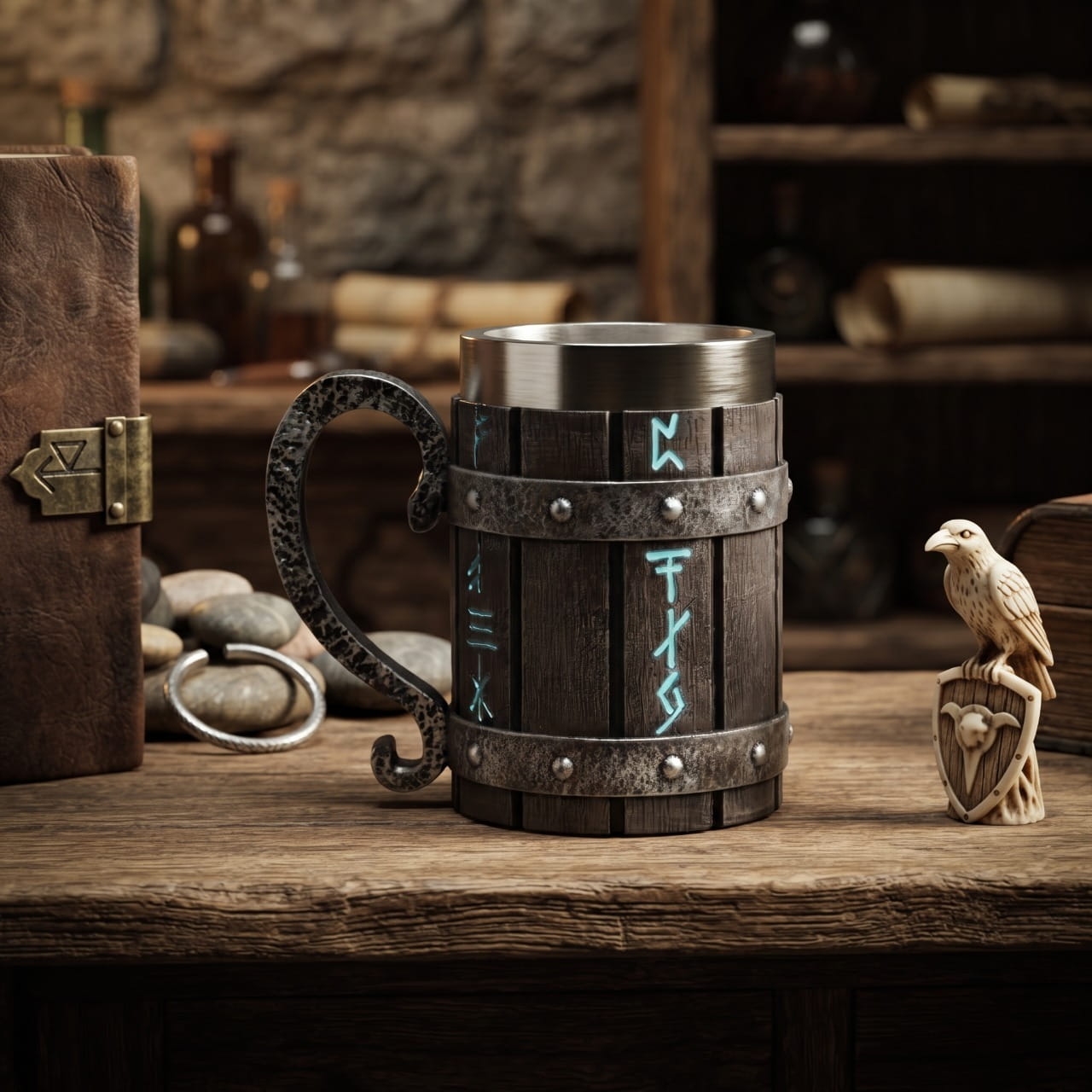
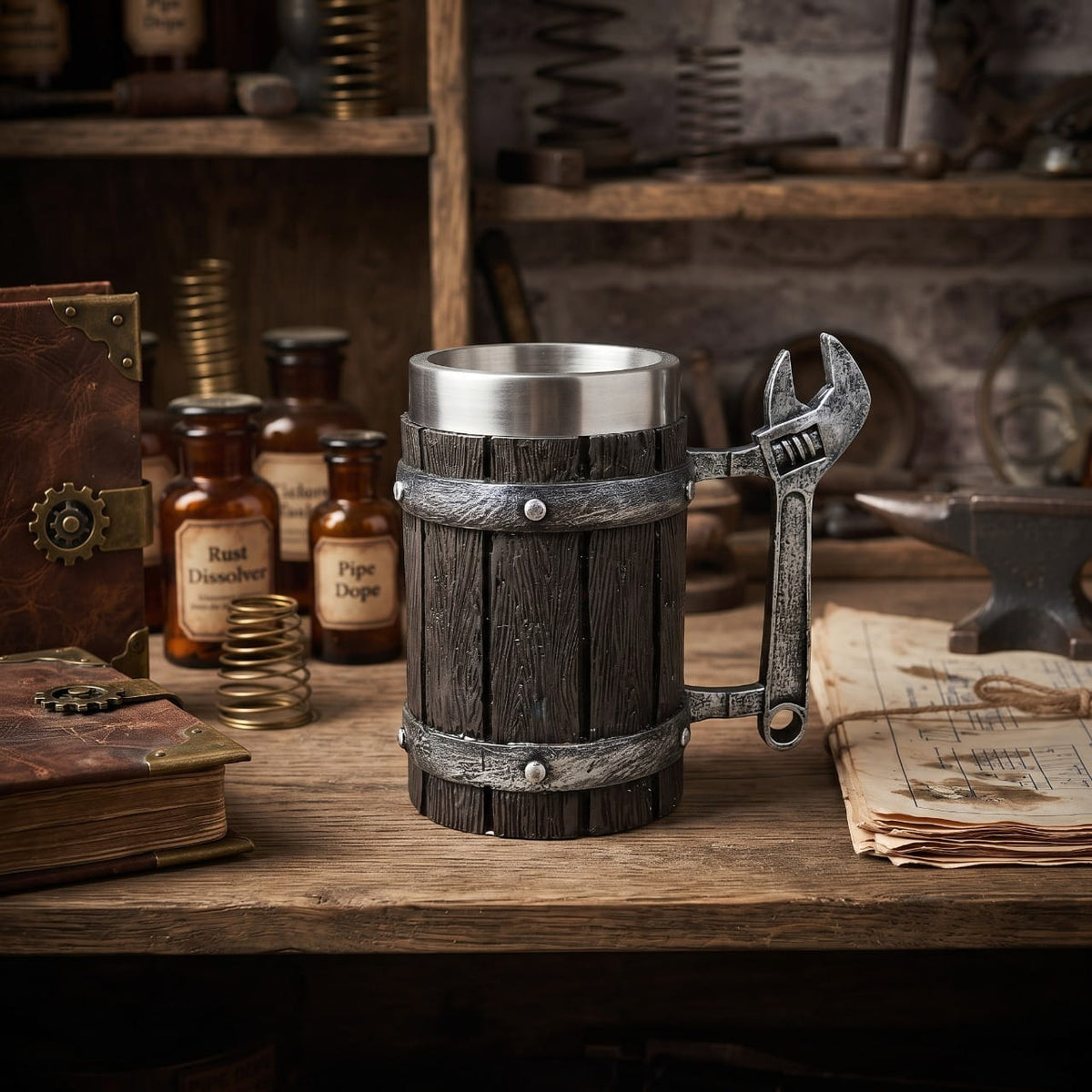
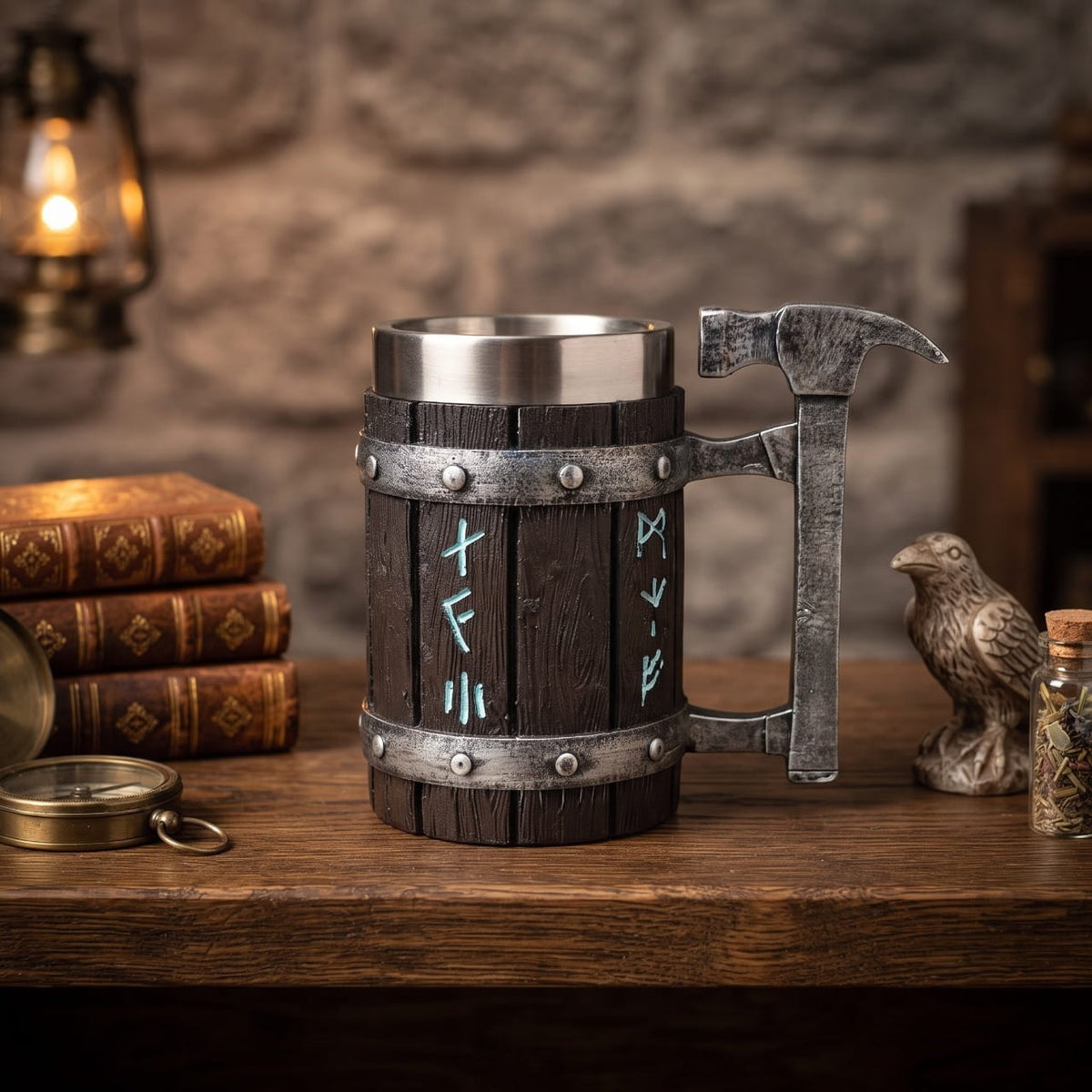
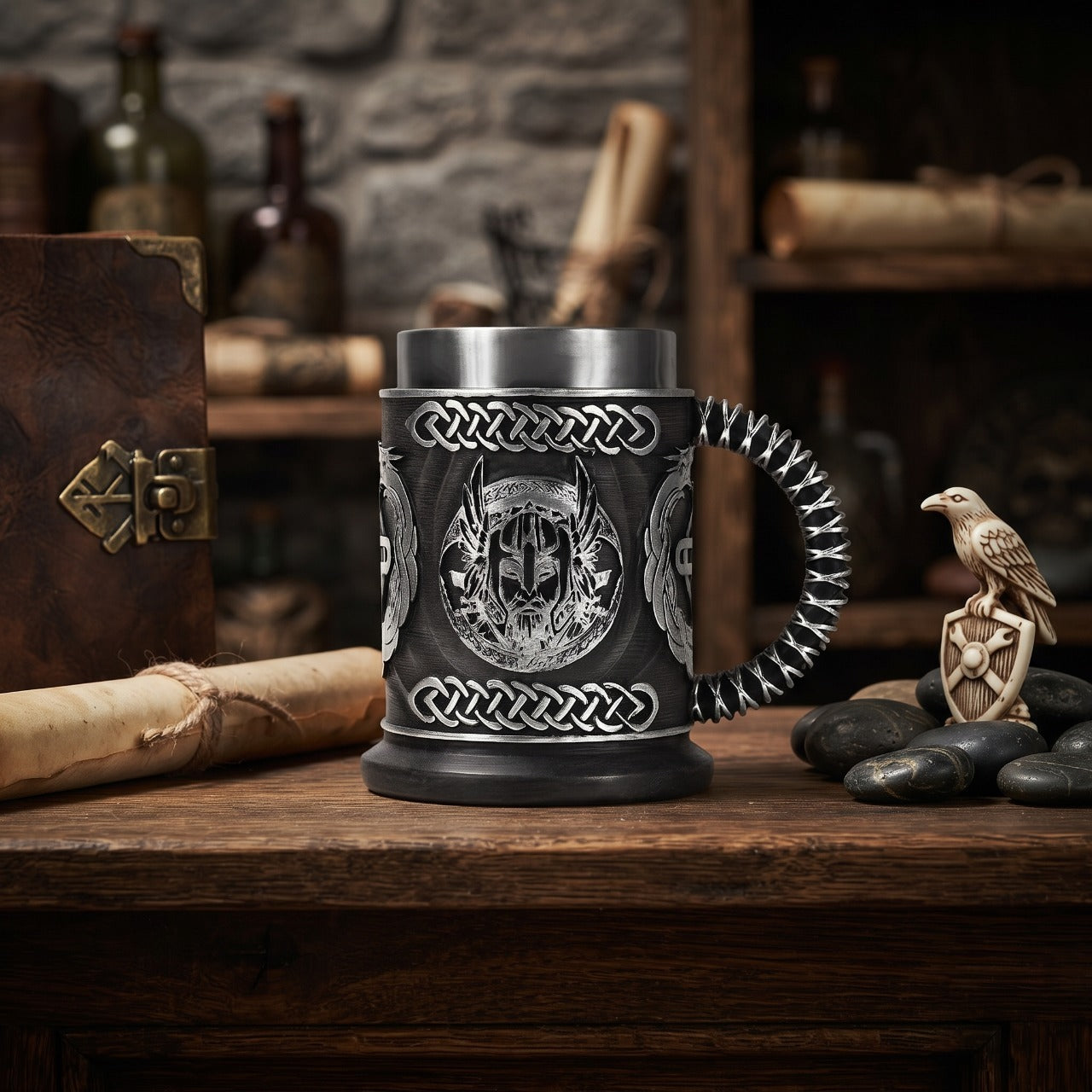
Collections similaires
Frequently Asked Questions about our Viking Mugs, Steins & Cups
What is the difference between a stein, a mug, and a Viking cup?
The Viking tankard is a large wooden vessel with a handle, ideal for beer. The Viking mug is made of stainless steel or ceramic, perfect for coffee and tea. The cup is a smaller, everyday size. All feature traditional Norse motifs.
Are wooden mugs food-safe and secure?
Yes. Each mug has a removable 304 food-grade stainless steel insert. Your drink is in contact only with the stainless steel—hygienic, tasteless, and durable. The wooden exterior is decorative and insulating.
How do I care for Viking tankards and mugs?
Hand wash only with lukewarm water and mild soap. Not dishwasher or microwave safe. Remove the stainless steel insert for deep cleaning. Dry the wood immediately. Treating with food-grade linseed oil once a year will extend the life of the wood.
Can I use a Viking tankard for hot drinks?
Yes, wood is an excellent thermal insulator. Your hot drinks (tea, hot chocolate, mulled wine) stay hot longer without burning your hands. Be careful, however, not to pour boiling liquids directly—let them cool slightly.
Did the Vikings really drink from wooden mugs?
Yes, the Vikings used wooden, horn, and clay vessels for their drinks. Norse banquets (blóts) were sacred events where mead and beer were drunk from ornate cups. Our tankards pay tribute to this thousand-year-old tradition.
Art of the Viking Banquet — en savoir plus
All of our Viking drinkware: barrel mugs, stemmed chalices, natural drinking horns, sculpted mugs, and shot glasses. All are fully functional — the interior is made of food-grade stainless steel. All that remains is to choose the right size, and that's not as simple as it seems.
Which piece for which drink
The size isn't just a matter of style: it determines what you can serve in it. Two hundred milliliters and six hundred milliliters don't make for the same evening.
| Category | Capacity | For |
|---|---|---|
| Viking Mugs | 450 to 600 ml | beer, a full bottle |
| Chalices | 200 ml | wine, mead, digestifs |
| Horns & Mugs | 380 to 700 ml | banquets, natural materials |
The most common mistake concerns chalices: their photos suggest an imposing cup, but in reality, they hold 200 ml and are 18 cm tall, essentially a generous glass of wine. Magnificent on a table, but ill-suited for a pint. If you are looking to serve a full beer, you should look toward the mugs — the 600 ml size is dominant and can swallow a 50 cl bottle while leaving room for the foam.
How these pieces are constructed
This is the point that explains both their appearance and their limitations, and no one says it clearly enough. Almost all of our mugs and chalices are double-structure pieces: an outer shell made of sculpted resin, molded and then hand-painted to replicate wood grain, dragon scales, or the contours of a skull; and an interior cup made of food-grade 304 stainless steel, the same as that used in insulated flasks. The drink never touches the resin.
This double wall provides natural insulation: your hand doesn't take on the cold of the drink, and the drink doesn't take on the warmth of your hand. It also allows for a level of detail that no solid metal could achieve at this price point.
The trade-off comes down to one rule, but it is firm: hand wash only, never use the microwave. Heat and alkaline detergents attack the resin and the seal between the two materials. A dishwasher will fade the paint in just a few cycles. A few models are the exception, made entirely of steel, and those can withstand anything.
The case of natural horns
Drinking horns follow a separate logic because they are made of real animal material — ox, buffalo, or yak. There are two consequences that are best known before ordering.
First, their capacity is stated as a range — "420 to 480 ml" — because a horn grows on an animal, and no workshop can create two identical ones without altering their nature. The color and grain vary in the same way: the horn you receive will resemble the photo without being an exact copy.
Second, the horn is keratin: above forty degrees Celsius, it softens and deforms permanently. Never use hot water, never use a dishwasher, never use hot drinks. Rinse with cold water, dry tip-down, and apply a drop of food-grade oil to the interior two or three times a year.
Frequently asked questions
Can you really drink from these pieces? Yes, all of them. The interior is made of food-grade stainless steel or polished horn treated for food contact.
Are they dishwasher safe? No, with the exception of rare, all-steel models. Resin and horn must be washed exclusively by hand.
What capacity for a 50 cl bottle? A 600 ml mug. The 500 ml size fits the bottle exactly, without room for the foam.
What is the difference between a mug and a chalice? The chalice is stemmed and holds 200 ml, for wine or mead. The mug, which has no stem, holds 450 to 600 ml, for beer.
Do these pieces keep drinks cold? Better than a glass, thanks to the resin-steel double wall, but they are not vacuum-insulated flasks. Expect them to last for the duration of a serving.
Can you serve hot drinks in them? Mulled wine in a mug or chalice, yes. Never in a natural horn, which the heat will warp.
What are the shipping times and costs? Tracked delivery is free on all orders over €49, regardless of the destination country.
Also explore: read our Viking mug and stein guide to choose between formats, discover our best sellers, our small Nordic objects — coasters go well with a mug — and our Viking decor to extend the atmosphere beyond the table.