
Filters
296 products
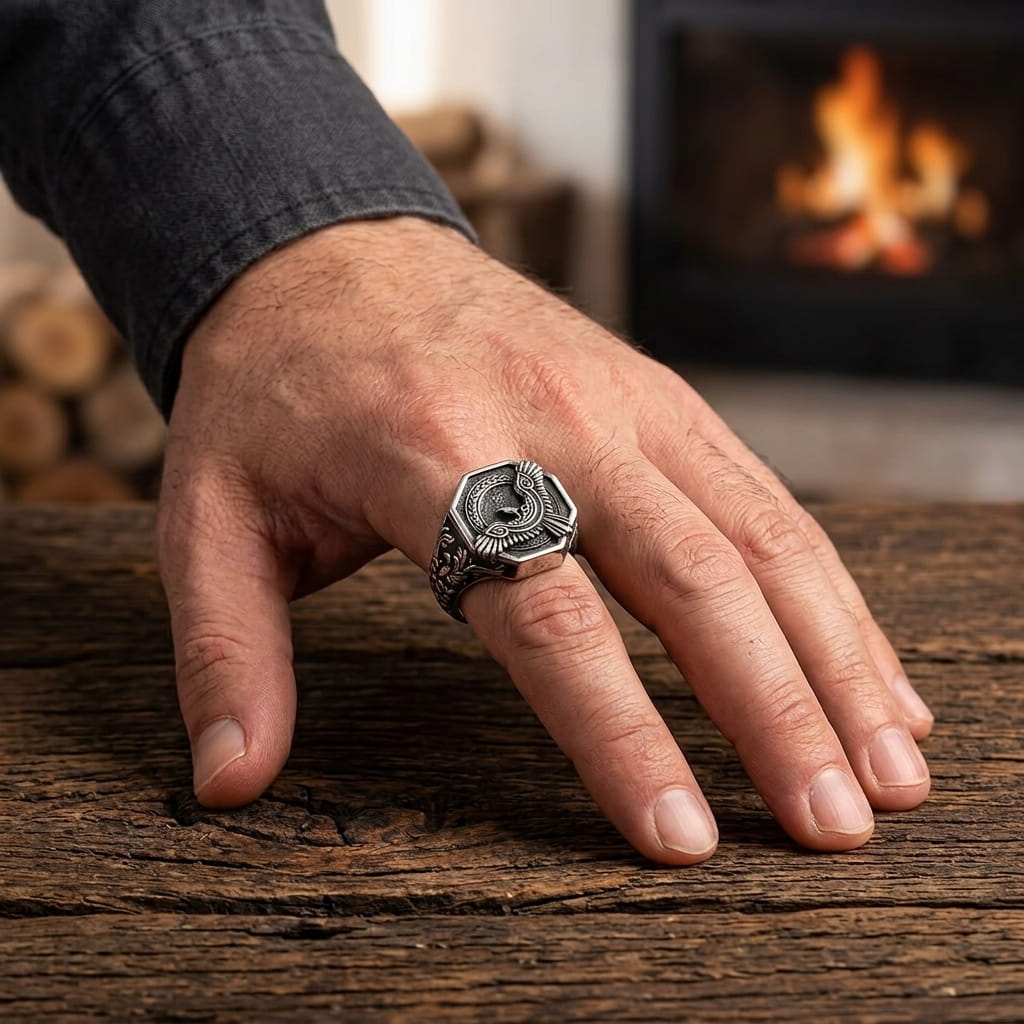

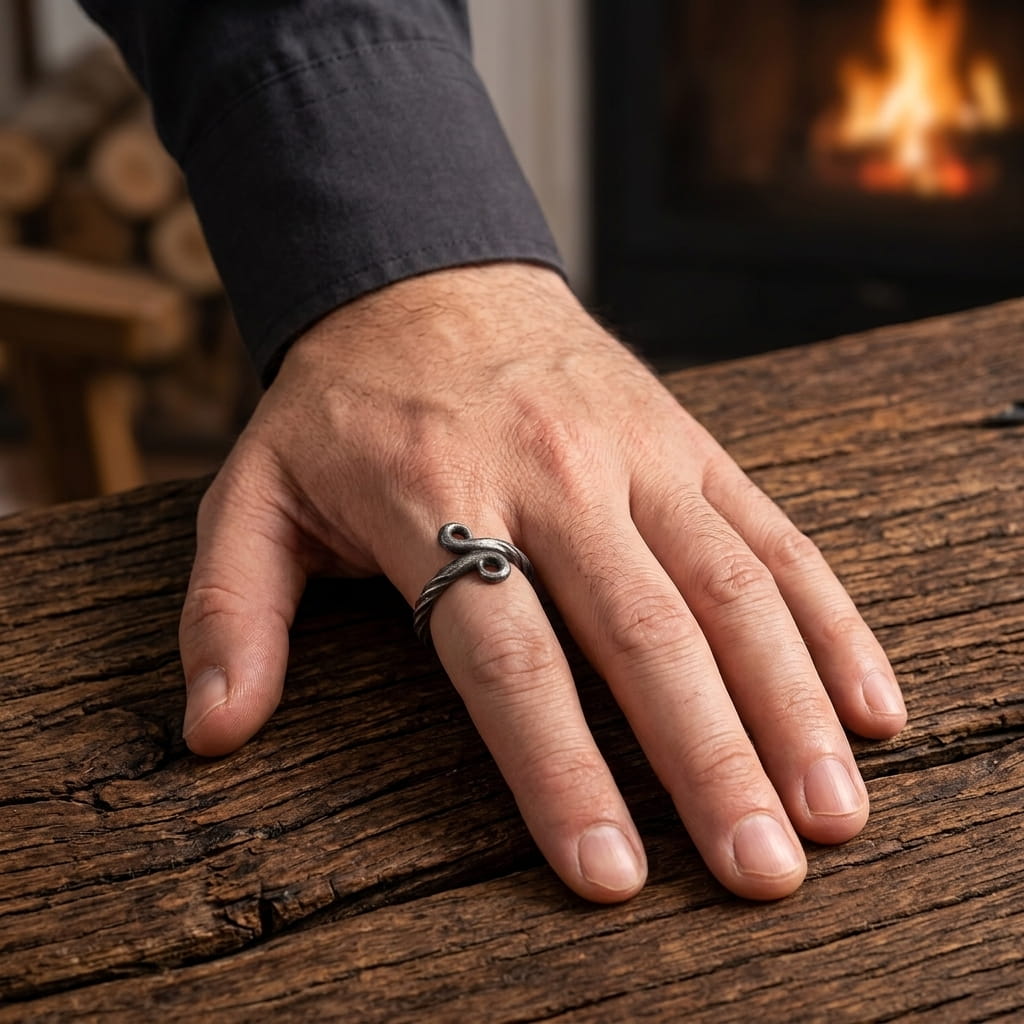
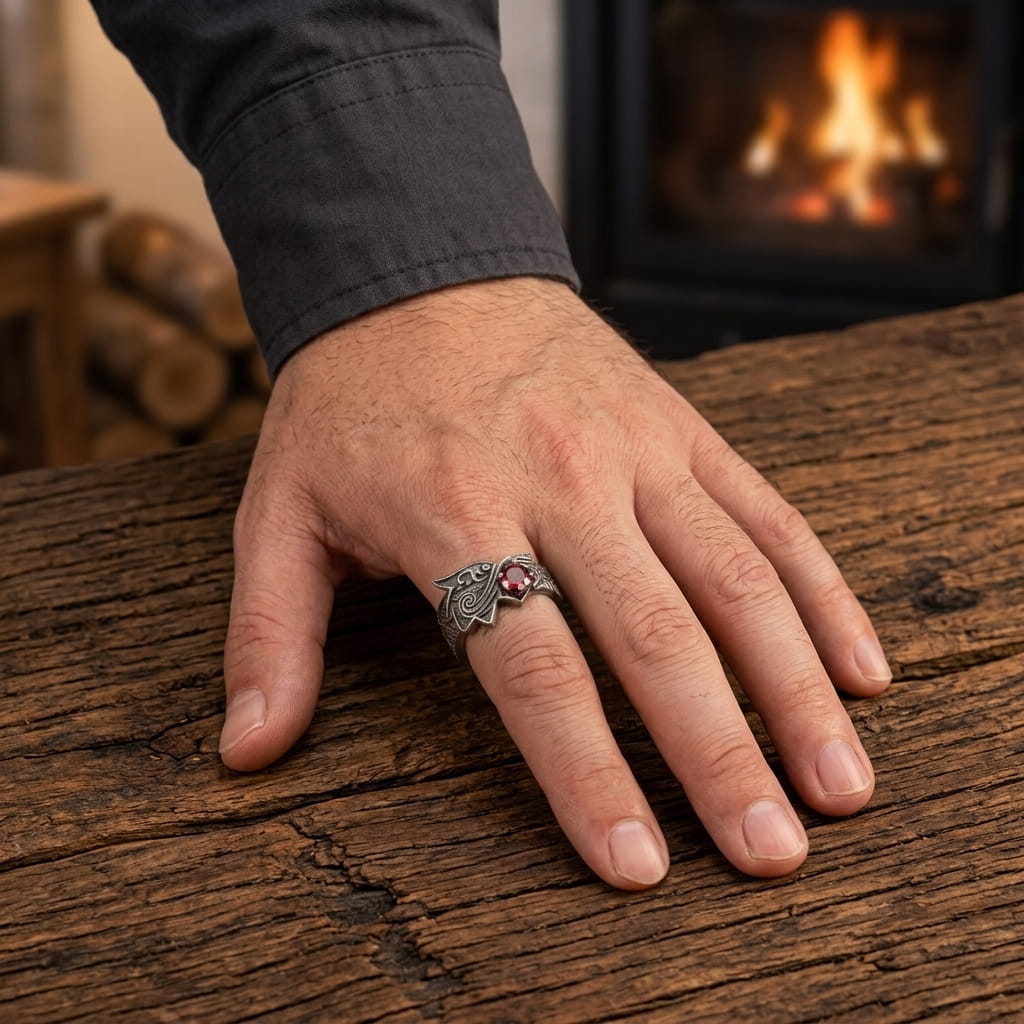
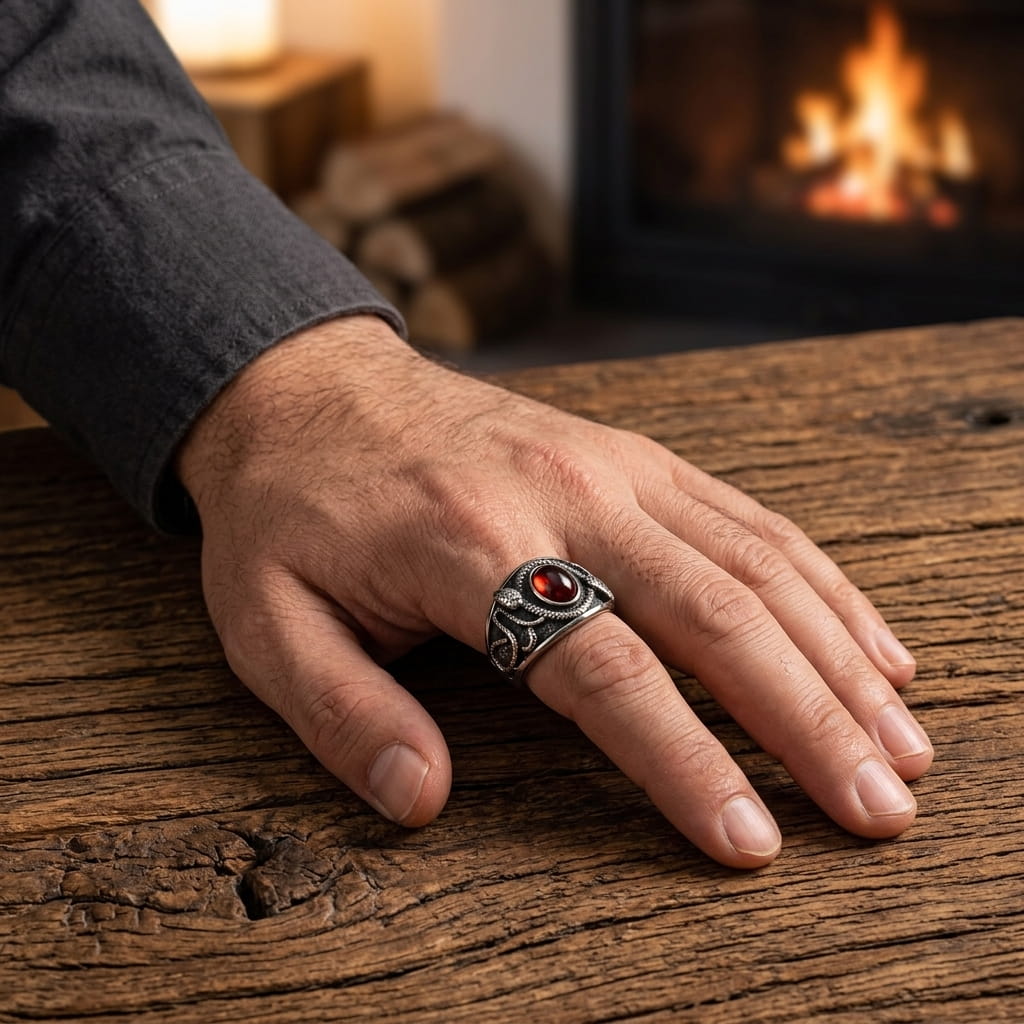
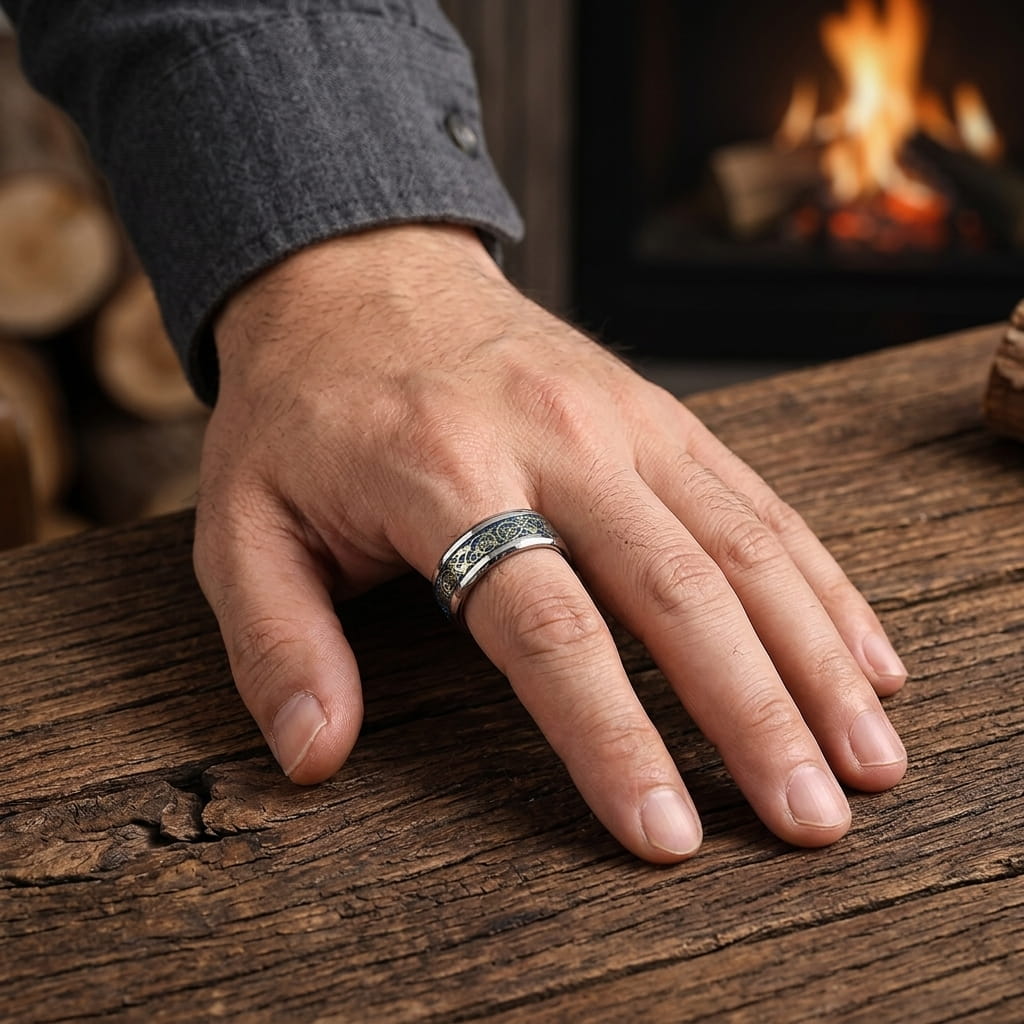
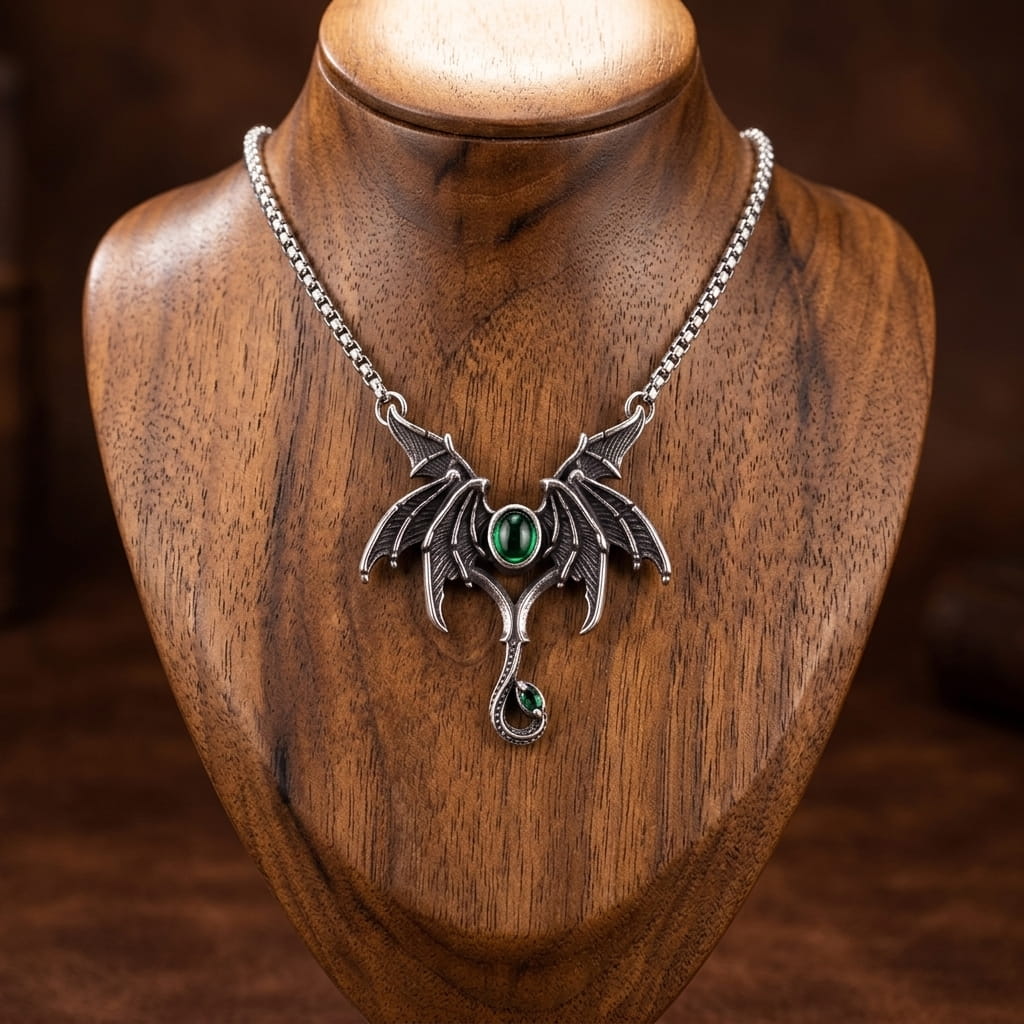
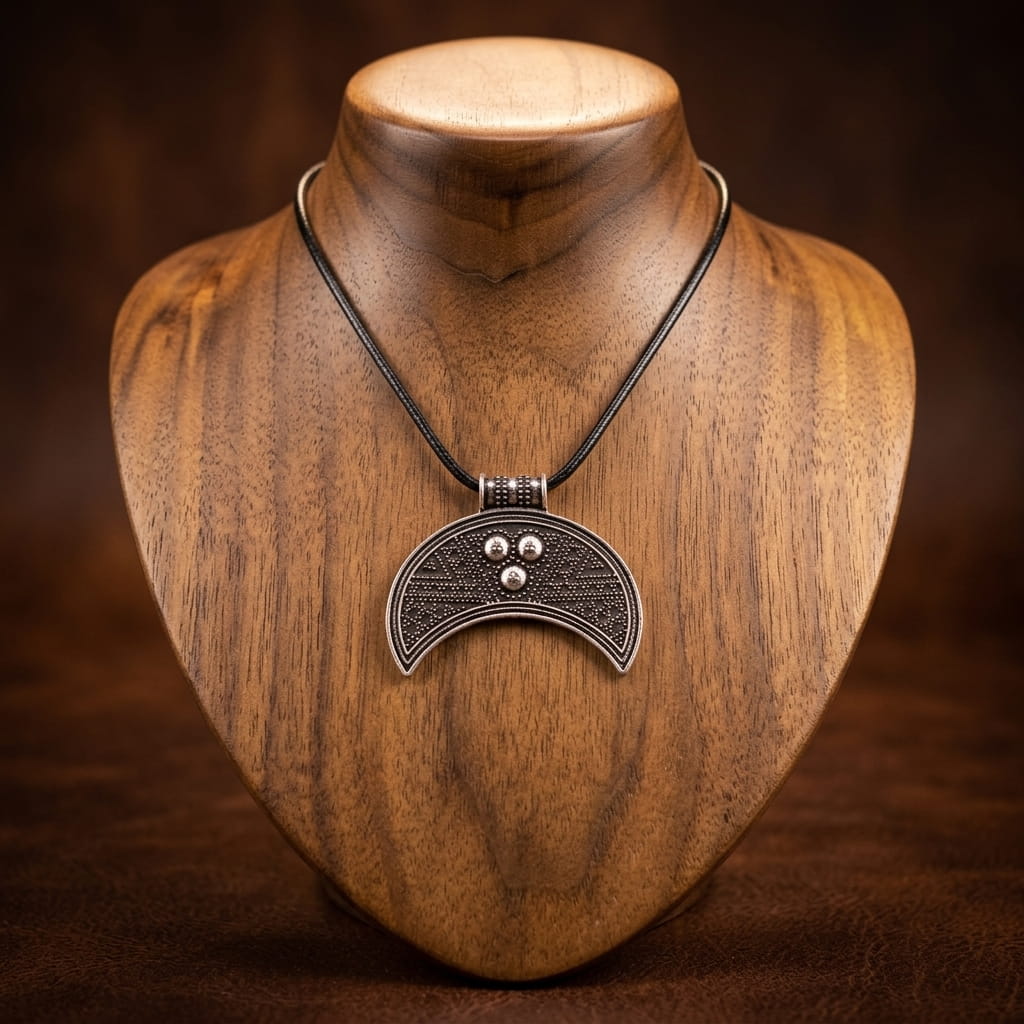
Collections similaires
Frequently Asked Questions About Our Viking Jewelry
What types of Viking jewelry do you offer?
Our Viking jewelry shop offers a complete range: rings engraved with runes and Norse symbols, bracelets (torcs, cuffs, leather), necklaces with pendants (Mjölnir, Yggdrasil, Valknut), earrings, and beard jewelry. All made of 316L stainless steel or silver.
Are your Viking jewelry pieces hypoallergenic?
Yes. The vast majority of our Nordic jewelry is made from 316L stainless steel, a hypoallergenic medical-grade material that contains no free nickel. They are suitable even for the most sensitive skin and do not cause skin reactions.
What is the meaning of Viking jewelry?
Every piece of jewelry tells a story. The Hammer of Thor protects its wearer, the Valknut binds one to the god Odin, the Vegvisir guides travelers, the Yggdrasil connects to the 9 worlds, and the Runes carry sacred messages. These symbols were worn by the Vikings for protection and good luck.
Do you ship your Viking jewelry to France and Europe?
Yes, we deliver throughout metropolitan France and Europe. Shipping is free on orders over €49. Every order comes with package tracking. Please allow 10 to 20 business days in total: 3 to 5 days for processing, followed by 7 to 15 days for delivery in metropolitan France.
Do you offer gift wrapping?
Yes. We offer a leather gift pouch for €6.90, which you can add to your order from our low-priced selection. It turns any piece of jewelry into a gift ready to be given.
How do I know which Viking jewelry suits me?
Check out our complete guide to Viking jewelry to discover the meanings and make your choice. If you are hesitating, our French customer support is available to advise you based on your style and preferences.
Viking Jewelry — en savoir plus
Viking jewelry for men and women: rings and signet rings, pendant necklaces, bracelets and bangles, earrings, watches with runic dials, beard and hair beads. Almost all of it is stainless steel, a material that doesn't rust, doesn't tarnish and can be worn every day without a second thought. This page is here to point you to the right collection — each one has its own detailed guide.
Where to start
| Collection | What you'll find | What to know first |
|---|---|---|
| Viking rings | seal signet rings, bands engraved with runes, open bands | US sizes, conversion table on the page |
| Viking necklaces | Mjölnir, Yggdrasil and Vegvísir pendants, torcs | chains from 50 to 70 cm, chain or cord included |
| Viking bracelets | bangles with wolf or raven heads, chain links, braided leather | lengths from 18 to 25 cm depending on the wrist |
| Earrings | runic hoops, symbol studs, drop earrings | sold in pairs, surgical steel posts |
| Viking watches | runic dials, wood or steel cases, pocket watches | 44 mm dial, not water-resistant |
| Beard and hair beads | the 24 runes of the Futhark sold individually, patterned beads | check the inner diameter against the thickness of the lock of hair |
The barrettes and hair jewelry round out this last collection.
Viking jewelry for men
In graves, men's adornment comes down to a few pieces, and each one has a function. The arm ring (baugr), given by a lord to his warriors, sealed a bond of loyalty; it could also be cut into pieces to pay with. The brooch fastened the cloak on the right shoulder, from the farmer's simple clasp to the jarl's great penannular brooch. Thor's hammer was worn around the neck, by men and women alike. Beard beads, on the other hand, are a modern practice.
In our collections, the pieces closest to this adornment are the bangles, heirs of the arm ring, the penannular brooches for fastening a cape and the Mjölnir pendant necklaces. Added to these are more modern formats: signet rings, braided leather bracelets, watches.
Viking jewelry for women
Women's adornment is the best known of the Viking Age, because it can be read in the graves. Two oval brooches, worn as a pair, one at each shoulder, held the straps of the apron dress: an arrangement so consistent that it is used today to identify a female burial. Between them hung ornamental chains, and bead necklaces of glass, amber or carnelian are the other classic marker of these graves.
Our oval brooches take up their shape. For everyday jewelry: earrings in hoops, studs or no-piercing ear cuffs, barrettes and hair sticks to hold a braid, bracelets in 19 cm and rings, most of which are available from US 7 (size 54).
The question of size, collection by collection
It is the leading cause of disappointment on delivery, and it takes three minutes to sort out with a piece of string and a ruler. Each collection has its own way of measuring, and each is explained in detail on its page.
For a ring, our sizes are US sizes, from 5 to 13. A US size 8 corresponds to a French size 57, i.e., an inner diameter of 18.1 millimeters; the full table of the nine conversions is on the rings page. A wide signet ring is generally worn half a size up from a thin band, because the band is thicker and slips over the knuckle less easily.
For a necklace, the length determines where the pendant falls: 50 cm on the collarbone, 60 cm at the top of the sternum — the all-purpose length —, 70 cm at the solar plexus. A heavy pendant always falls a little lower than the theoretical measurement.
For a bracelet, add one and a half to two centimeters to your wrist measurement: 19 cm is the length most requested by women, 21 cm by men. An open bangle can be adjusted slightly by hand; a closed chain cannot be adjusted.
For a watch, the 44 mm dial is a large format, decidedly imposing on a wrist under 16 cm around.
For a beard bead, the inner diameter is what matters: a thin lock goes through 5 mm, a thick braid needs 8 to 10 mm.
In every case, measure at the end of the day, when your extremities are slightly swollen, and never in cold weather.
The materials, and what they mean for you
The vast majority of our jewelry is made of stainless steel, often in the 316L grade known as surgical grade: hypoallergenic, with no free nickel, it doesn't turn your skin green, isn't bothered by water or sweat, and suits sensitive skin. It is the safest and least demanding material in the catalog.
Several pieces combine this steel with gold plating, which needs more care: plating wears with friction and doesn't hold up well to perfume, swimming pools and household cleaners — take the pieces off before showering.
Leather, found on some of the bracelets and a few necklace cords, must not be soaked: it stiffens and cracks. The wood of the watches is light and takes on the temperature of the skin, but immersion makes it swell and then split, irreversibly.
That leaves a few pieces in titanium, patinated bronze or alloy. Bronze tarnishes over time — that is its charm, not a flaw — and alloys don't offer the hypoallergenic guarantee of steel: if your skin reacts easily, check the material listed on the product page.
The symbols, one by one
For the Scandinavians, a ring was not just an ornament: it was an oath sworn, a protection sought, a bond with the gods. Here are the motifs best represented in our collections, and what the sources really allow us to say about them — we distinguish what is archaeologically attested from what belongs to a later tradition.
Mjölnir, Thor's hammer
It is the best attested symbol of all. Hammer-shaped amulets have been found by the hundreds in Scandinavian graves of the 9th and 10th centuries, in silver, bronze and iron. Worn around the neck, short and stocky, handle pointing up. A Viking who wore a Mjölnir was declaring an allegiance; it is probably the closest Norse equivalent of a religious sign.
The runes of the Elder Futhark
Twenty-four signs, an alphabet before being a repertoire of symbols. Engraved on our rings, beads and pendants, they keep their angular look, born from the fact that they were cut with a knife into wood and stone: hence the almost total absence of horizontal strokes, which would have followed the grain. Our rune converter transcribes a name letter by letter, and the Elder Futhark guide goes through the twenty-four signs in detail.
Yggdrasil, the world tree
The tree whose roots and branches connect the nine realms, described in the Poetic Edda as well as in Snorri's Edda. The circular design it is given on jewelry today is a modern interpretation — the sources describe it, they don't draw it. It is the symbol you choose for the idea of connection and continuity rather than for war.
The Valknut
Three interlocking triangles, carved on Gotland stones and on the Oseberg ship, associated with Odin and with those who fell in battle. Its exact meaning has not been established: archaeologists observe it, they don't explain it. We offer it for what it is, an attested motif whose meaning is debated.
The Vegvísir
The eight-armed compass, the one that “shows the way” and keeps you from getting lost in a storm. It is popular and graphically superb, but honesty requires us to say it: it appears in a 19th-century Icelandic grimoire, the Huld, and not in the Viking Age. It is a late Icelandic symbol, not a Viking symbol. Our article on the Vegvísir details what is known about it.
The ravens Huginn and Muninn
Thought and Memory, Odin's two birds that fly over the world every day and bring back to him what they have seen. The motif of two facing ravens is common on our bracelets and necklaces; it also appears on Viking Age brooches and plaques.
The Triquetra and knotwork
The three-pointed knot drawn in a single stroke belongs to the Insular and Christian repertoire as much as to the Norse one — it is found on Irish monuments and on Scandinavian runestones from the period of Christianization. We class it with knotwork, which is very present in Scandinavian art of the Borre and Jelling styles.
To choose with full knowledge rather than on looks alone, read our guide to the 17 Viking symbols and our complete guide to Viking jewelry.
Wearing several pieces together
The most useful rule fits in one sentence: stick to a single metal family. Steel with steel, gold with gold. Pairing a raw steel bangle with a gold-plated signet ring rarely works, and the friction between the two wears the plating faster.
Next, one piece leads. If the necklace has a large pendant, the rings stay slim; if the signet ring is massive, the necklace stays discreet. The Scandinavians themselves readily layered bracelets and brooches, but their adornments always placed one prestige piece — a silver bangle, a torc — above the rest.
Finally, beard and hair count as a spot in their own right: one or two beads are enough to hold a braid; beyond that, the effect starts to look like a costume.
Giving Viking jewelry as a gift
Three pieces rarely miss their mark. The pendant requires no measurement: it is the safest gift when you know neither the finger size nor the wrist measurement. The open bangle adjusts by hand and forgives a one-centimeter difference. The beard or hair bead suits anyone who wears a braid, and slips into an envelope.
A ring, on the other hand, is chosen with the size in hand — or ordered in the size of a ring the person already wears, measured on a ruler in three minutes.
Care
For steel: a soft cloth, lukewarm soapy water, careful drying, and the shine comes back in a few seconds. For gold plating: remove before showering and sports, store away from moisture. For leather: never soak, wipe clean, let dry flat away from radiators. For wood: dry cloth only, no furniture polish. None of our jewelry needs professional polishing.
Store your pieces separately rather than all together: it is contact between them that scratches polished steel and wears plating, far more than daily wear.
Frequently asked questions
Is this jewelry for men or for women? Both. No motif is gendered. It is the dimensions that guide the choice: fine pieces and small sizes are more often chosen by women, signet rings and long lengths by men.
Is stainless steel suitable for sensitive skin? Yes, 316L steel is hypoallergenic and has no free nickel. The few pieces in alloy or other metals do not come with that guarantee.
Can I keep my jewelry on in the shower? No problem for stainless steel. Best avoided for gold plating, leather and wood.
How can I find my size without any tools? A strip of paper around the finger, wrist or neck, a pen mark where it overlaps, then measure it on a ruler. It is as accurate as a tailor's tape measure.
Do the pendants come with chains? Yes, all our necklaces are delivered assembled, chain or cord included. You never buy a pendant on its own.
Are these pieces archaeological replicas? No, and we don't claim they are. They are Norse-inspired pieces, designed to be worn today. The motifs draw on real symbols; the manufacturing is contemporary.
Is custom engraving possible? No. The engravings are those of the design: runes, symbols, knotwork. We do not offer personalization.
What are the delivery times and shipping costs? Tracked shipping is free on orders from 49 €, whatever the destination country.