
Filters
16 products
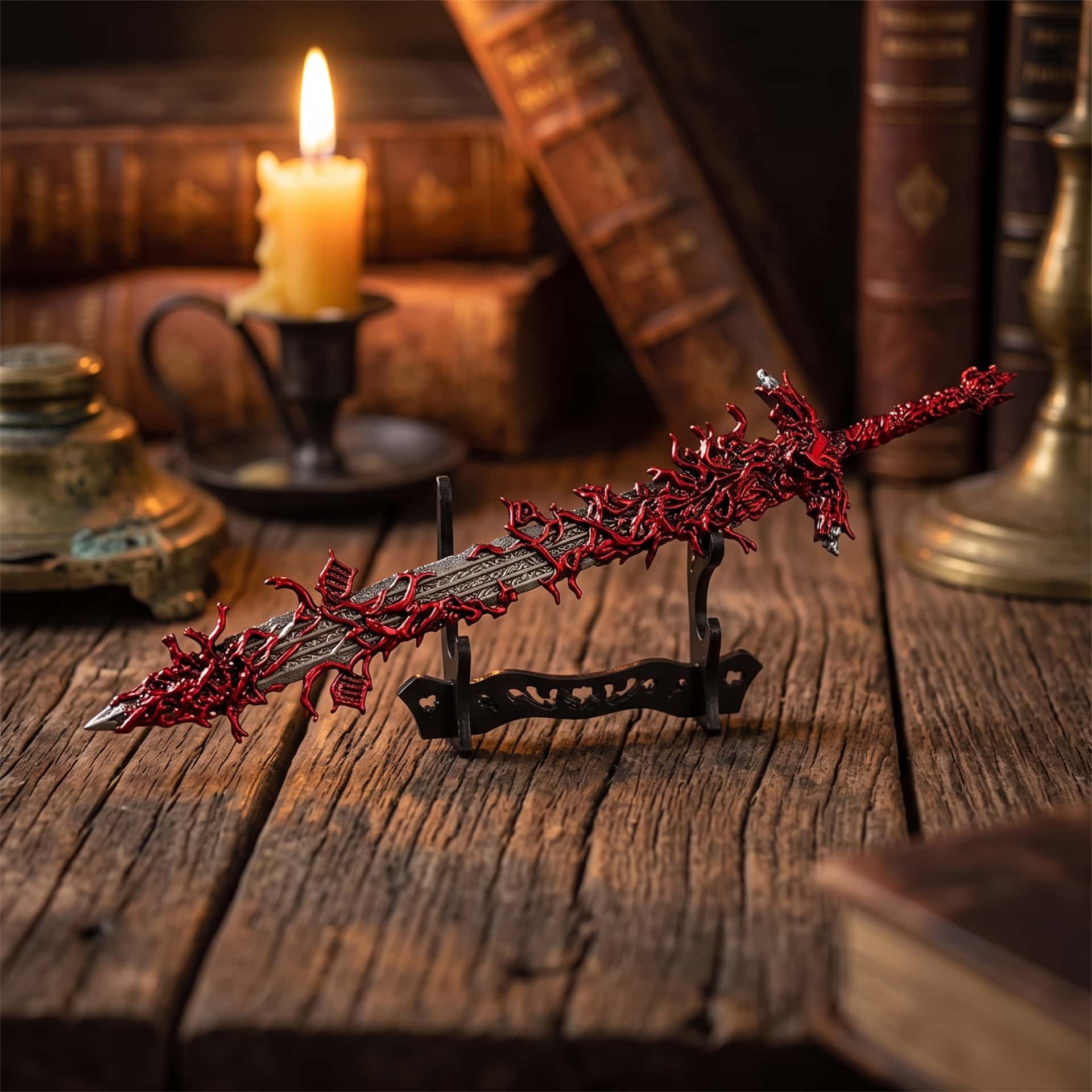
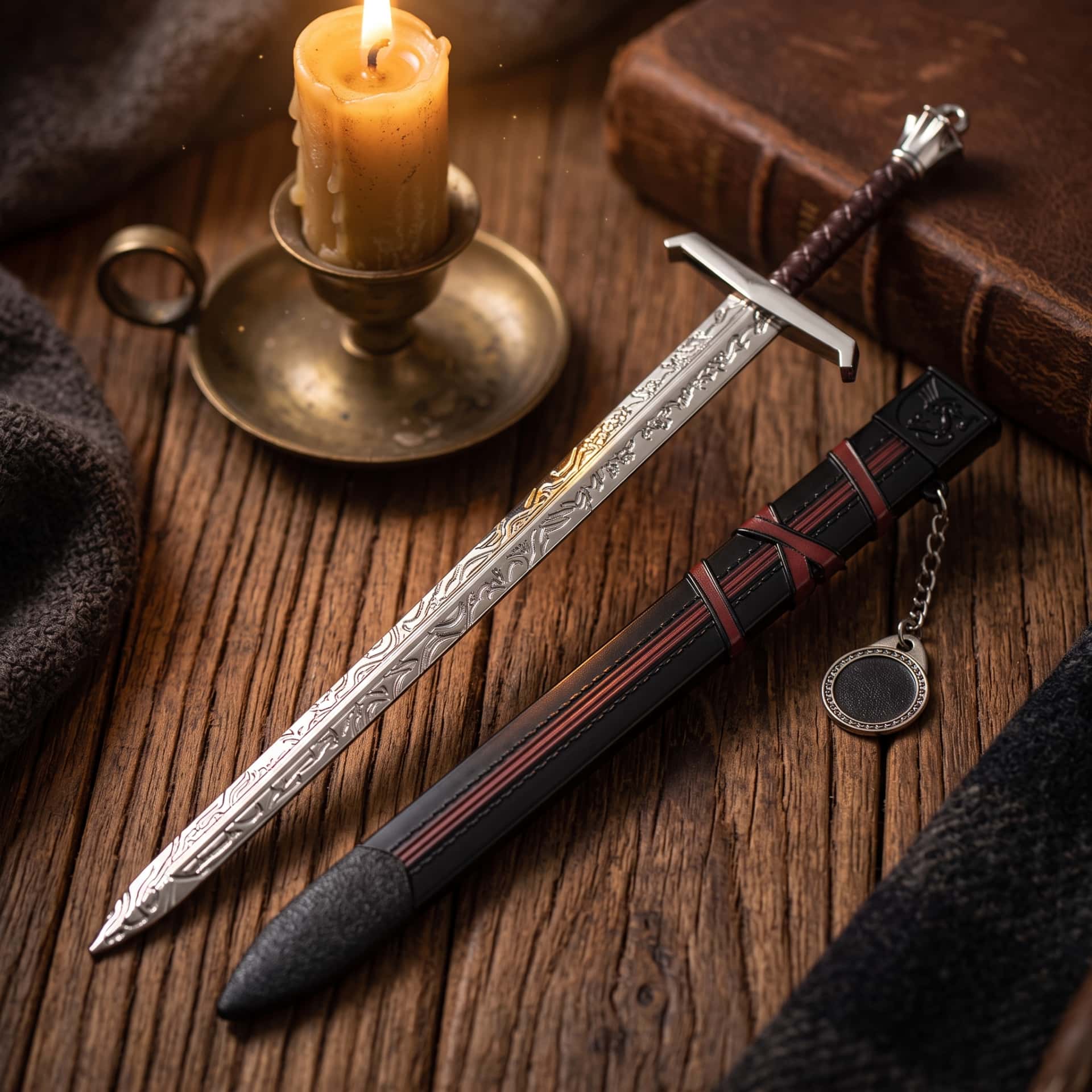
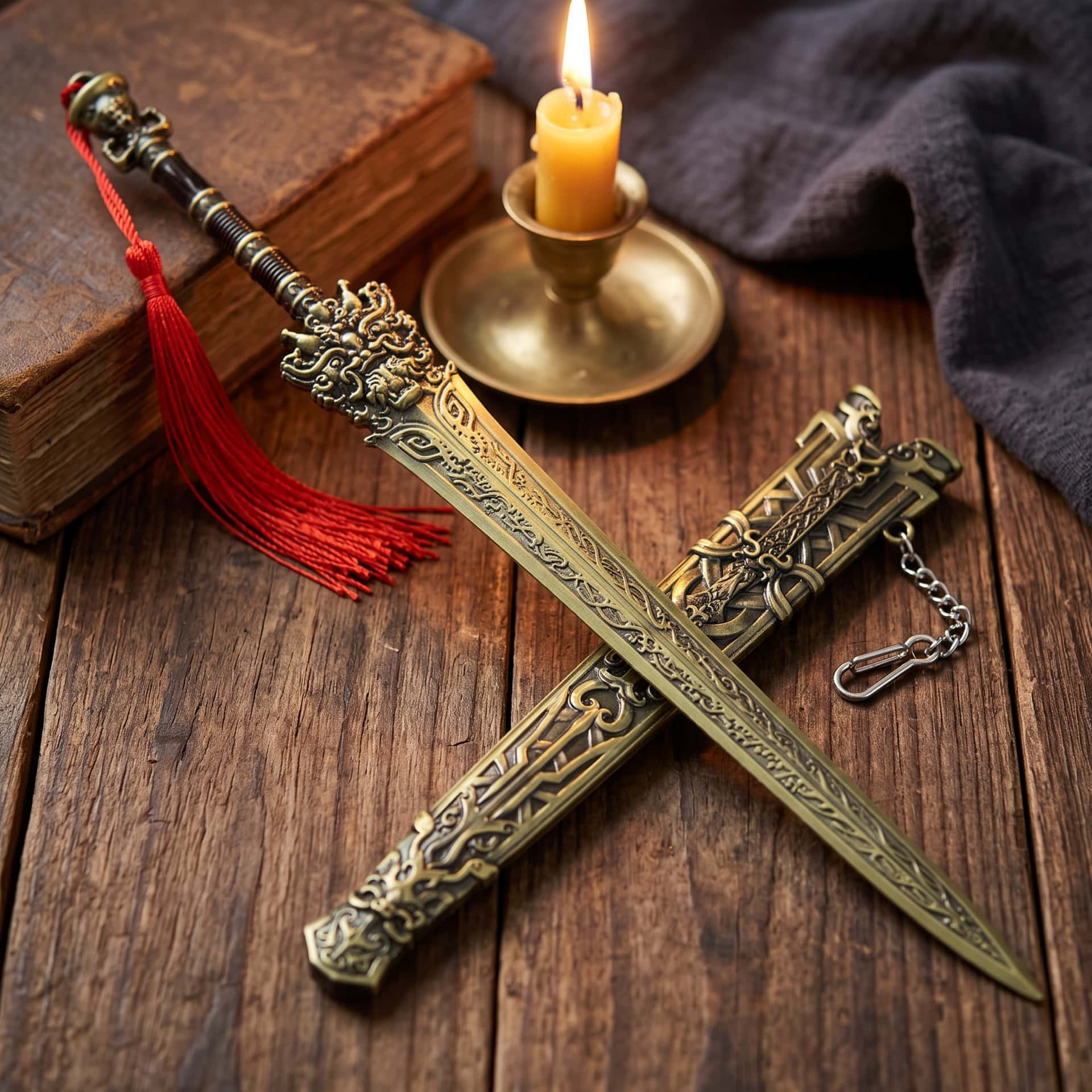
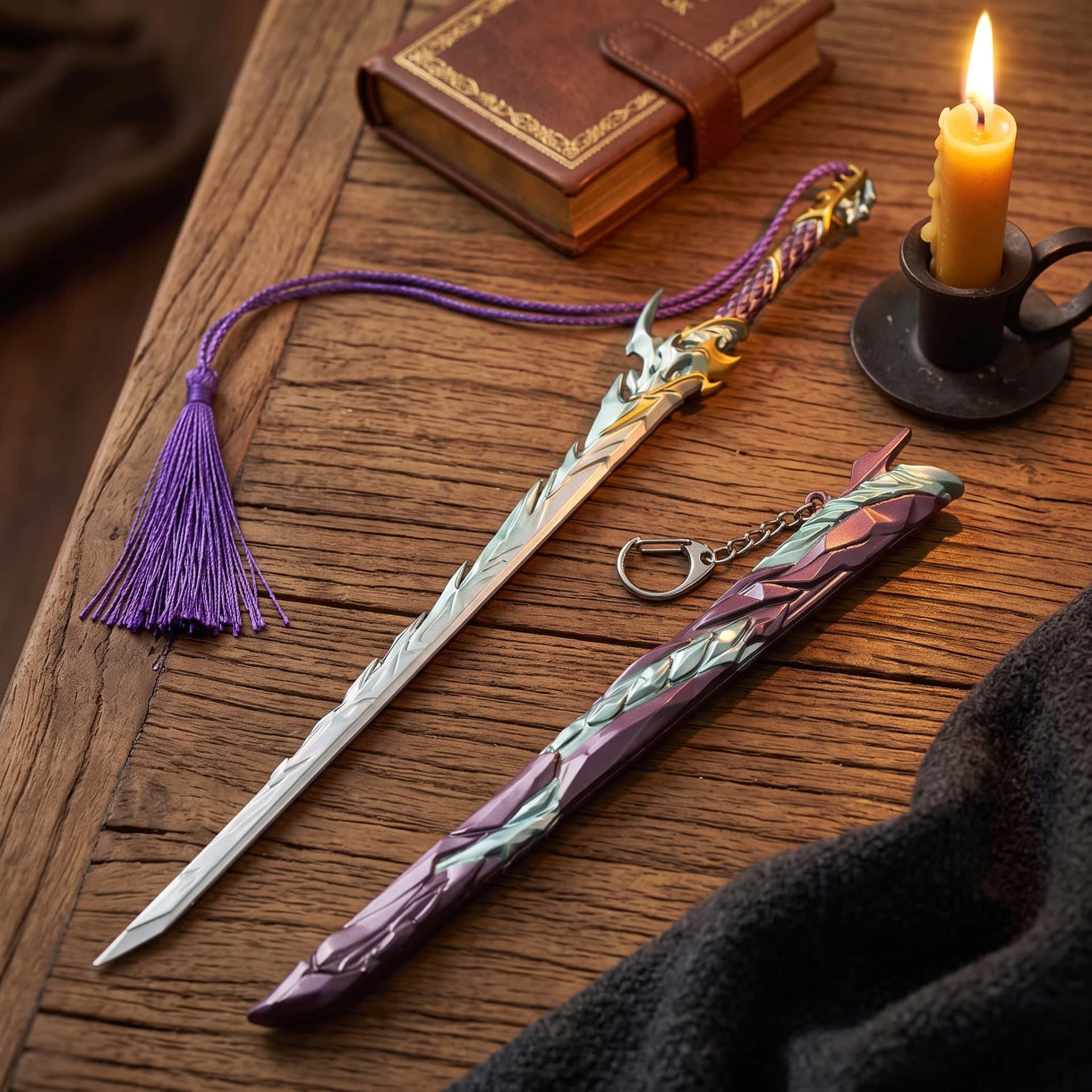
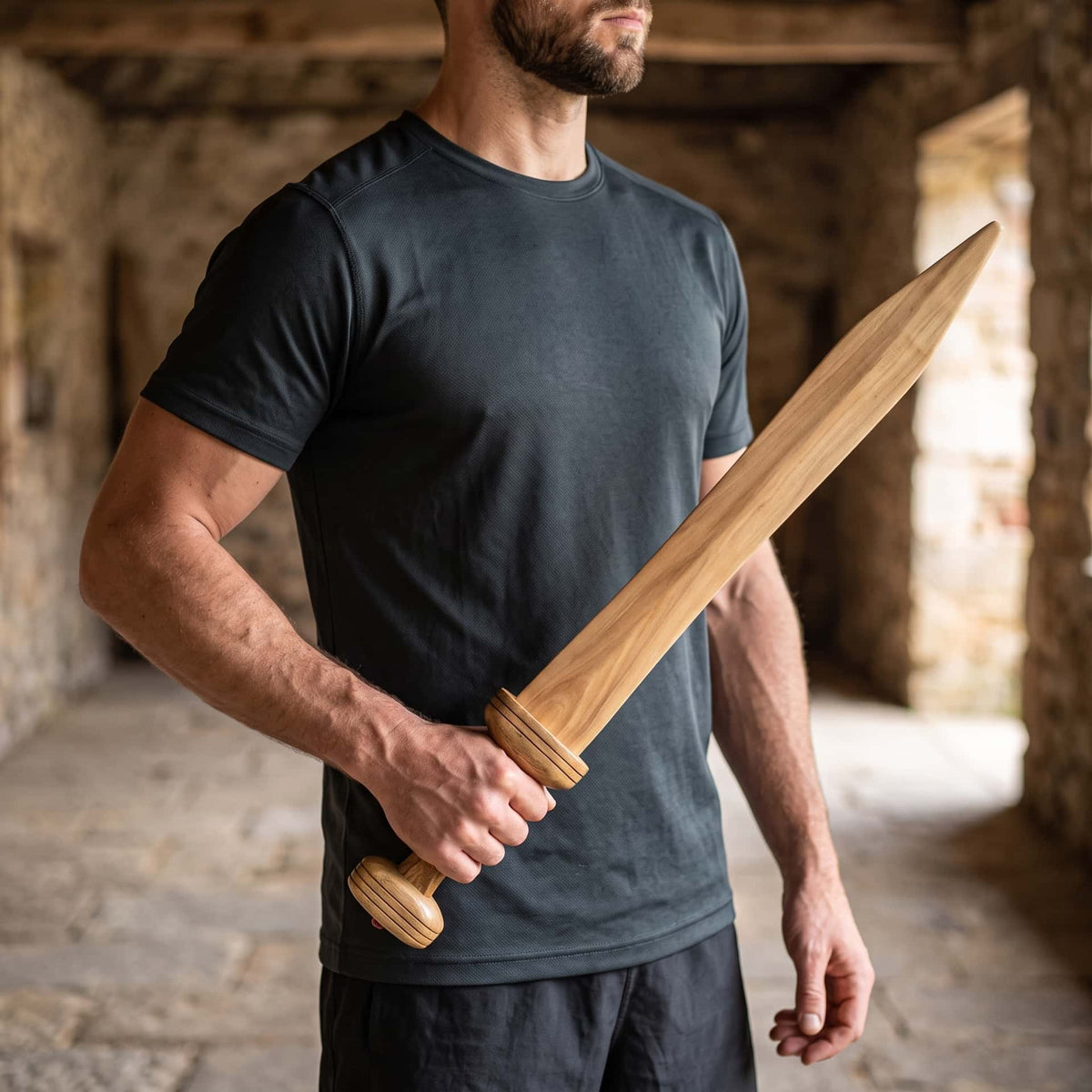
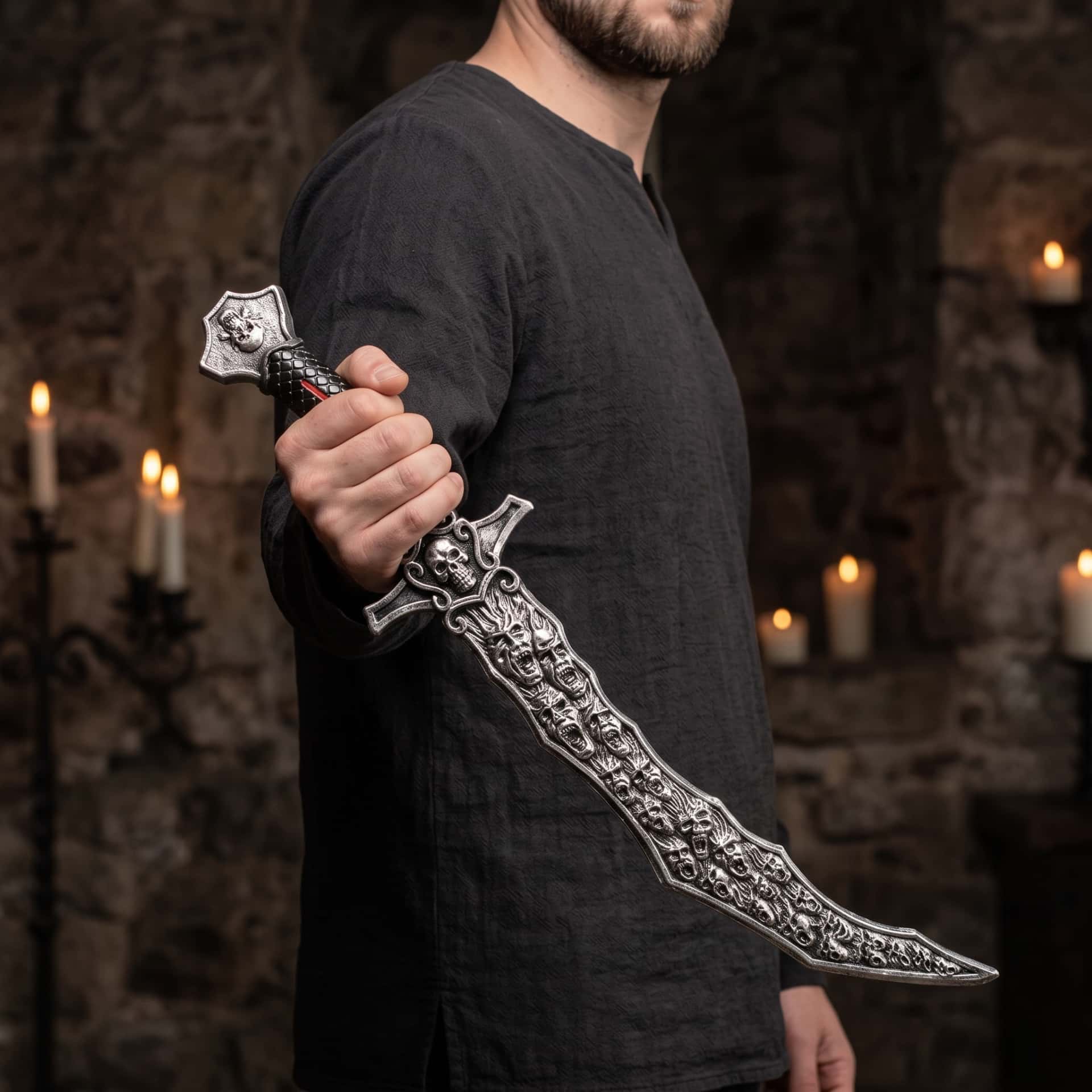
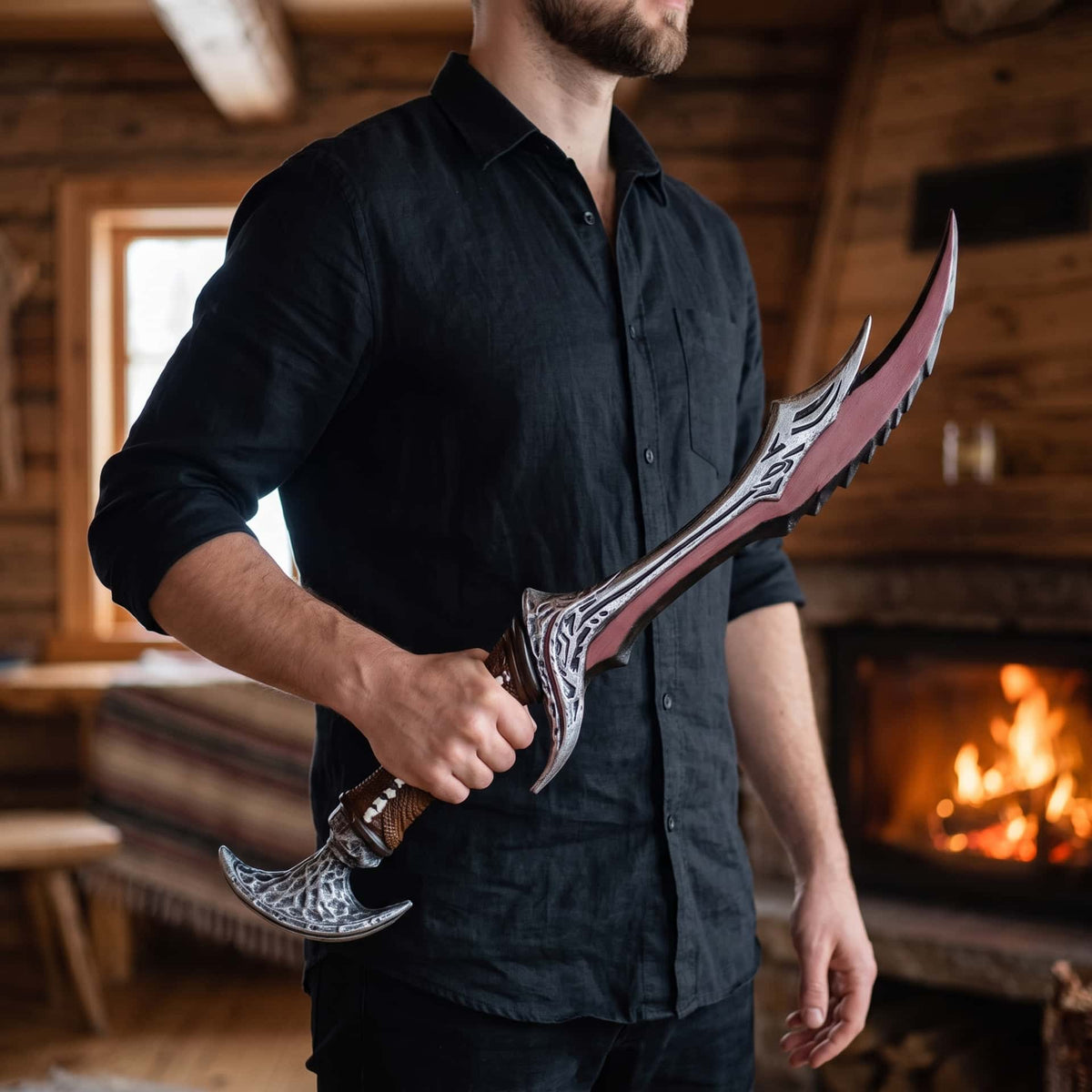
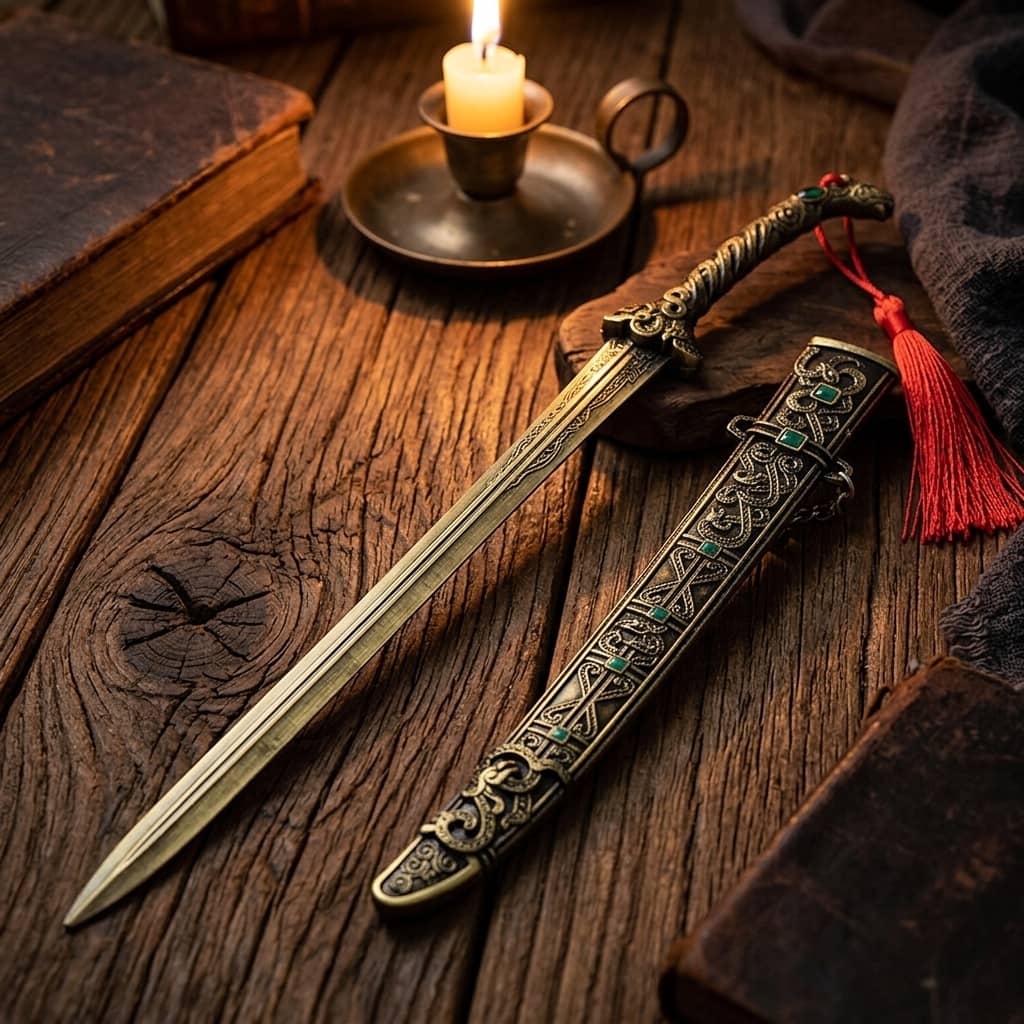
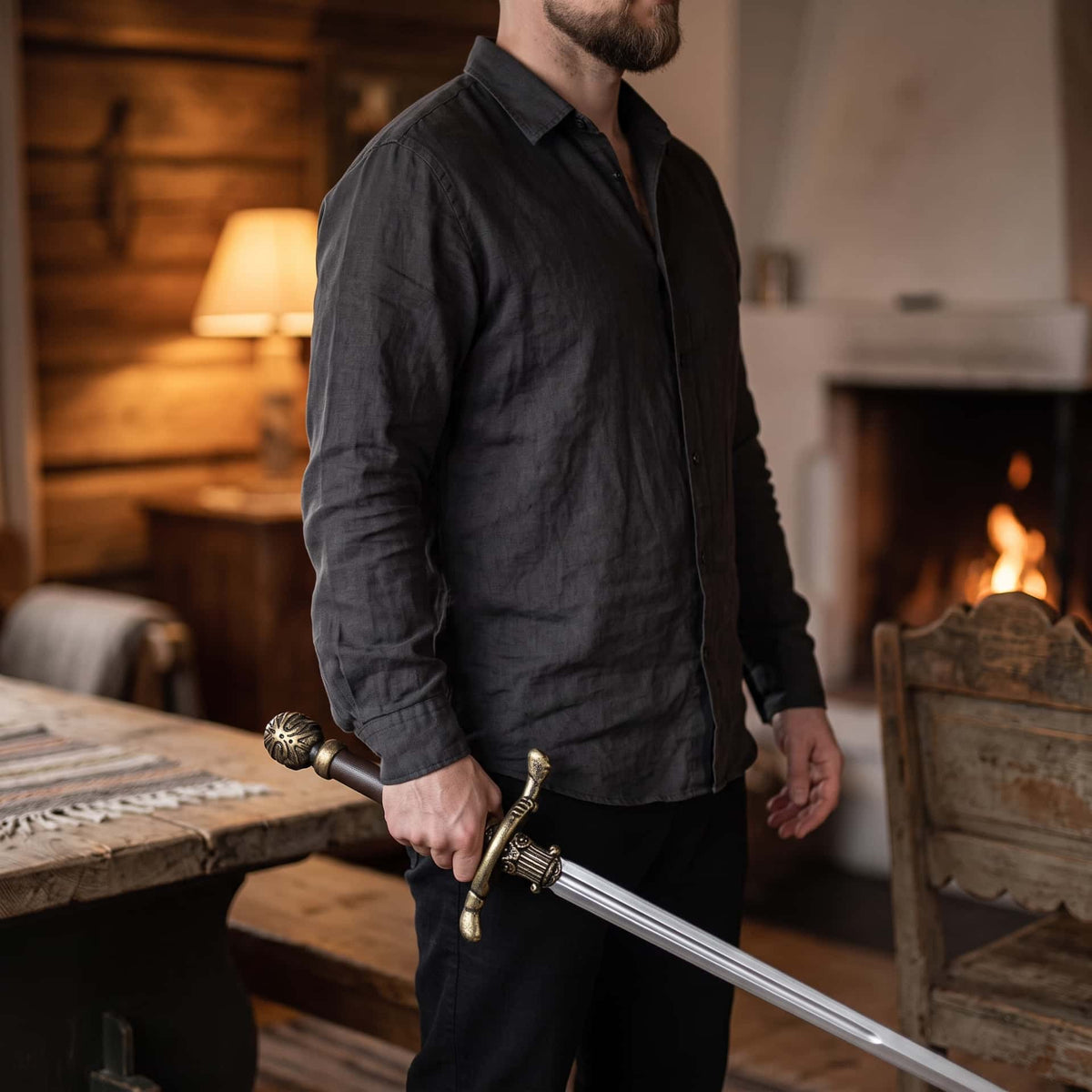
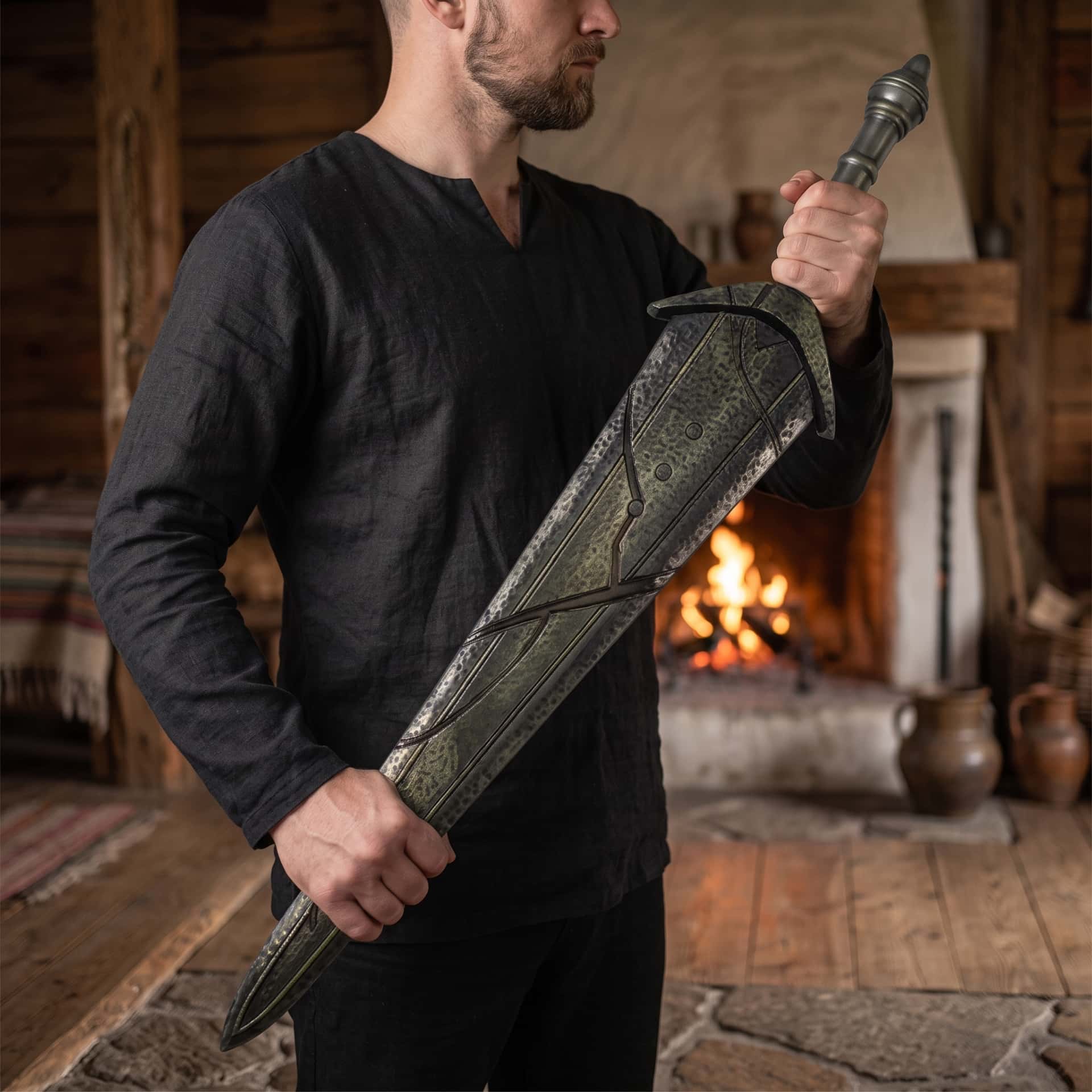
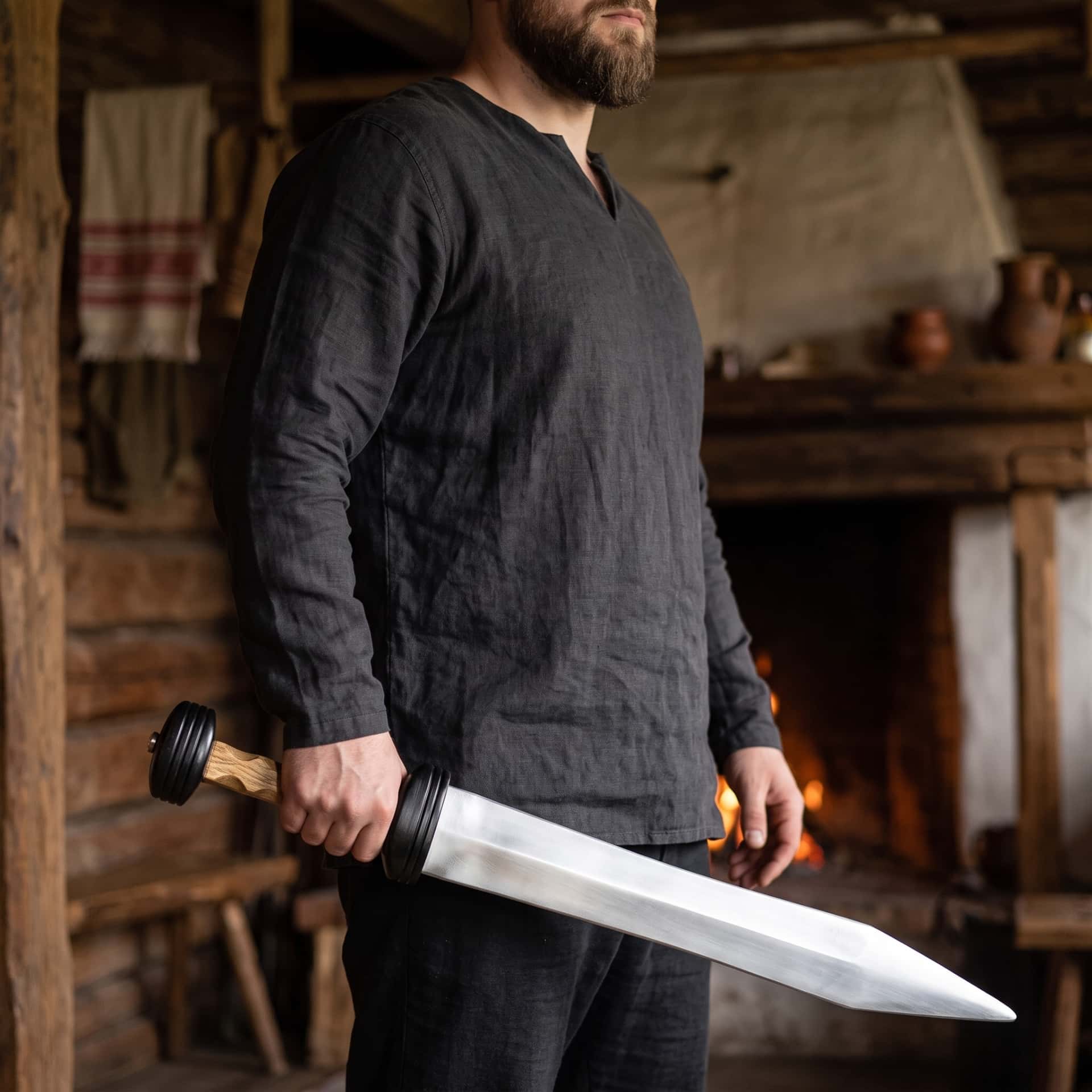
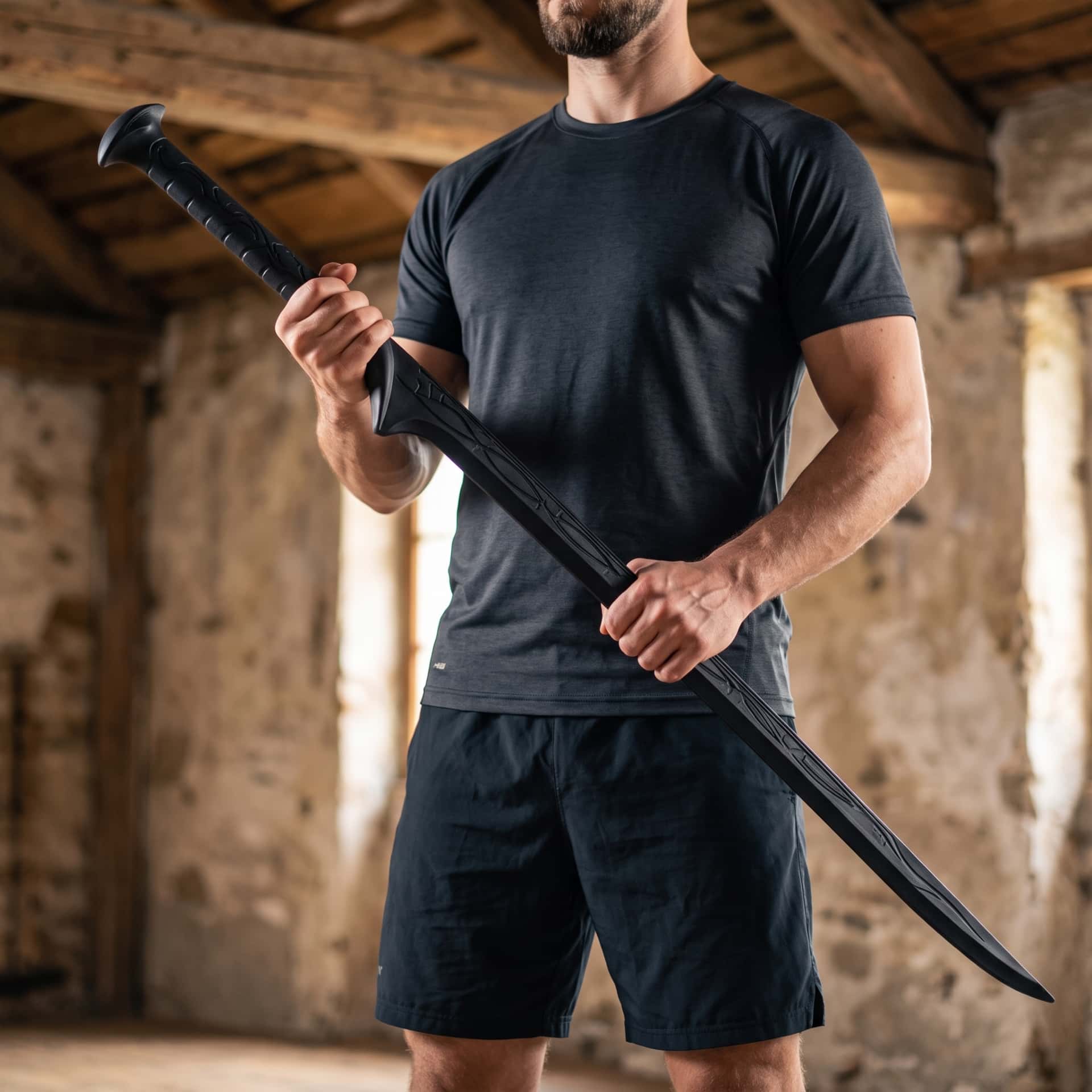


Swords — en savoir plus
This section brings together all the swords in the shop: costume replicas, blades from fiction, polypropylene and wooden training swords, and display miniatures. None of them is, at present, a replica of a Scandinavian sword — we would rather say so than let you believe otherwise, and what follows describes what the real thing looked like.
The sword was not the average Viking's weapon
It is the first misconception to clear up, and it changes the way you look at this section. In Viking Age Scandinavian graves, the sword is rare: it is estimated to be present in only a small minority of burials with weapons, far behind the spear and the axe. The reason is economic. A meter-long blade of welded steel demanded weeks of work from a skilled smith, and a quantity of metal that a farmer-warrior simply did not have the means to order.
In that world, then, a sword is not a piece of equipment: it is capital. It is received, handed down, given a name. The sagas name blades the way ships are named — Gram, Skofnung, Tyrfing — and tell of entire feuds over the possession of one of them.
Pattern welding: why these blades ripple
Look closely at an original Viking blade and you will see, beneath the surface, serpentine bands running from the base of the blade toward the tip. This is not applied decoration: it is the very structure of the metal. Northern smiths assembled iron bars with different carbon contents, twisted them, forge-welded them together, then hammered the whole. The result — which archaeologists call pattern welding (corroyage in French) — gave a flexible core that bent without breaking, onto which harder cutting edges were welded.
The process largely disappears in the 10th century, when better-quality steel reaches Scandinavia. This is the era of the blades marked +VLFBERH+T, whose steel was so homogeneous that it was long thought to have come from the East. Our article on the Ulfberht sword explores this puzzle in detail, and the anatomy of the Viking sword goes through every part, from the pommel to the tang.
What you will find here — and what it is not
A point of honesty, because it determines your purchase: this section does not sell weapons. It sells replicas intended for costume, reenactment and decoration. No blade is sharpened, and none is designed to strike anything.
Two families coexist, and they are not meant for the same use:
- PU foam with a rigid core. Lightweight, with no hard edge, it can be carried all day without tiring your arm, and it hurts no one in a crowd. It is the choice for fairs, conventions and photos. On the other hand, it takes a crease if you store it bent.
- Cast metal. Heavier, colder in the hand, it renders engraved detail in a way foam never will. It is the choice for the display case and the wall. It is not something you wear on your belt all evening.
Choosing the right length
Viking Age swords generally had 70 to 90 cm of blade, not counting the hilt, for a weight of about one kilo — much lighter than the movies would have you believe. A replica well beyond that size is no longer a Viking sword, it is a fantasy sword: that is not a flaw, but it is worth knowing before you order.
For wearing, measure the distance between your hip and the floor: a longer blade drags and gets in the way with every step. For a wall, all that matters is the space available between two hanging points.
Caring for a replica
Cast metal only needs a dry cloth. Never use silver polish on a patinated piece: these products remove the oxidation from the recesses, which is exactly what draws the engraving. If a fingerprint remains, a slightly damp microfiber cloth followed by immediate drying is enough.
PU foam dreads two things: direct sunlight, which yellows the paint within a few months behind a window, and storage under strain. Store it flat or hanging, never wedged crosswise in a box.
Frequently asked questions
Are these swords sharpened?
No, none of them. They are costume and decorative replicas, with a blunt or foam blade.
Did the Vikings mostly fight with swords?
No. The spear and the axe dominate grave goods by a wide margin. The sword was expensive and remained a marker of rank rather than standard equipment.
Foam or metal?
Foam for wearing, metal for display. The first does not tire you and does not hurt anyone; the second renders detail and hangs well on a wall.
Can I carry it in the street?
A replica is still subject to local rules on carrying objects that look like a weapon. Transport it packed away and take it out at the event venue, not on the way there.