
Filters
34 products
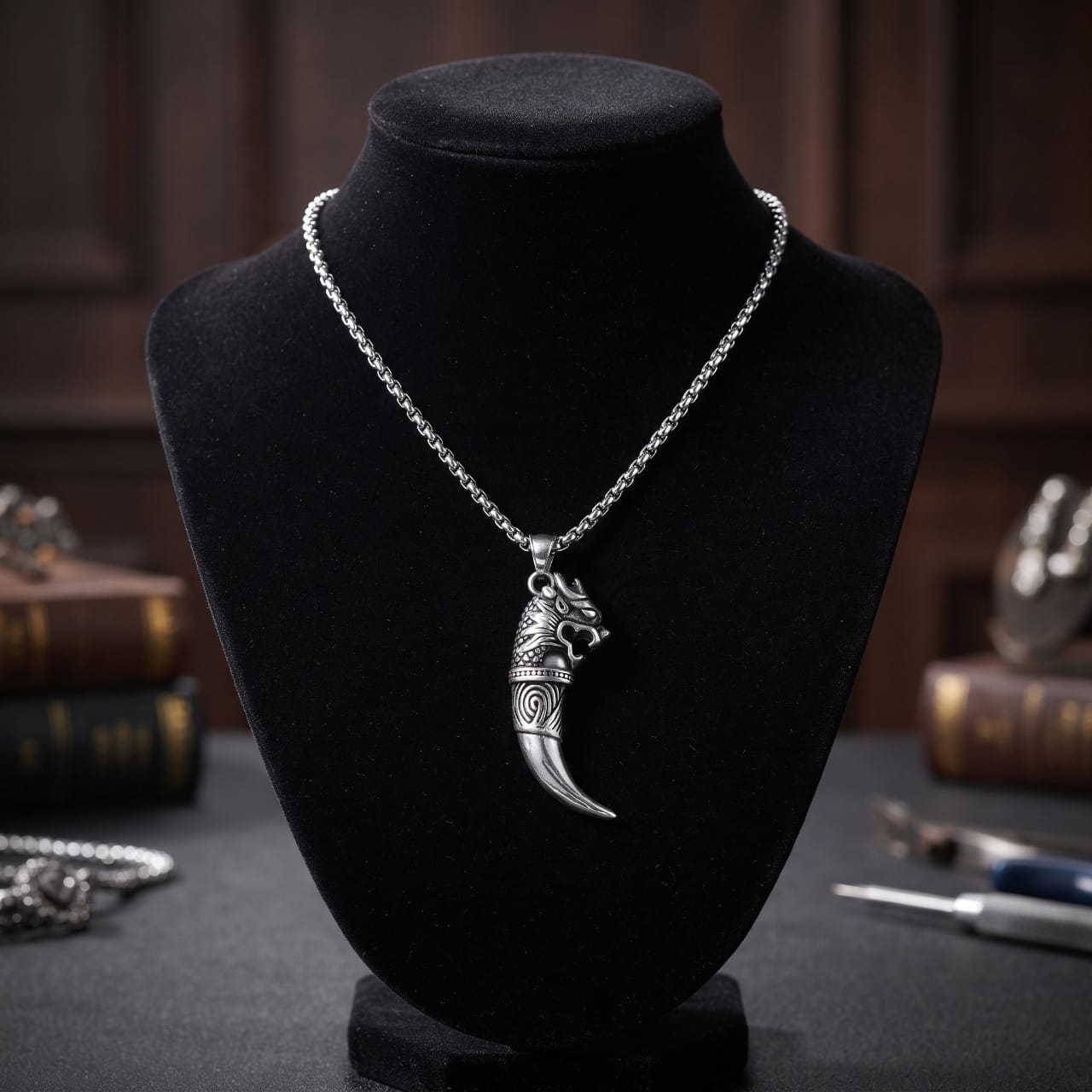
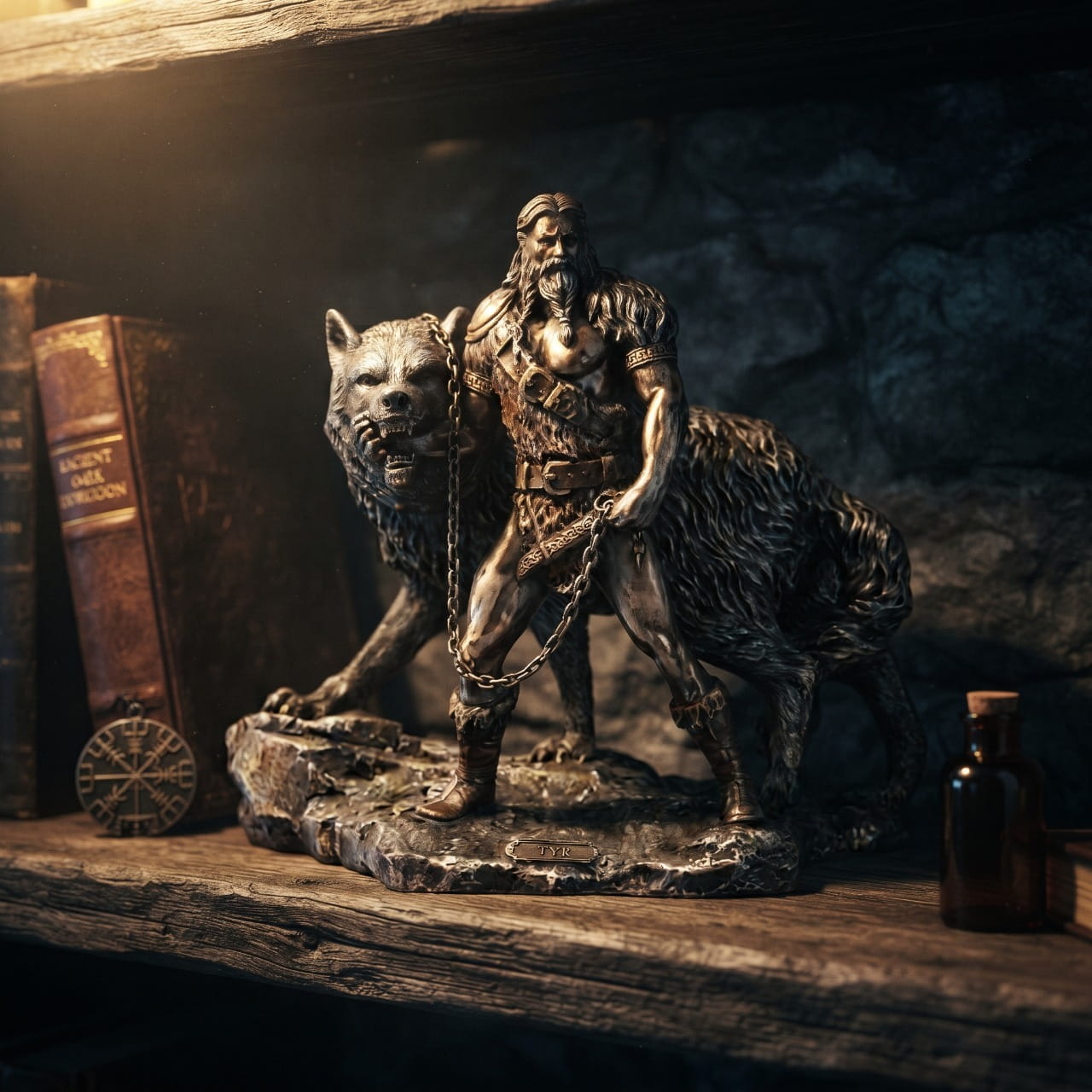

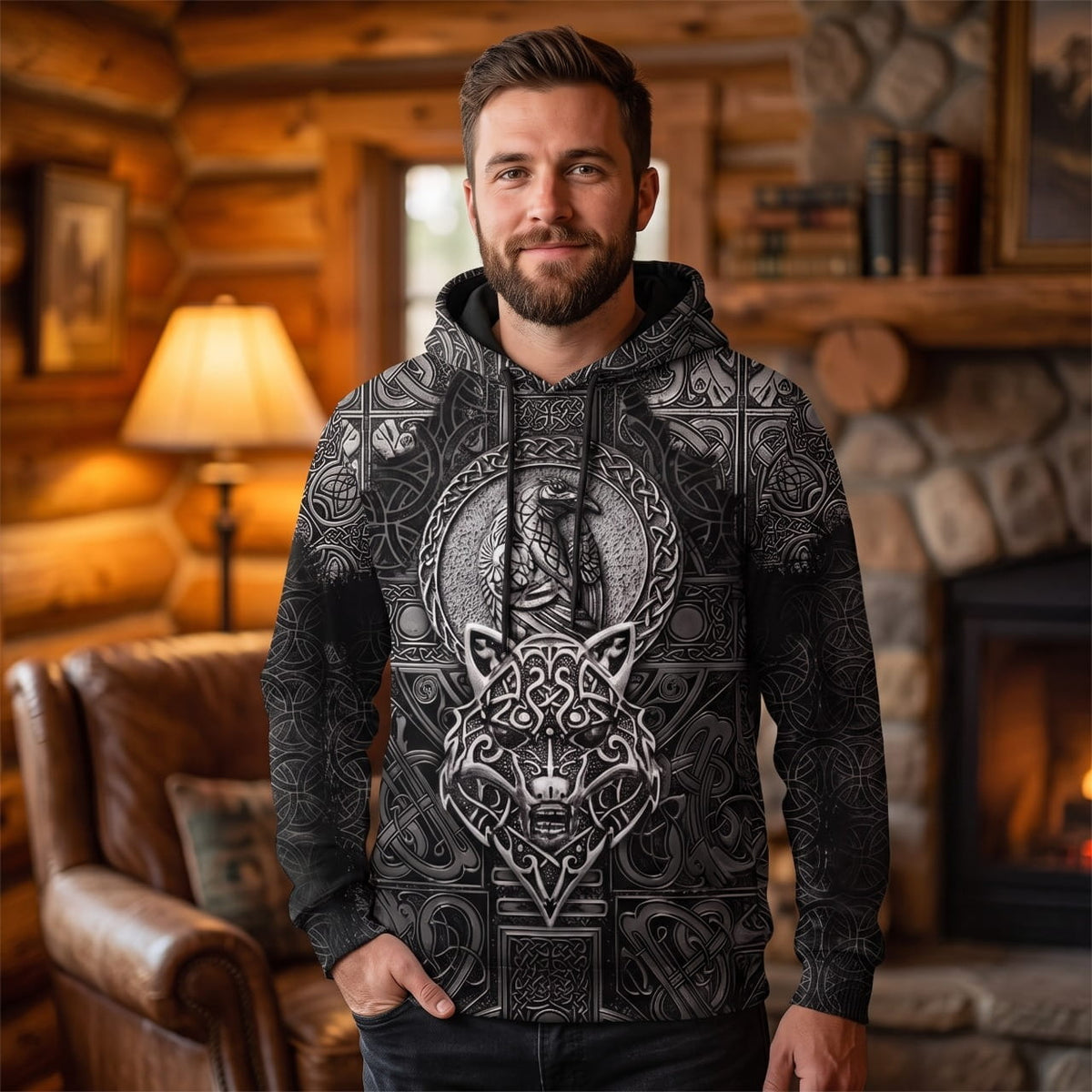
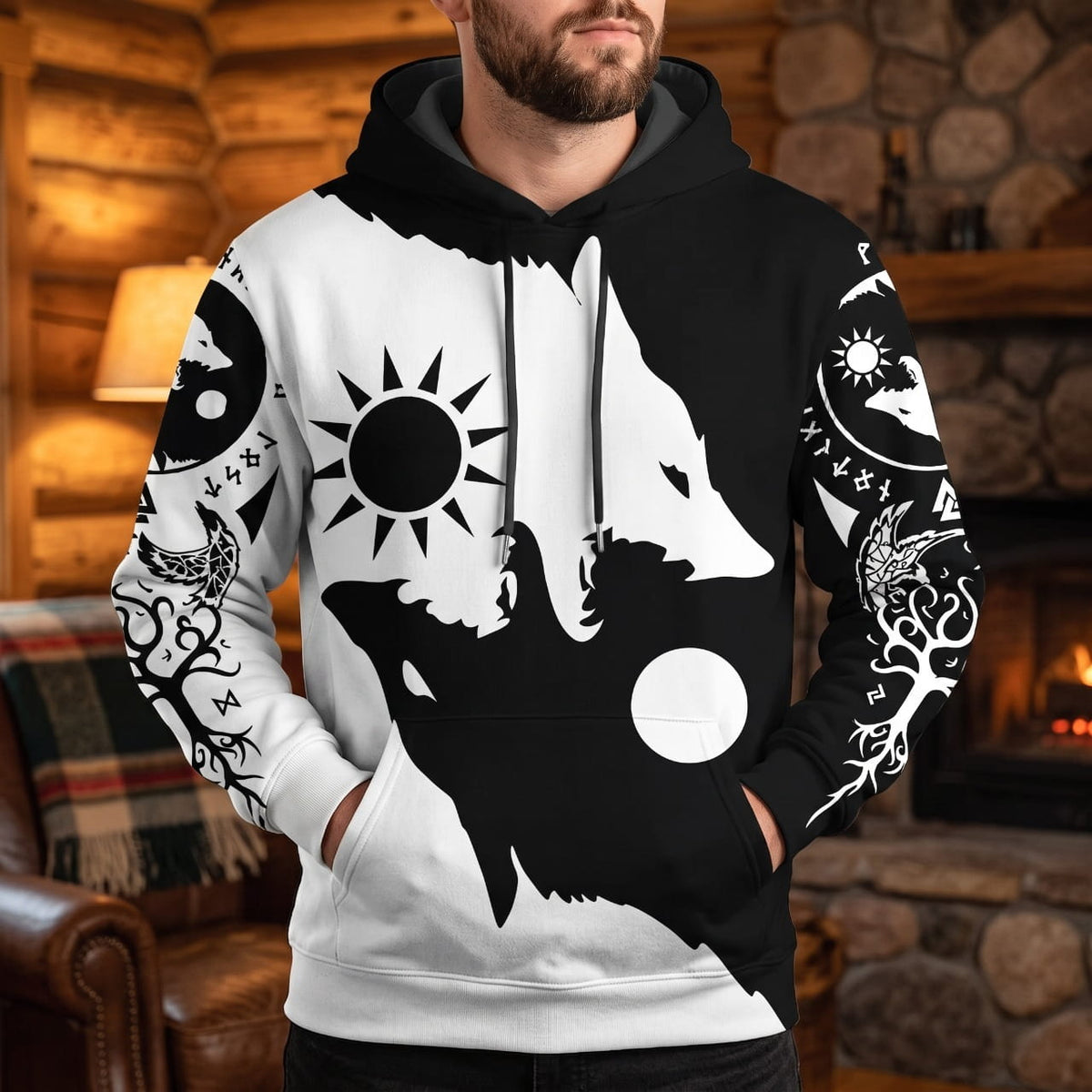
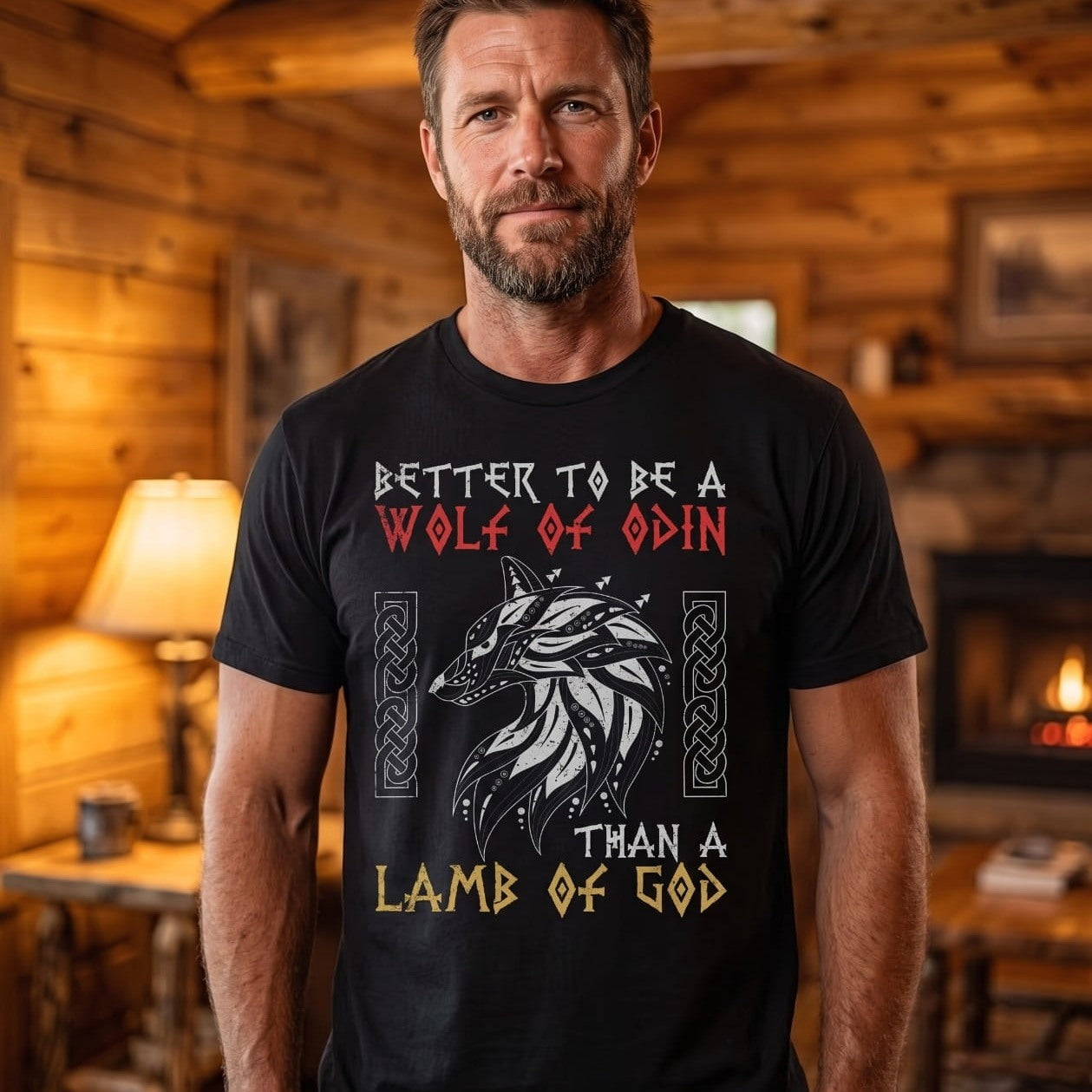
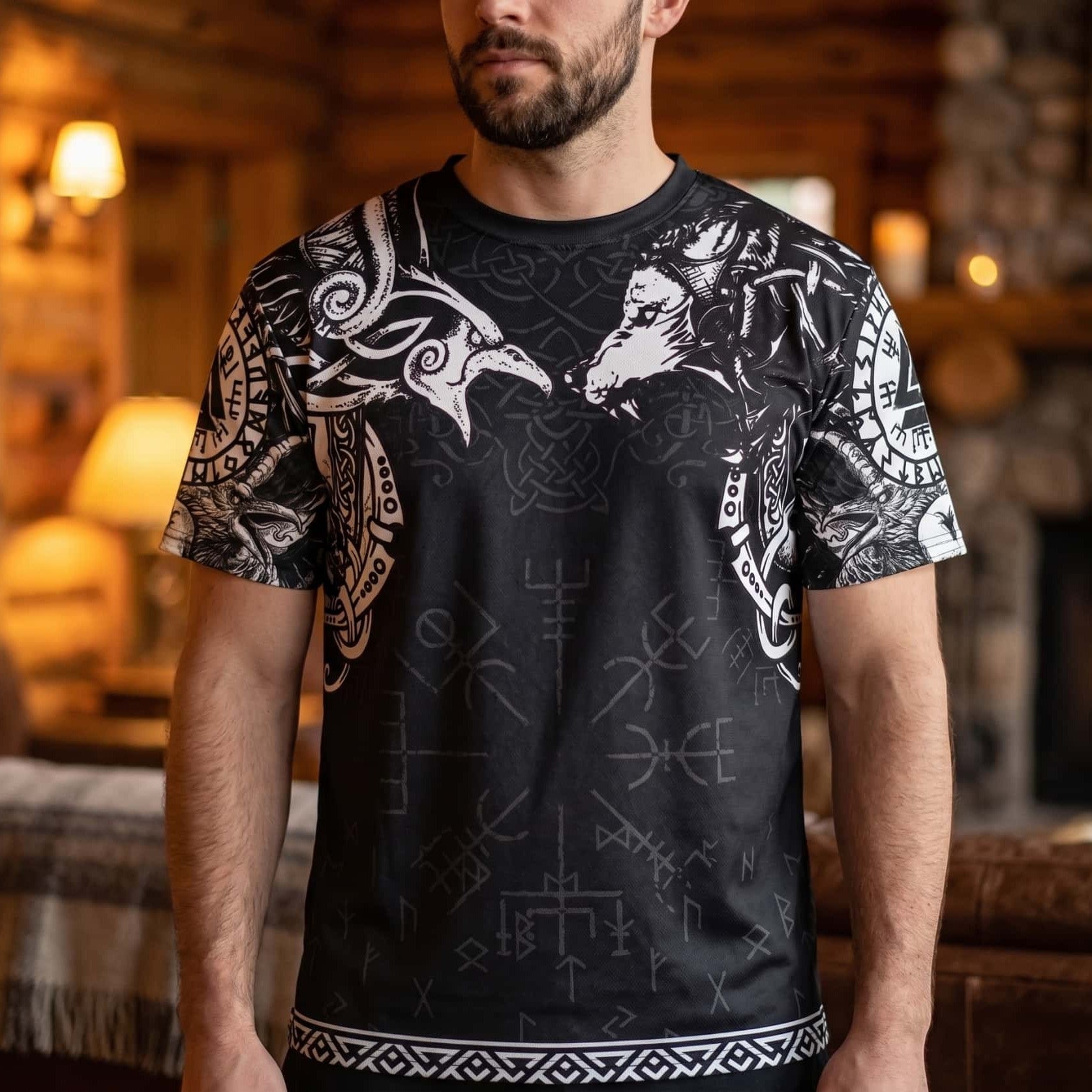
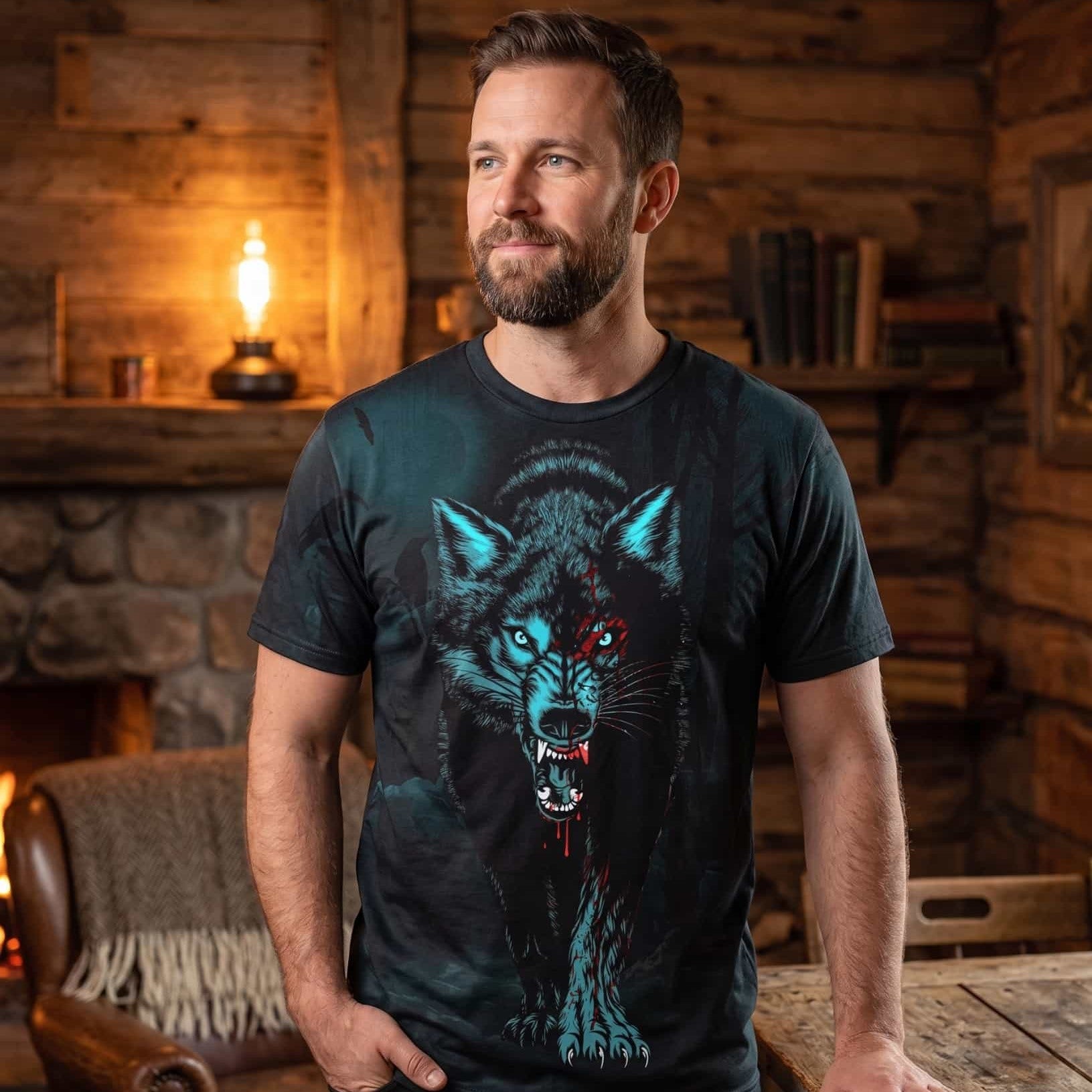
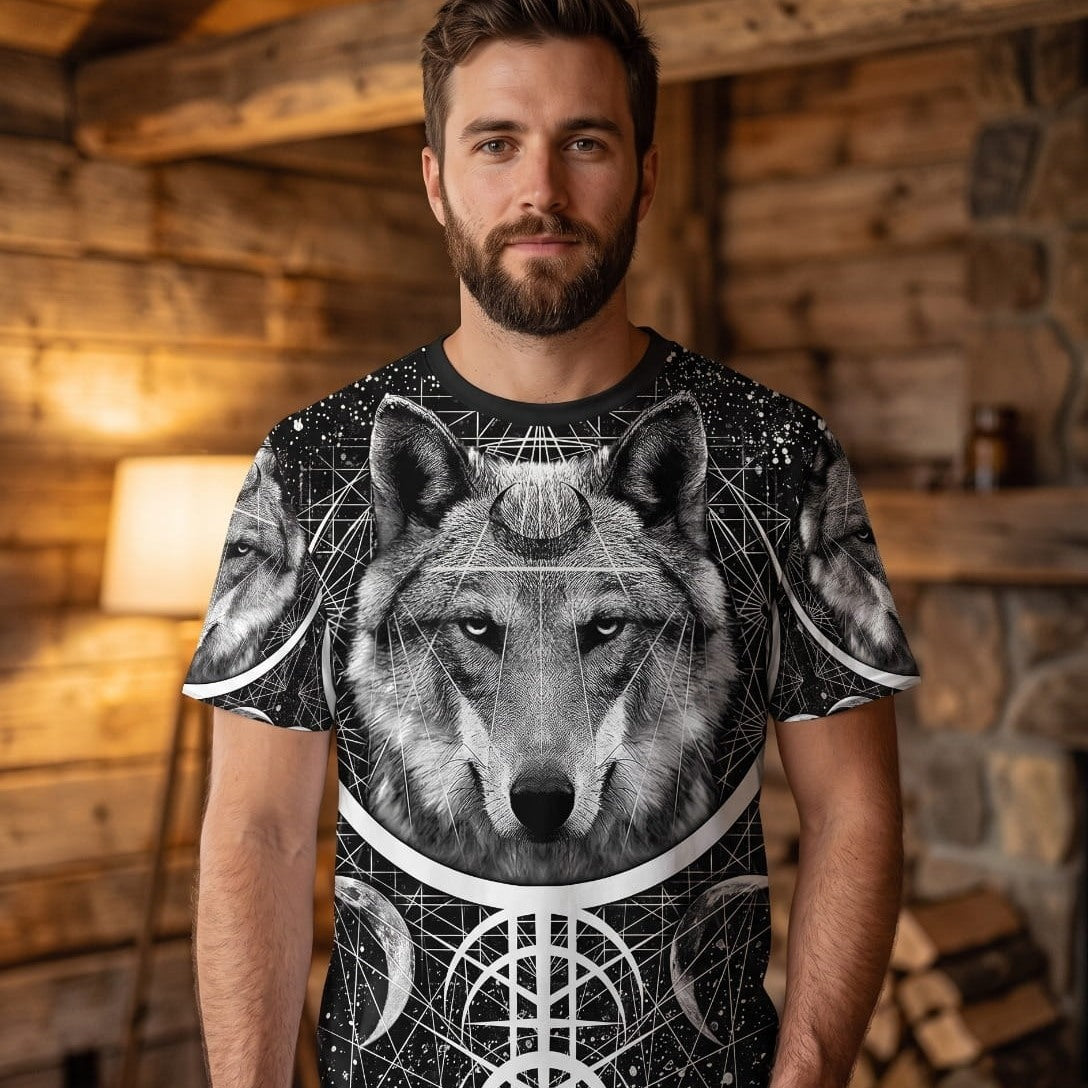
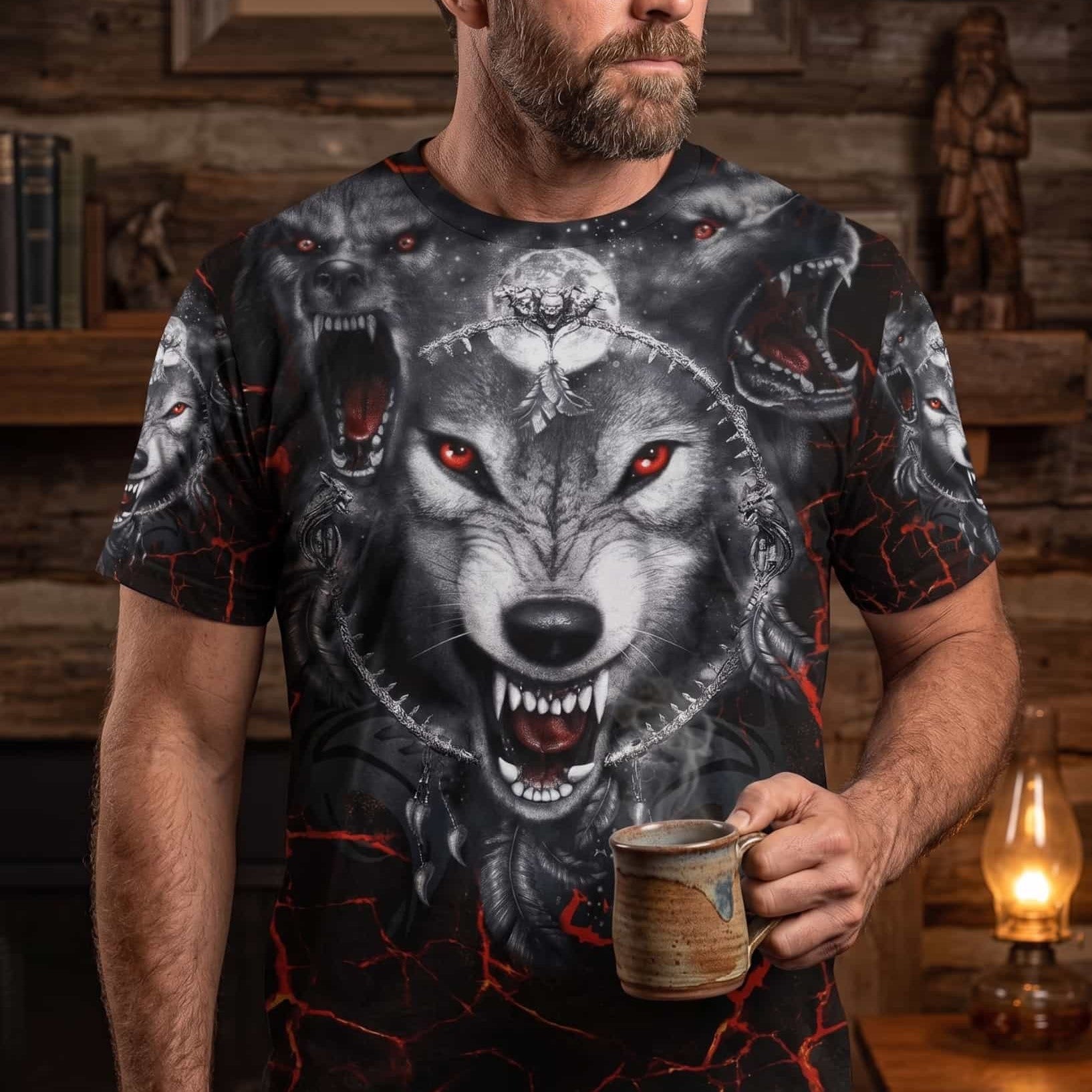
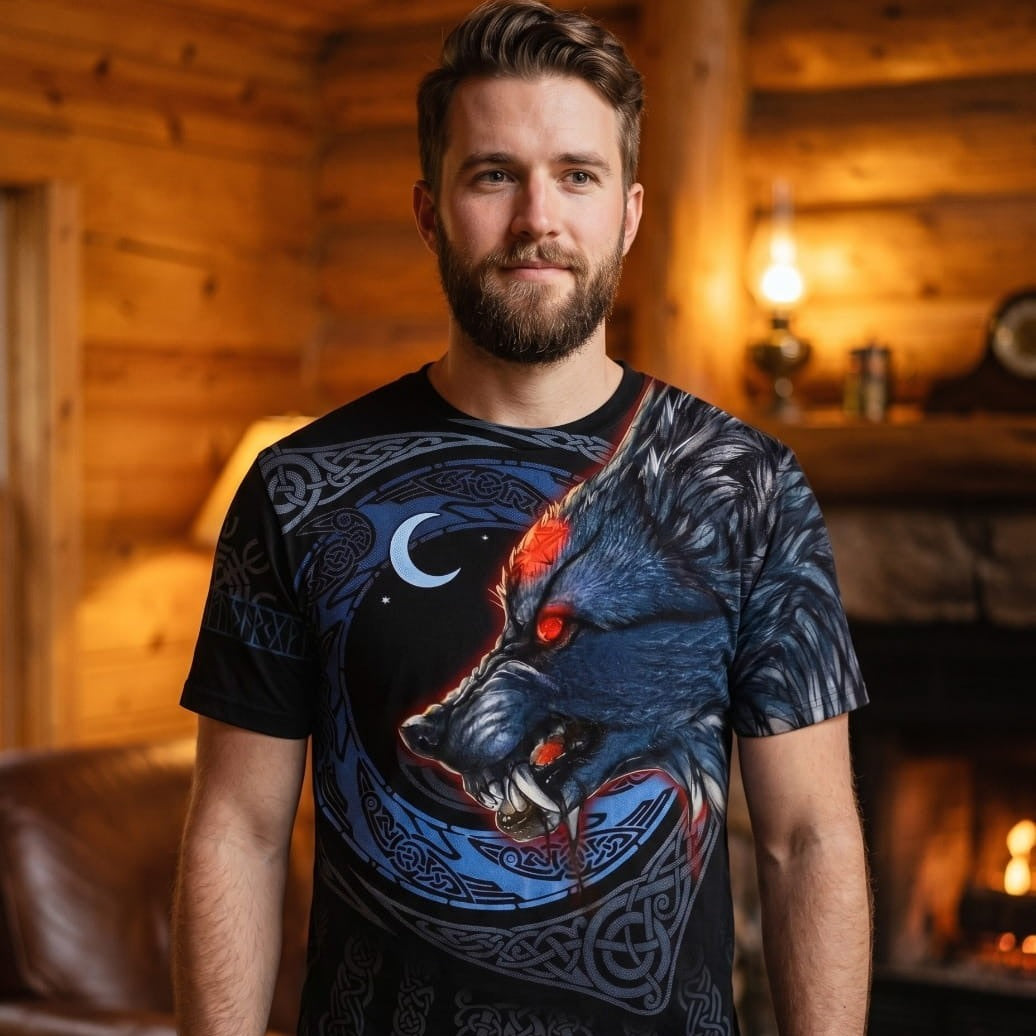
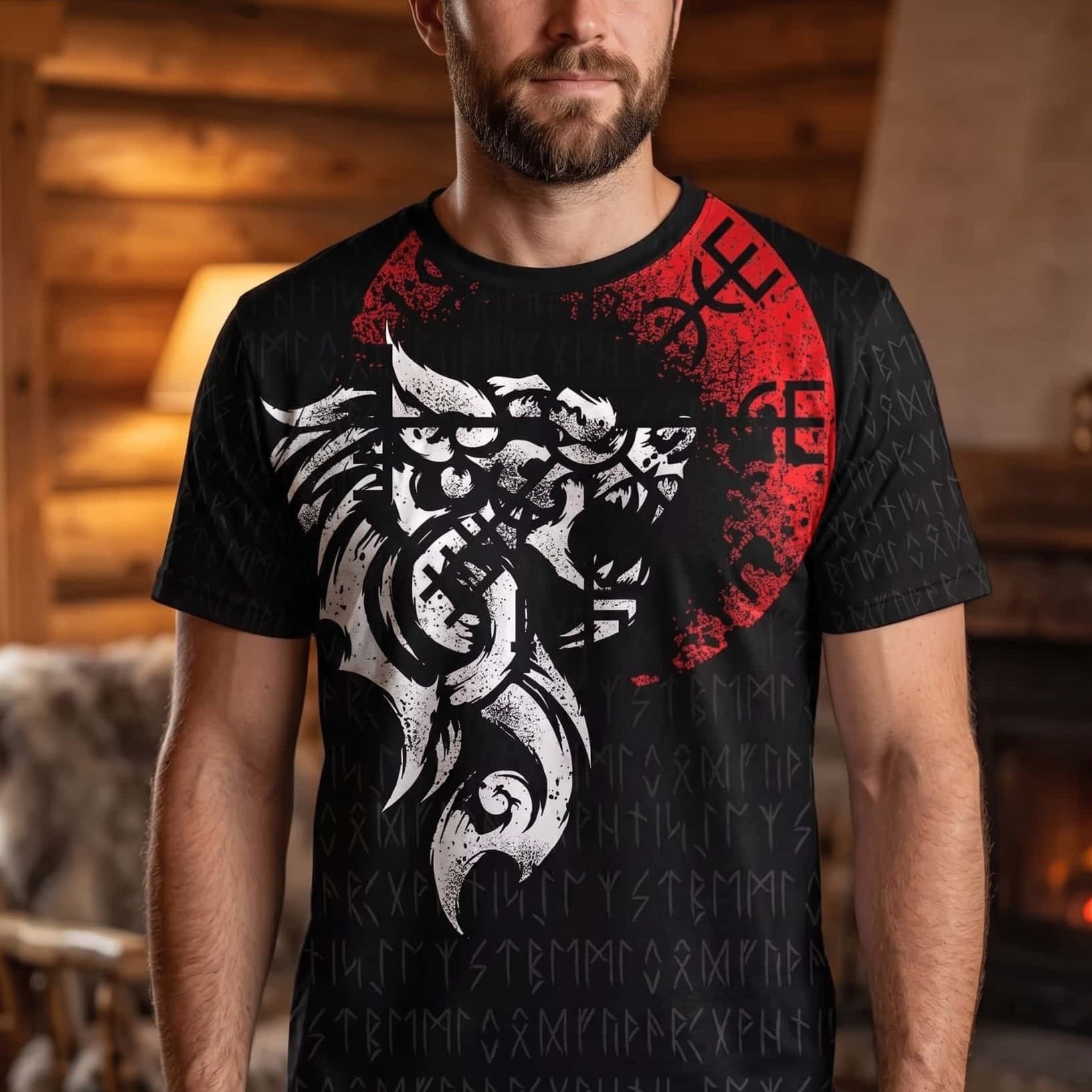
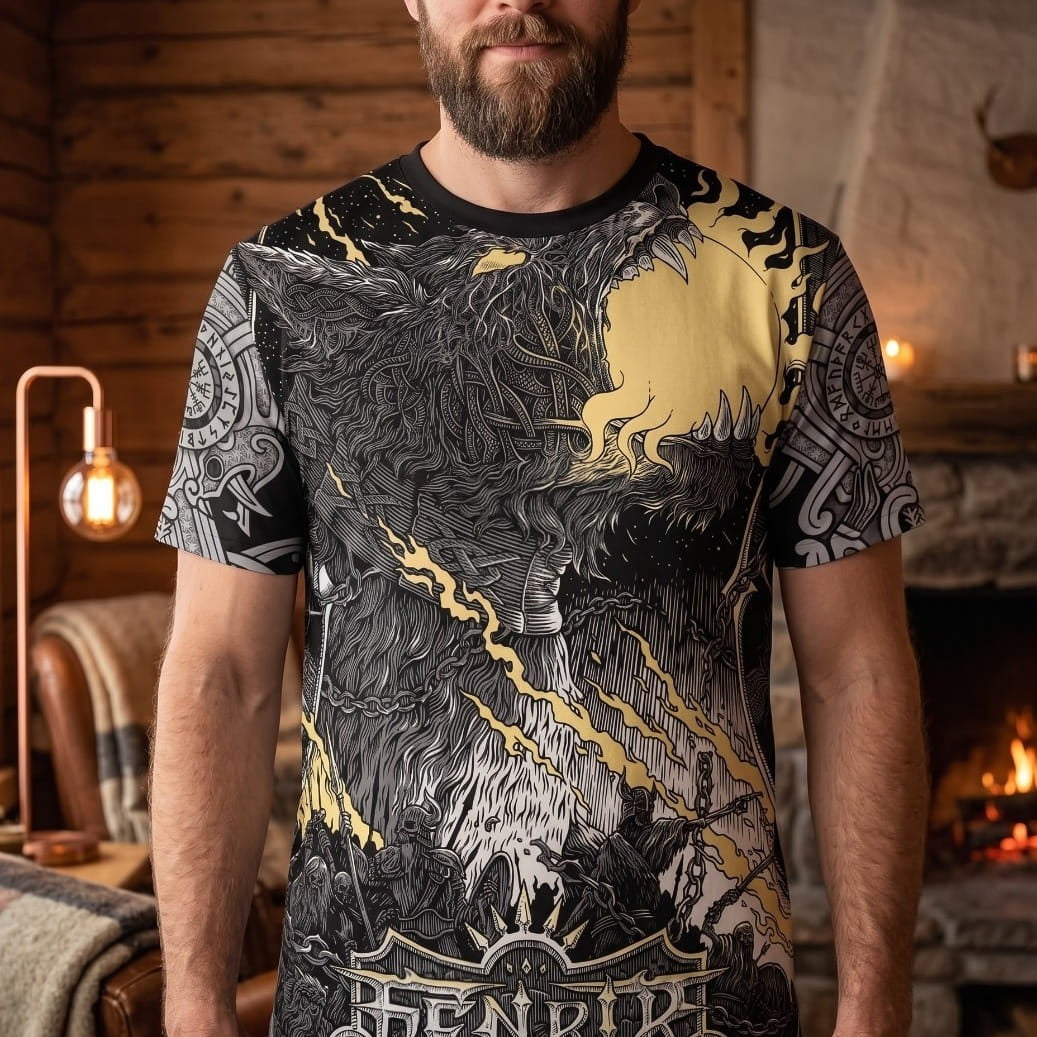
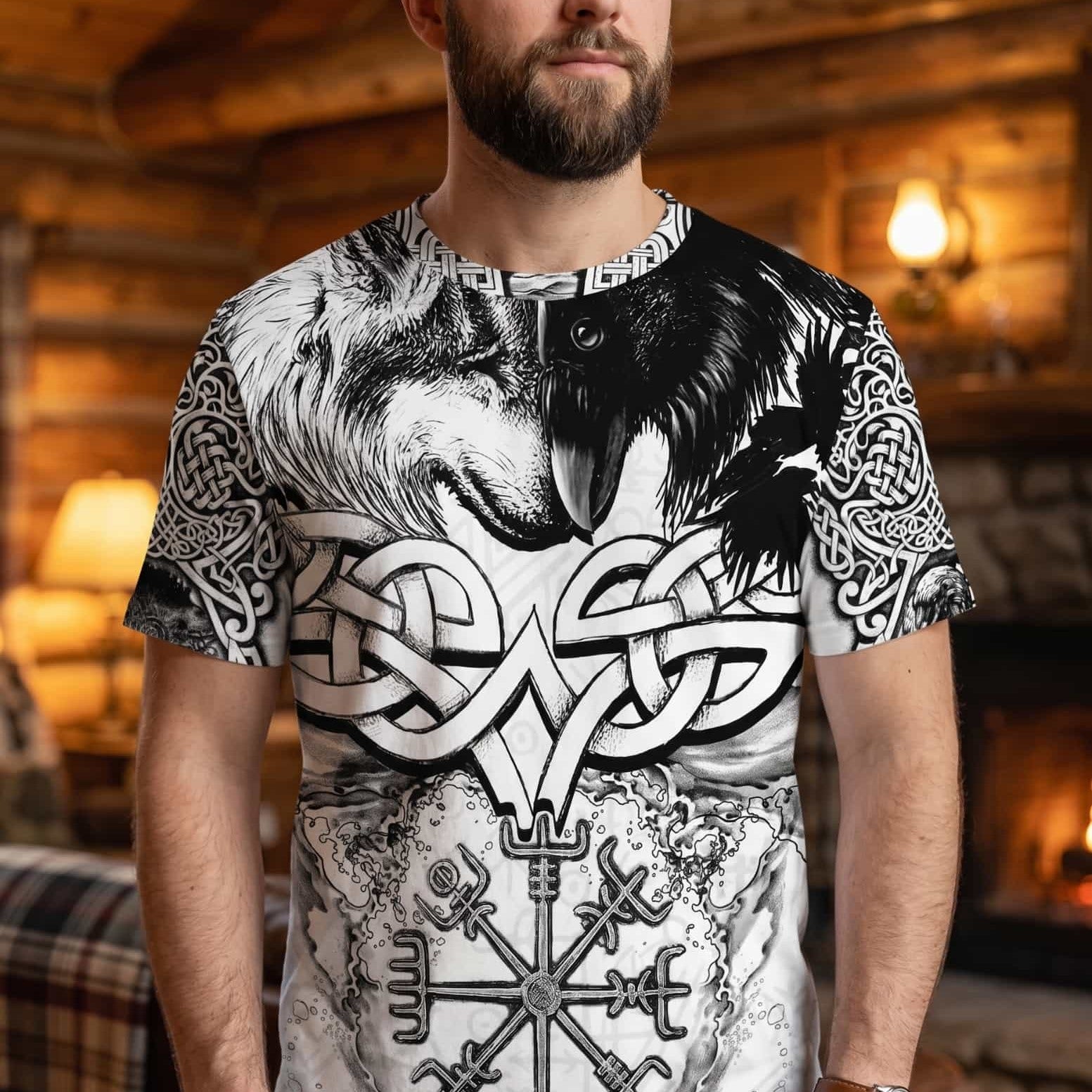
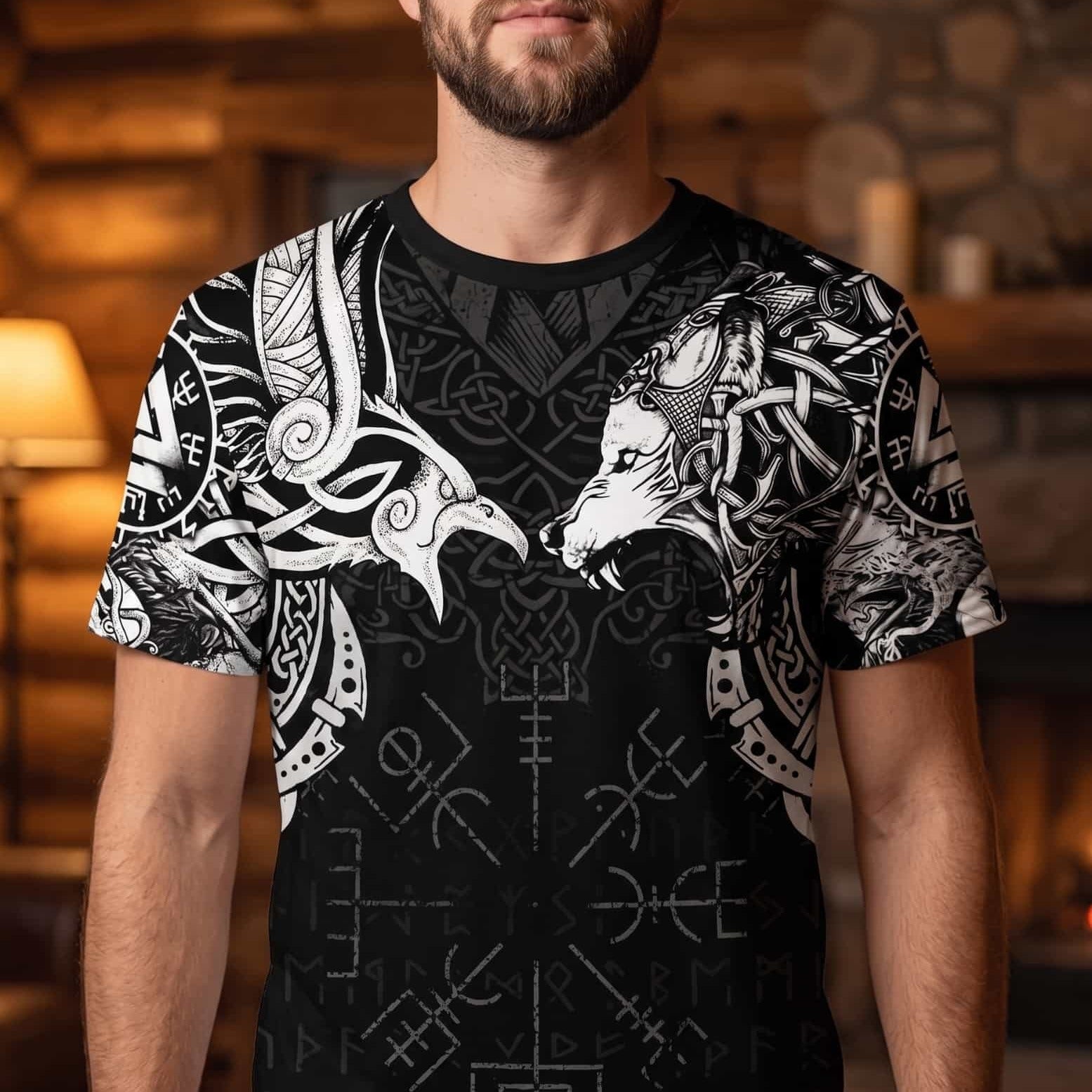
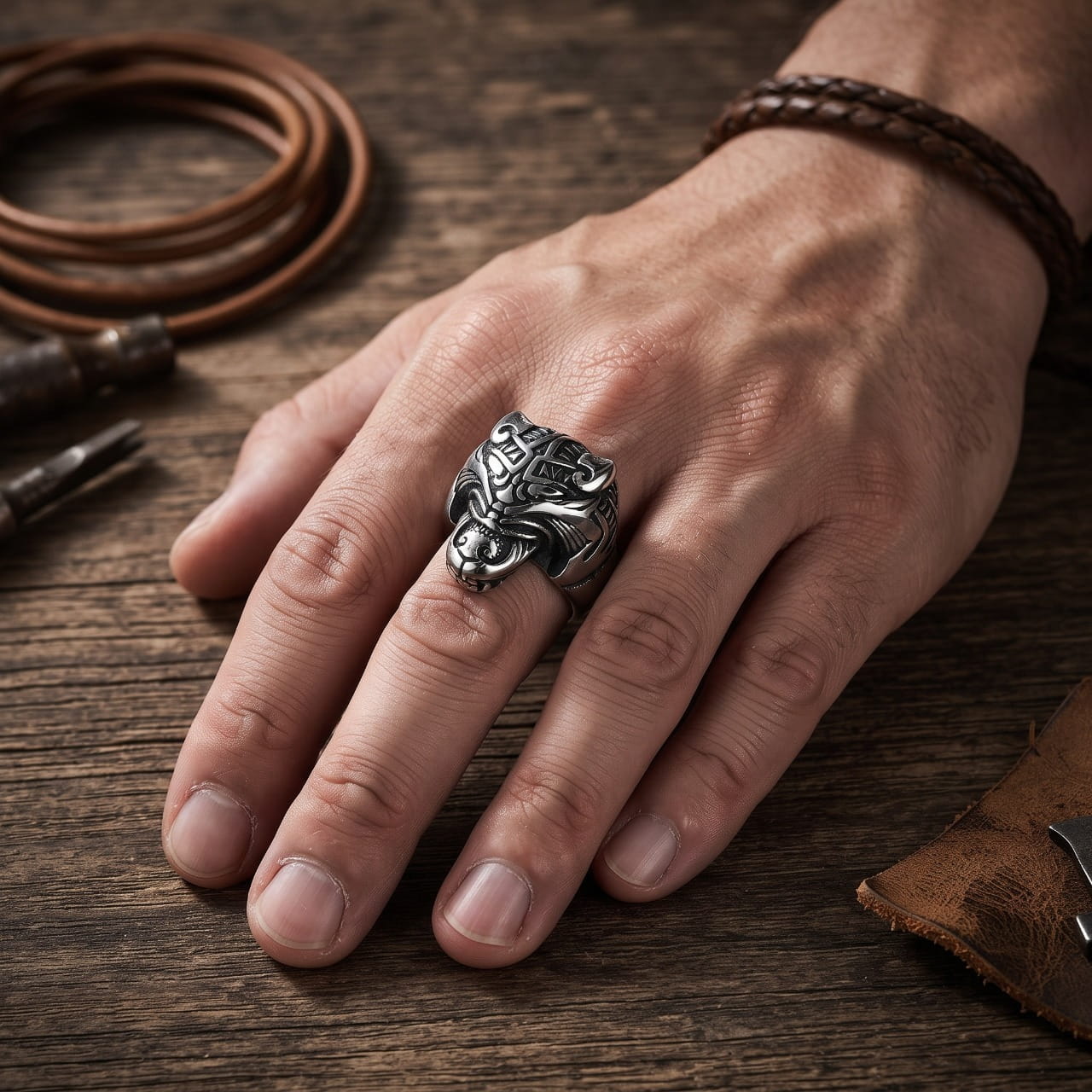
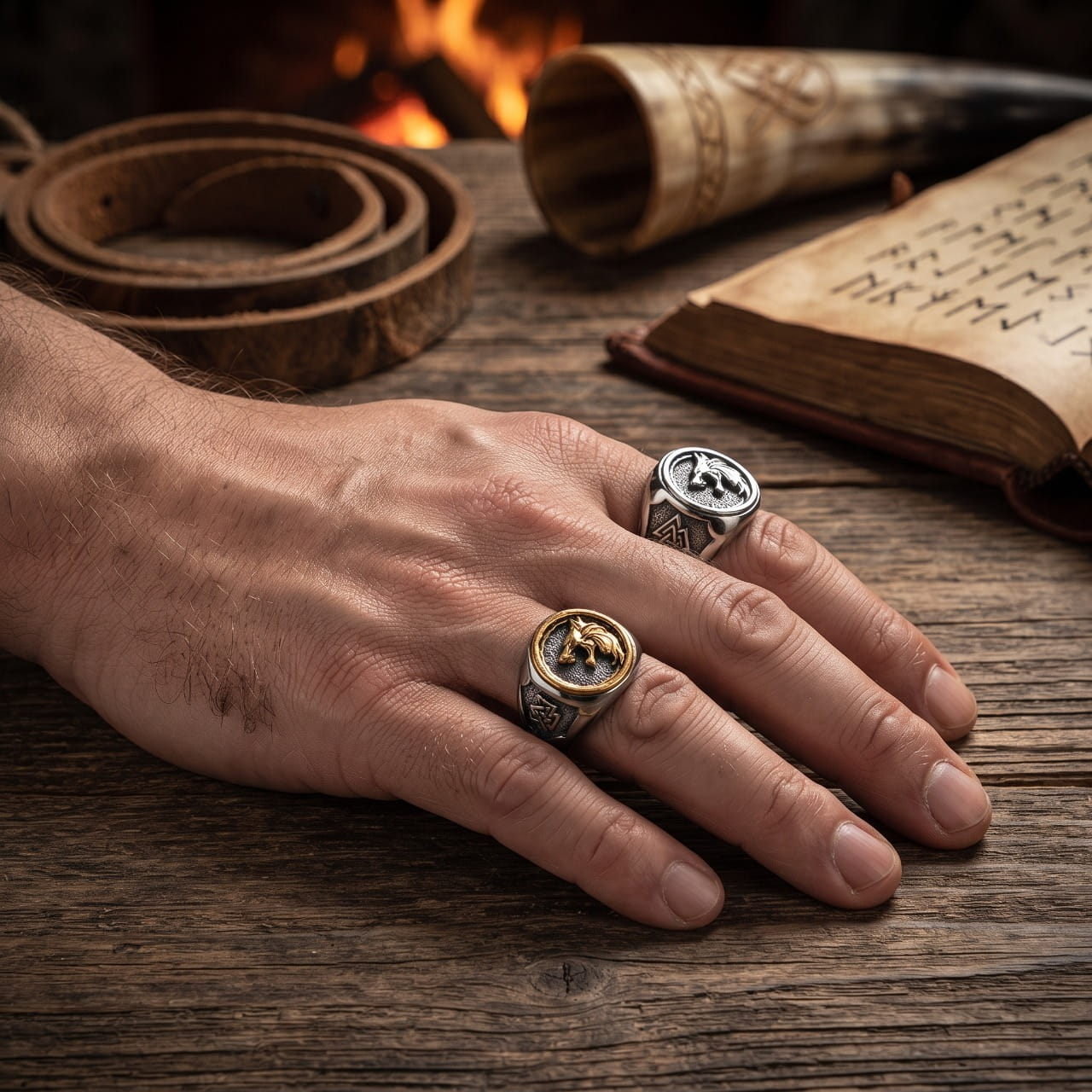
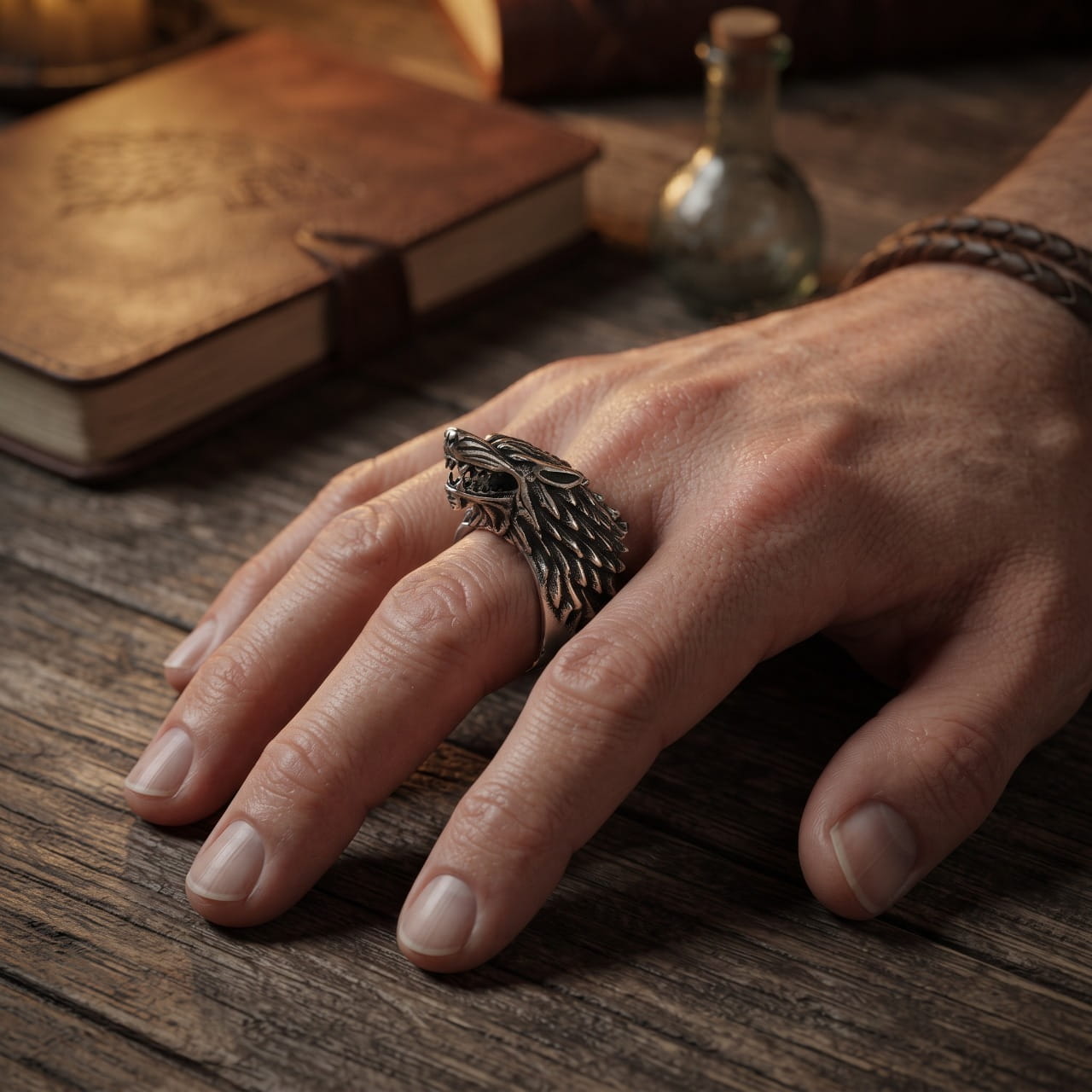
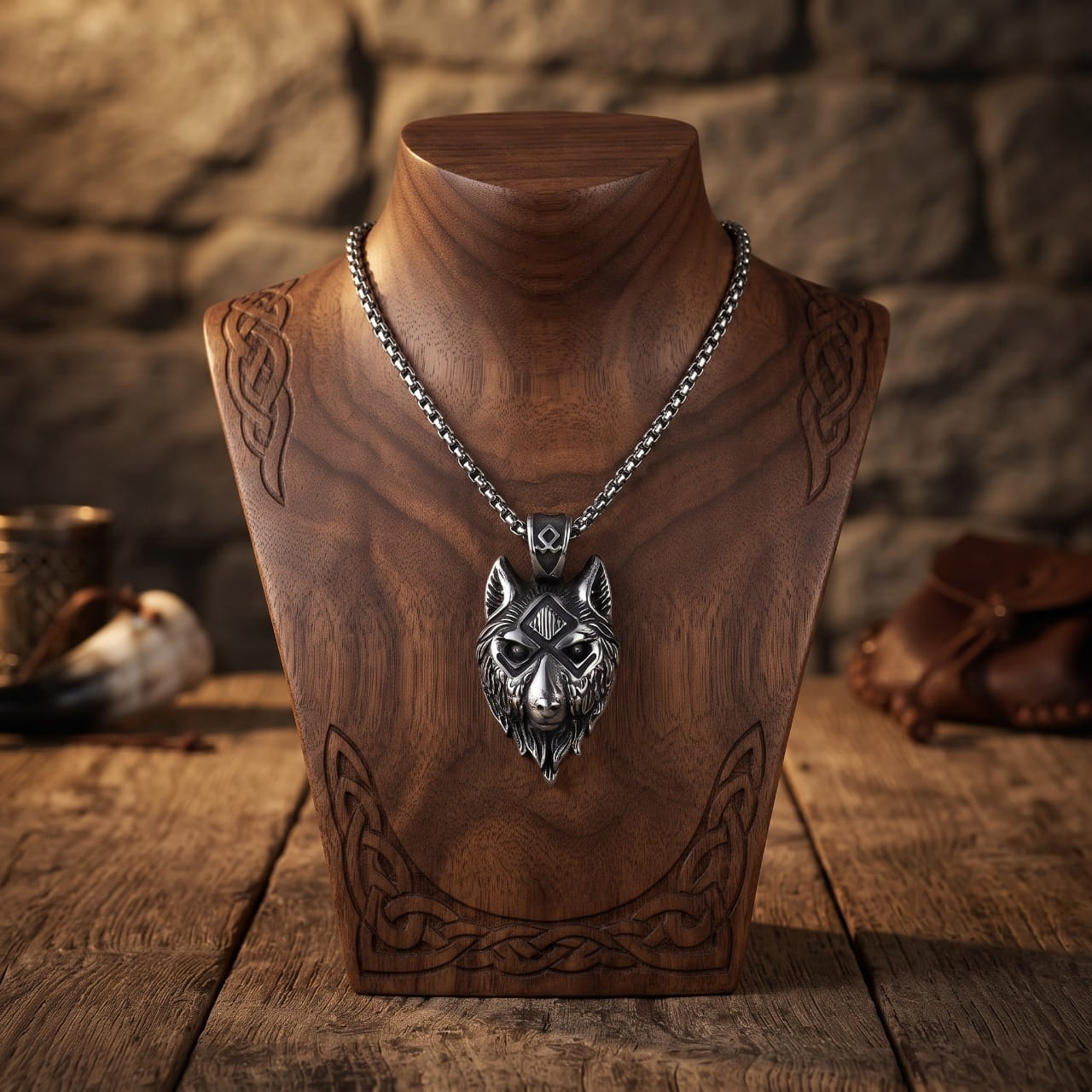
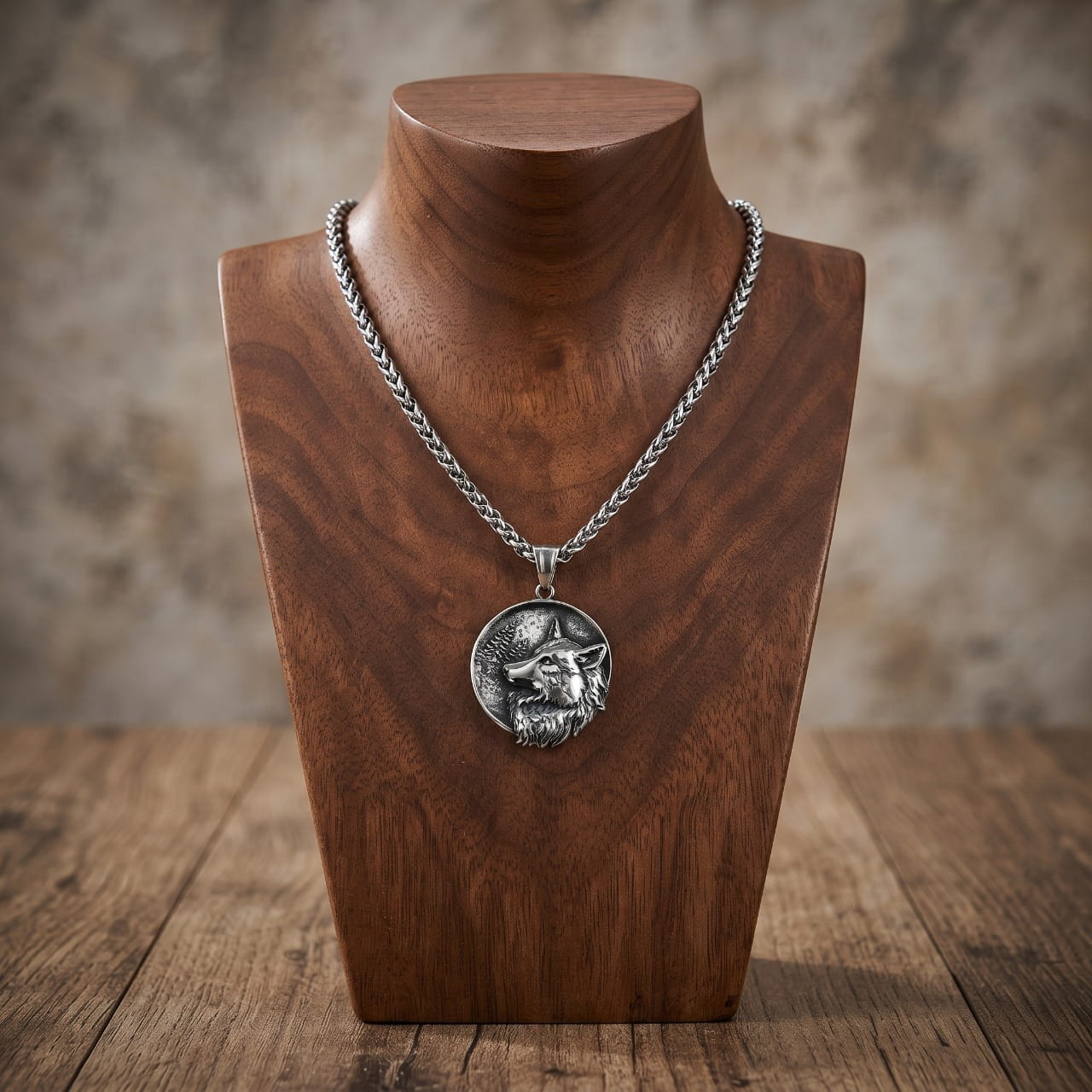
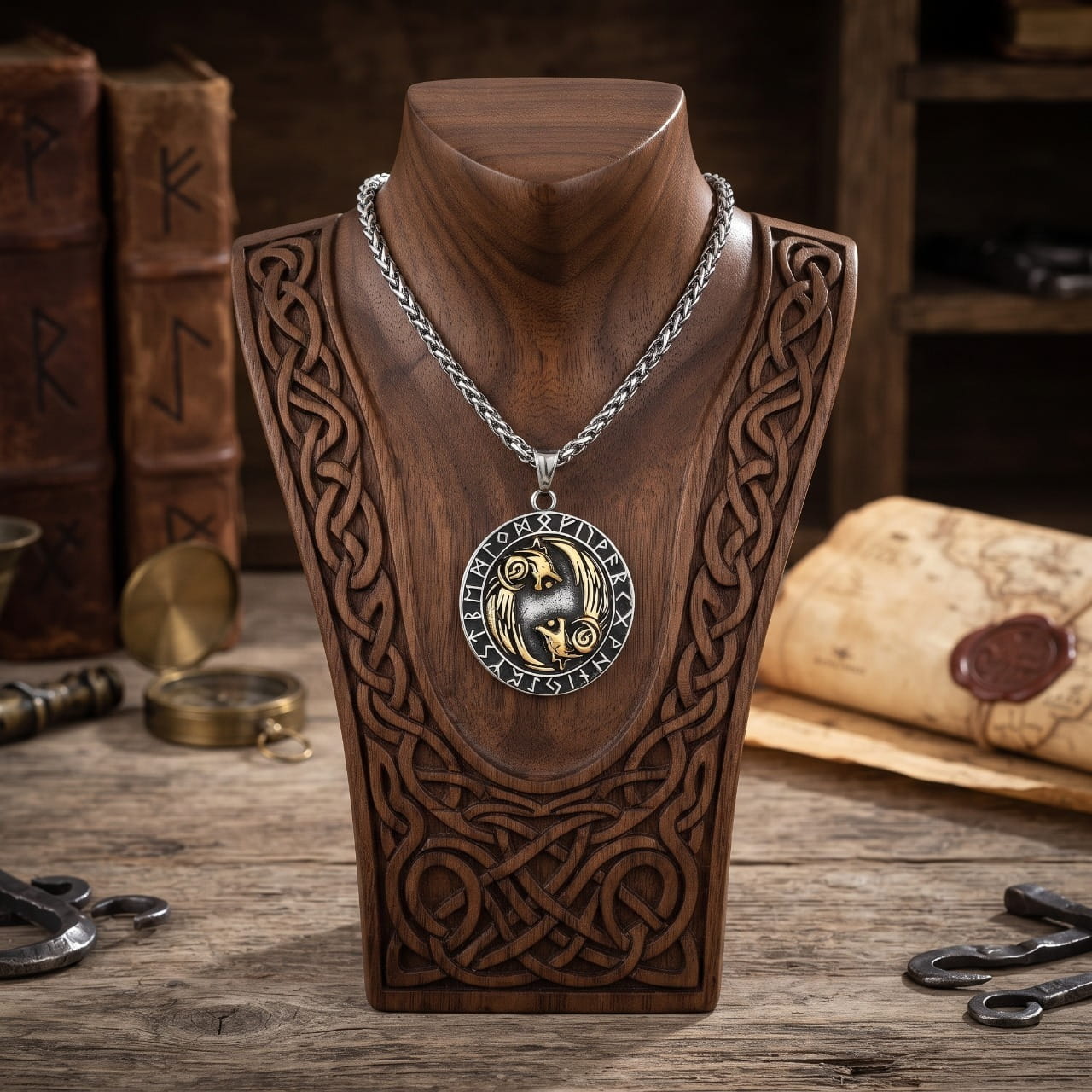
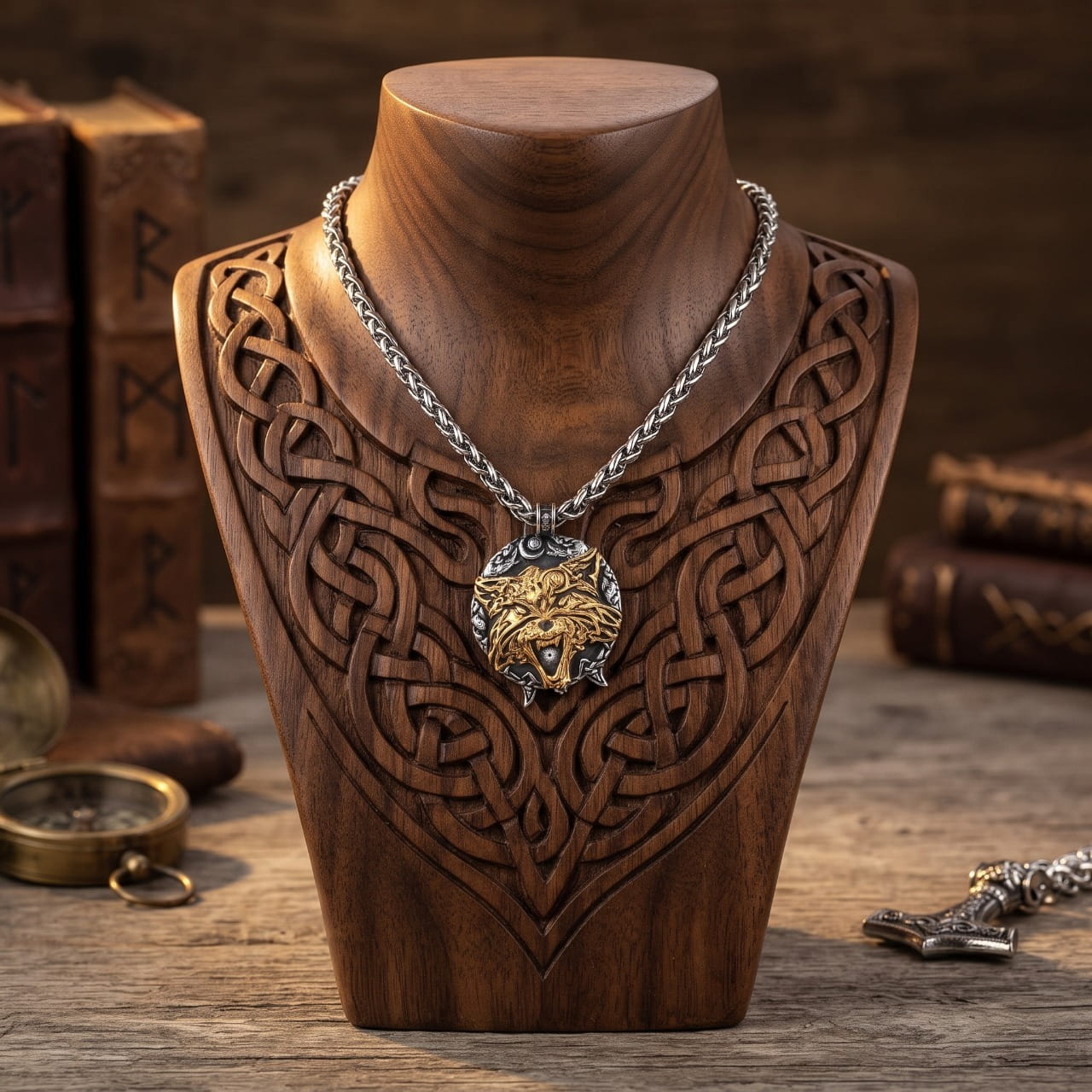
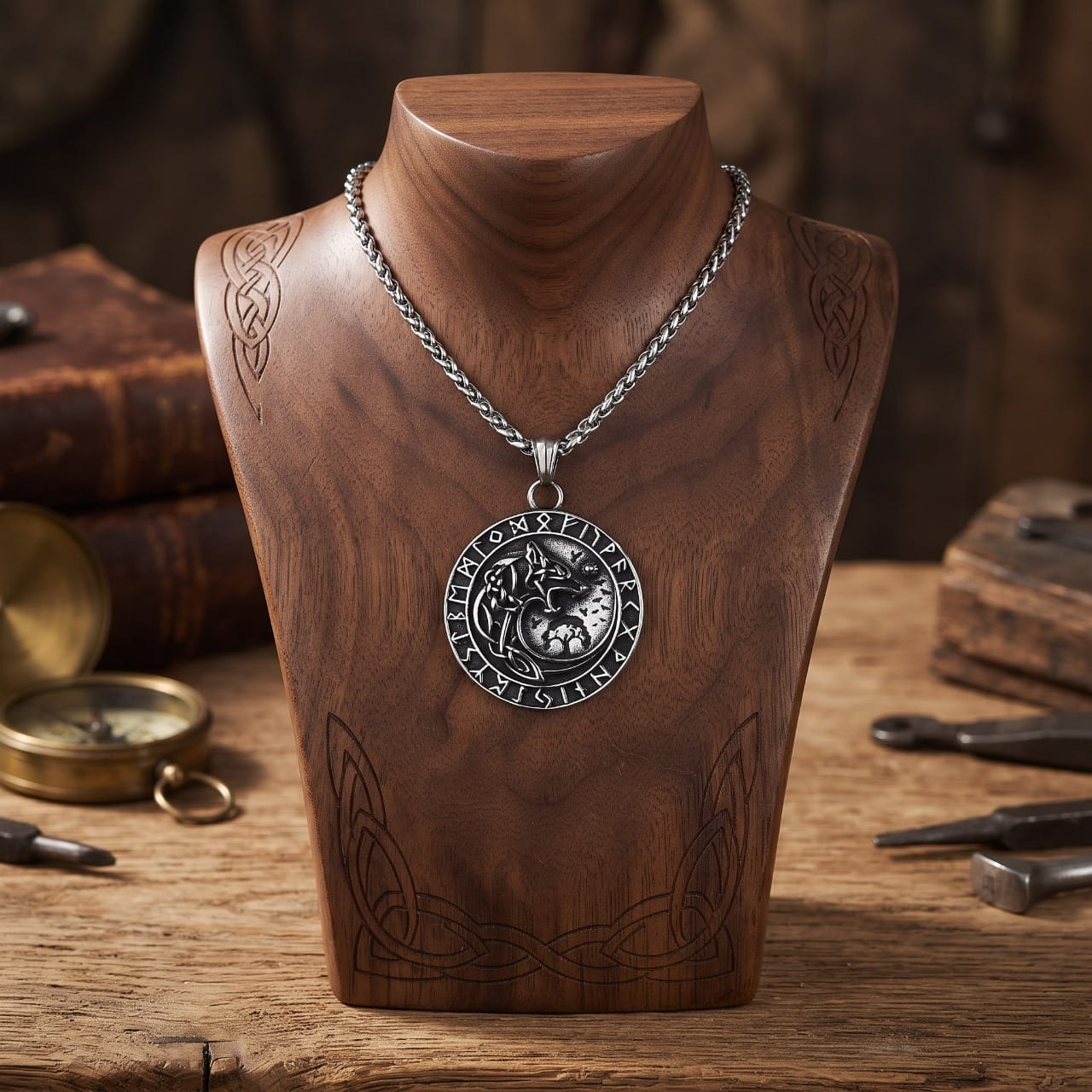
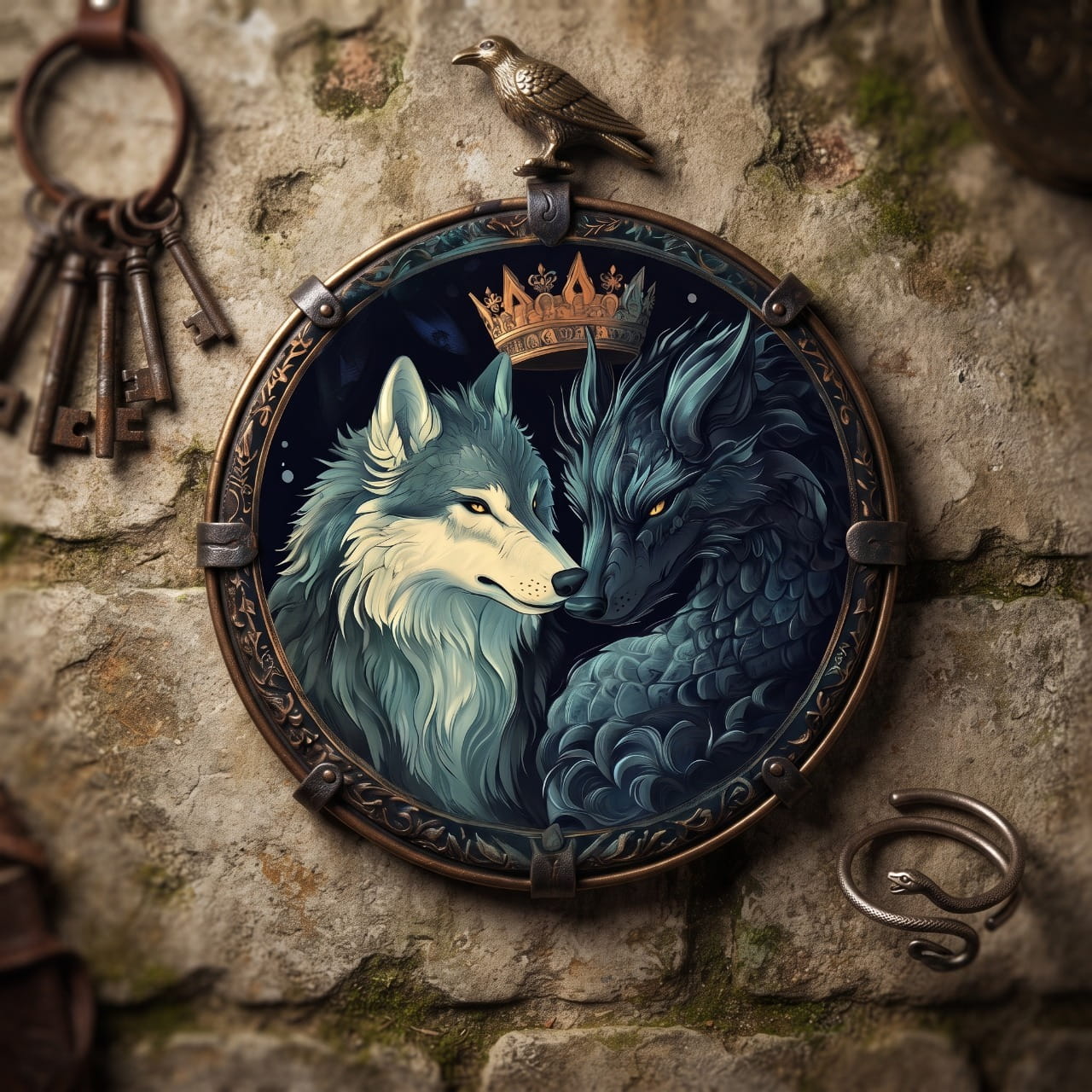
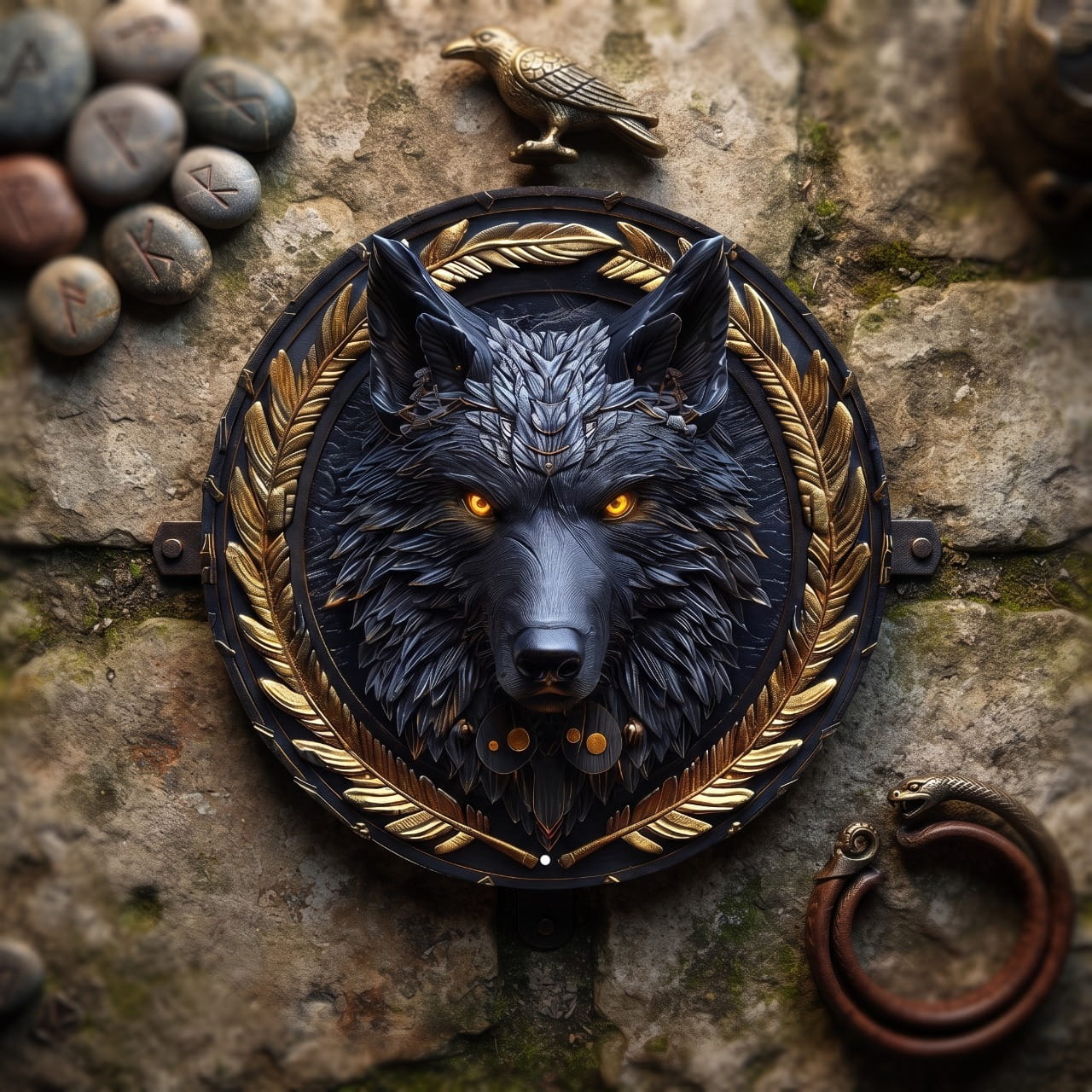
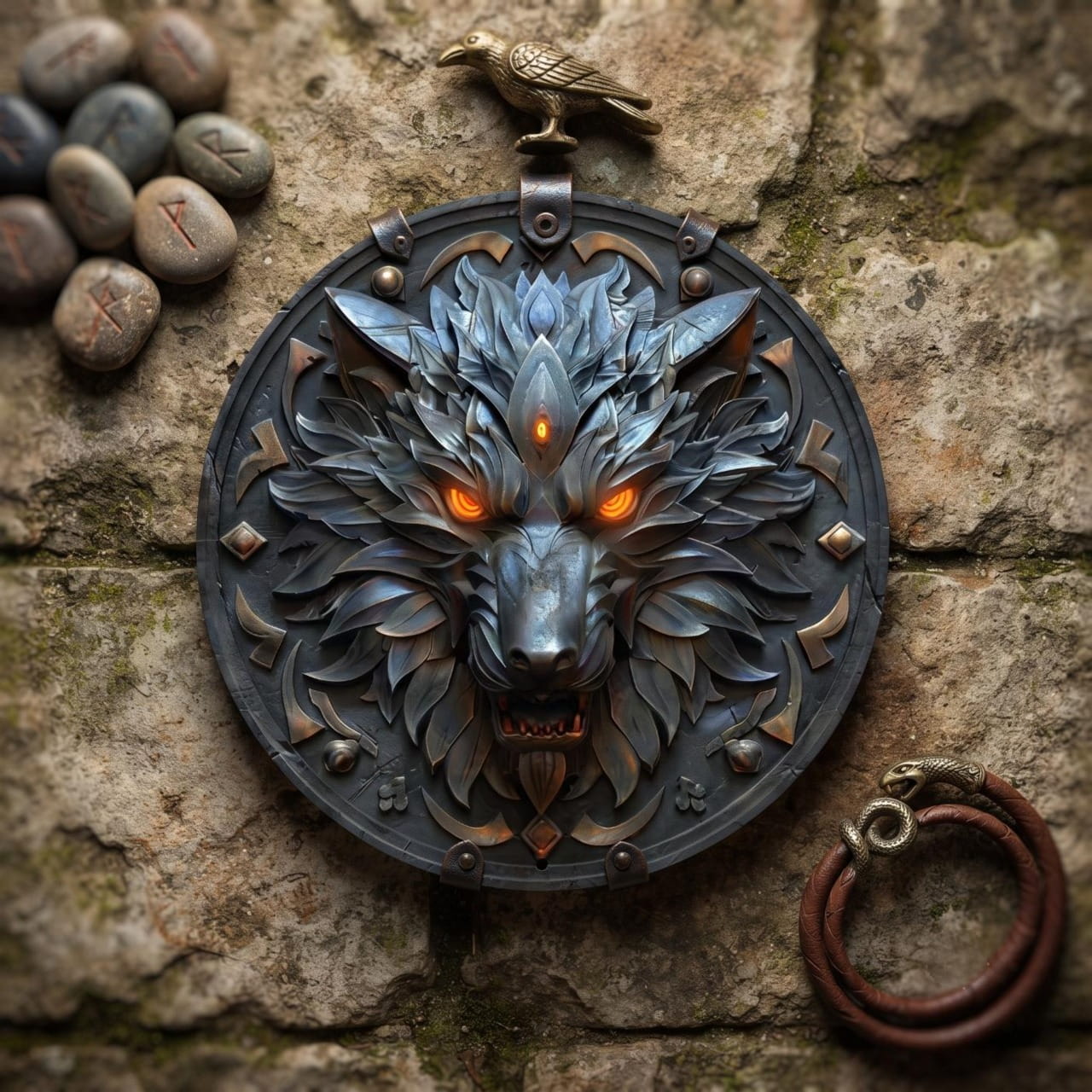
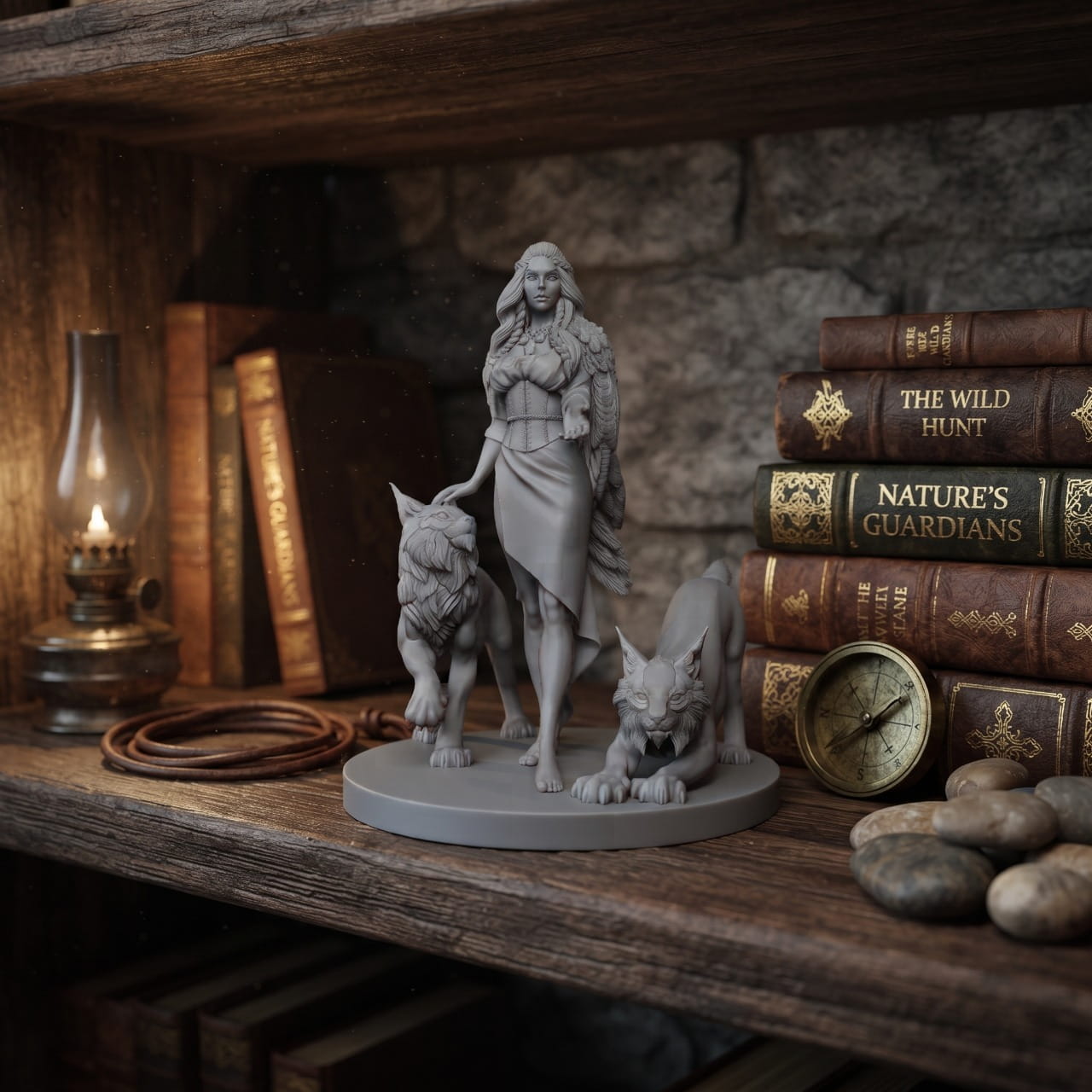
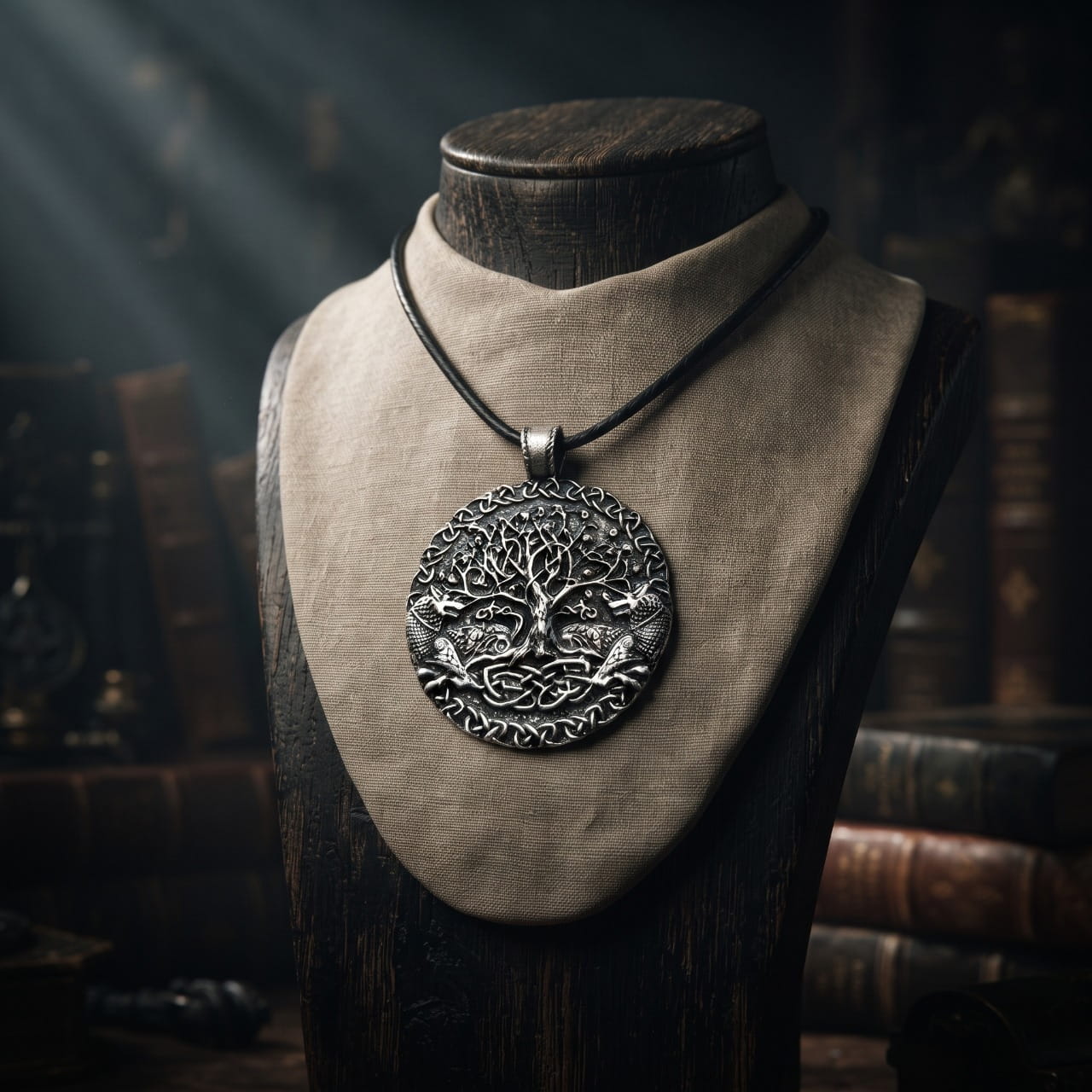
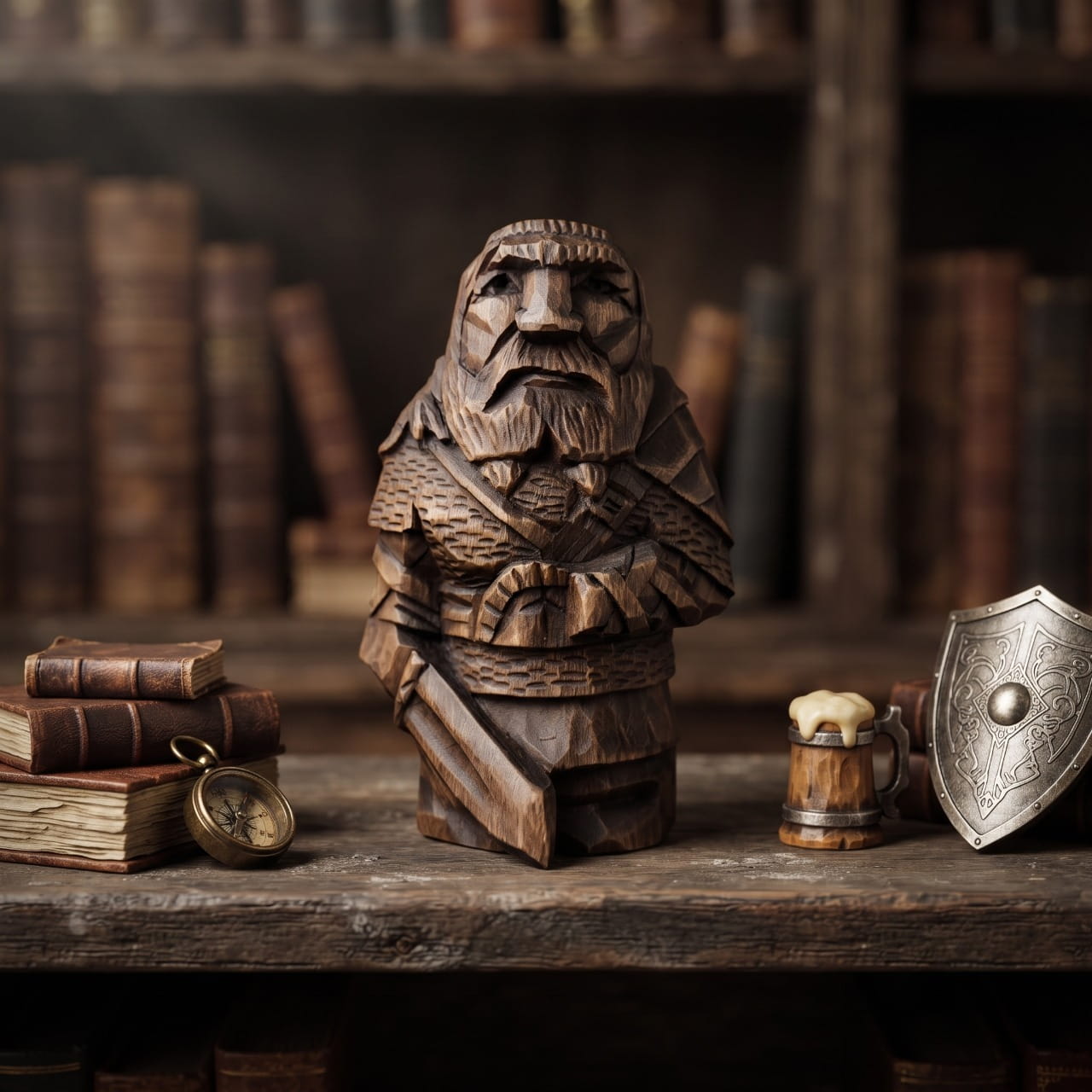
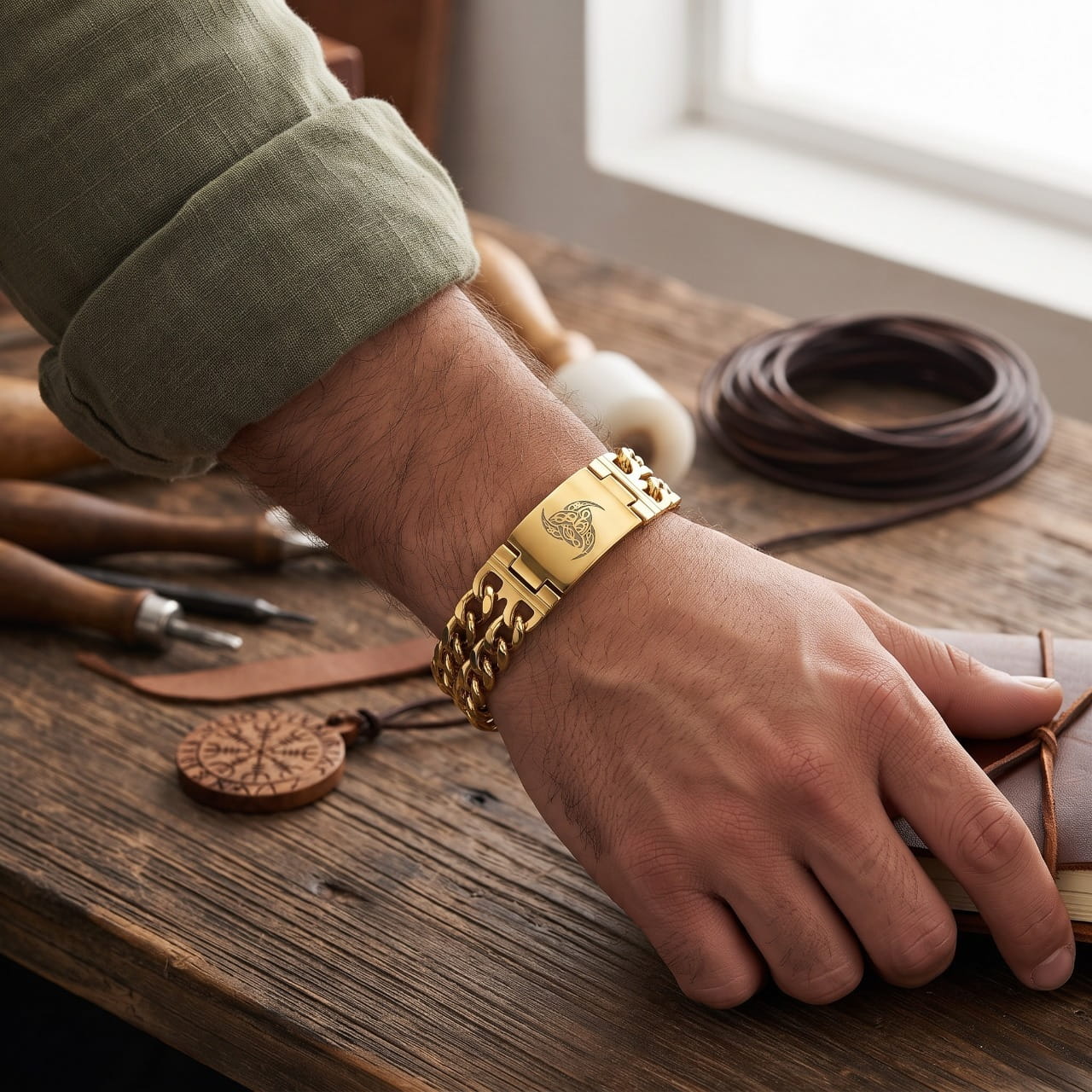
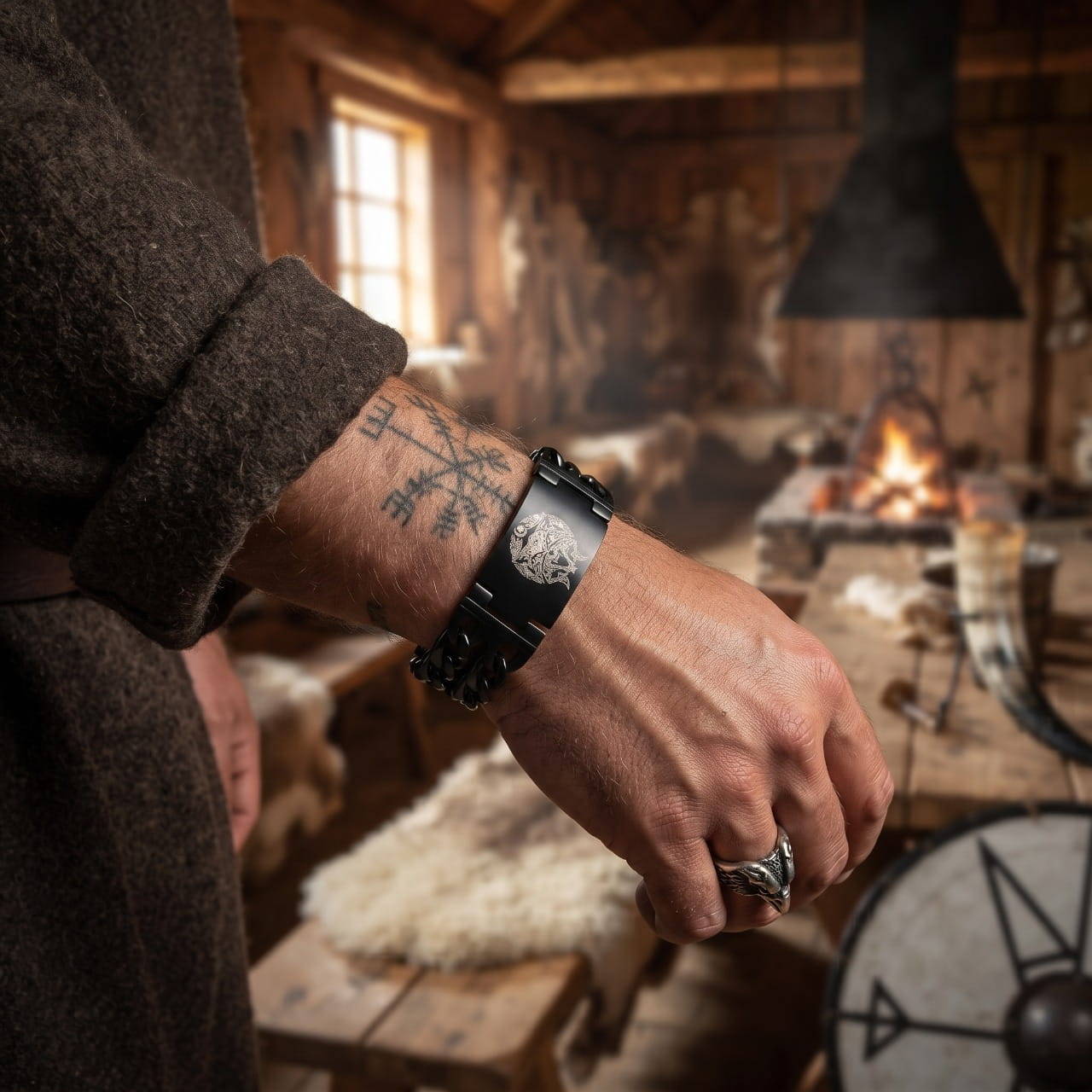
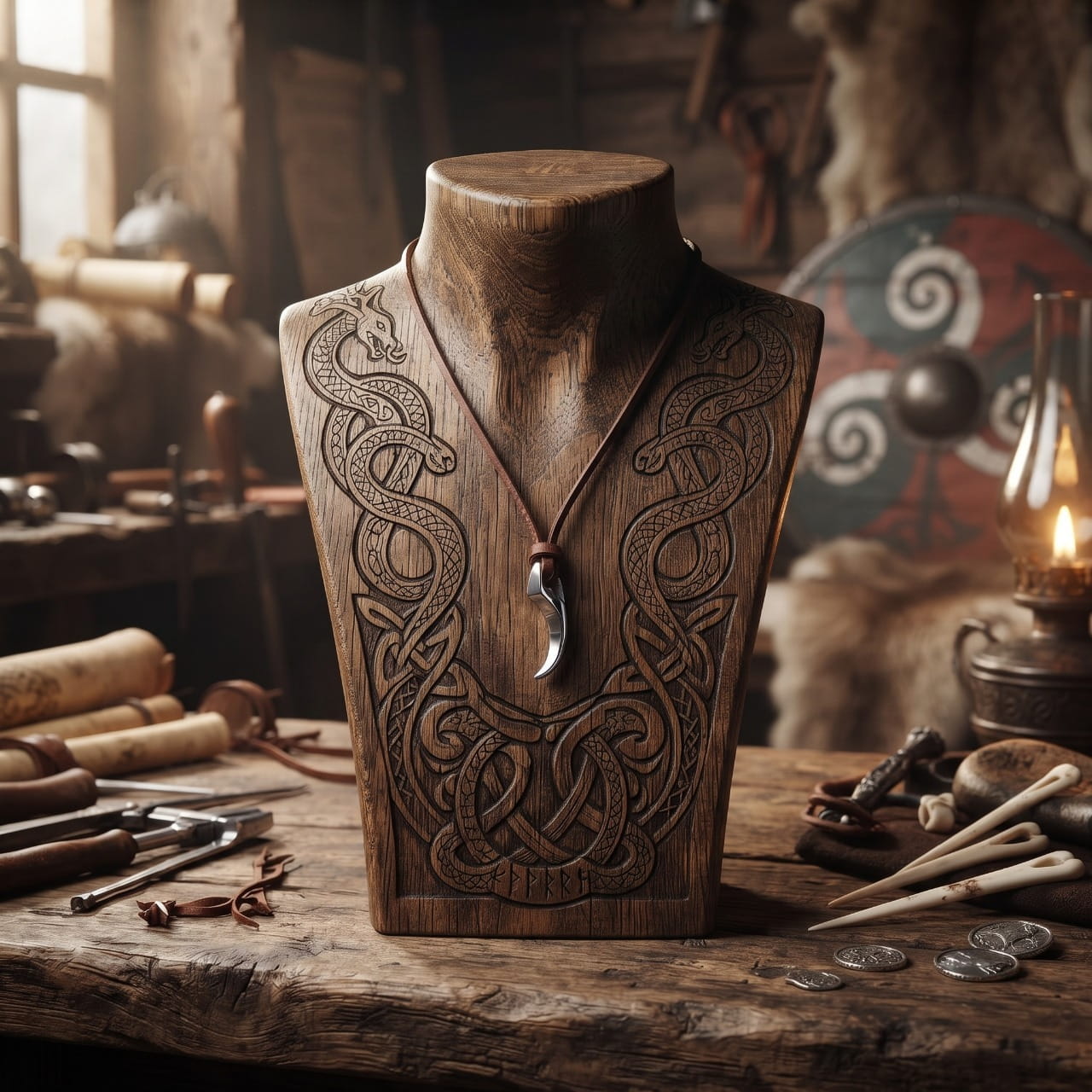
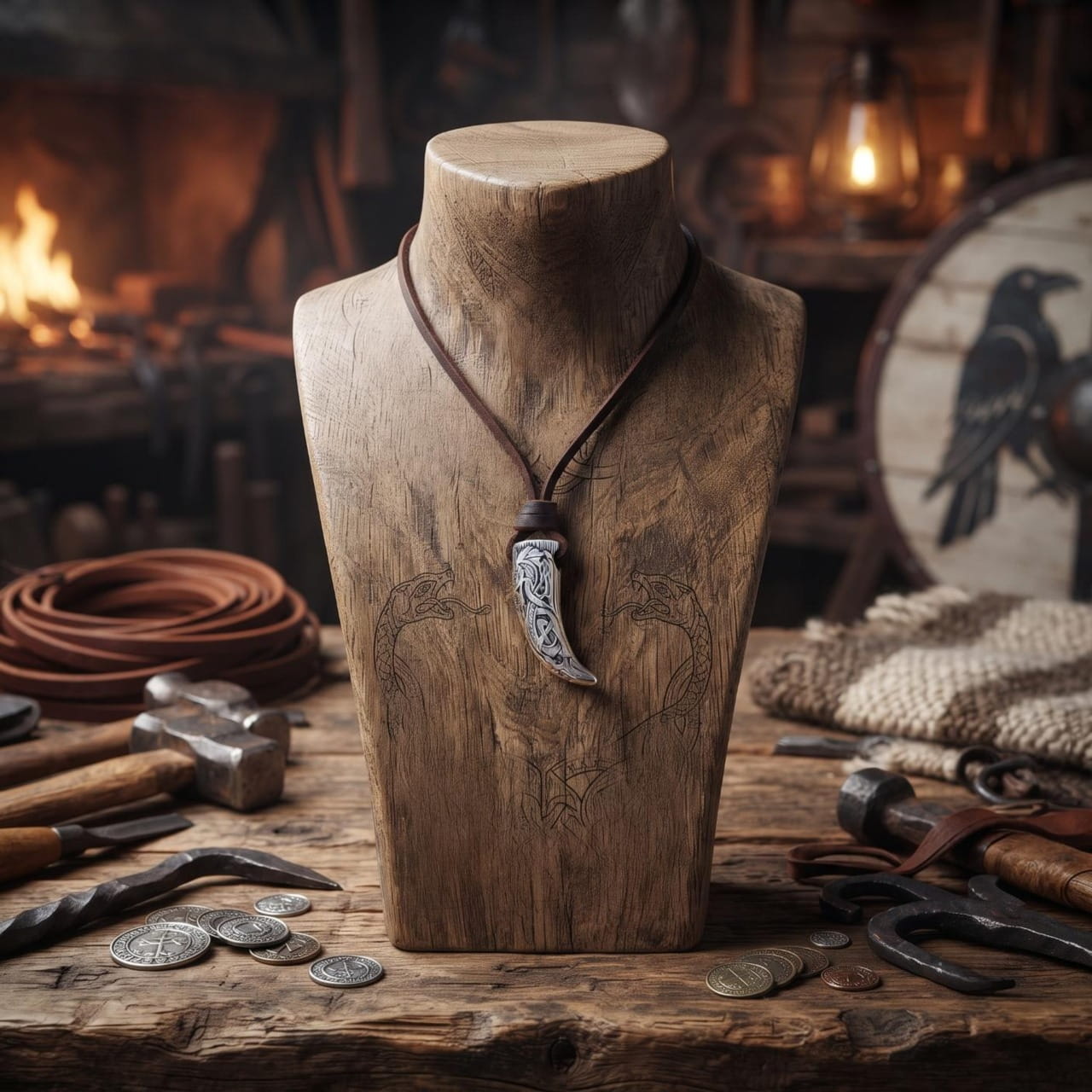
Fenrir Wolf — The Chained Beast — en savoir plus
Fenrir is the wolf the gods raised themselves, then had to chain once they understood what he would become. He is one of the darkest figures in the Norse pantheon, and one of the best told: Snorri devotes several pages of rare precision to him.
The wolf in our shop, format by format
The wolf lends itself to pendants and to substantial objects: it is a motif of volume, not of delicacy.
| Format | What for |
|---|---|
| Necklaces | Wolf head, the benchmark format |
| Statues | Desk, shelf, display cabinet |
| Wall plaques | The wall, in a small format |
| Rings | Signet rings with a sculpted head |
| Bracelets | Bangles with facing heads |
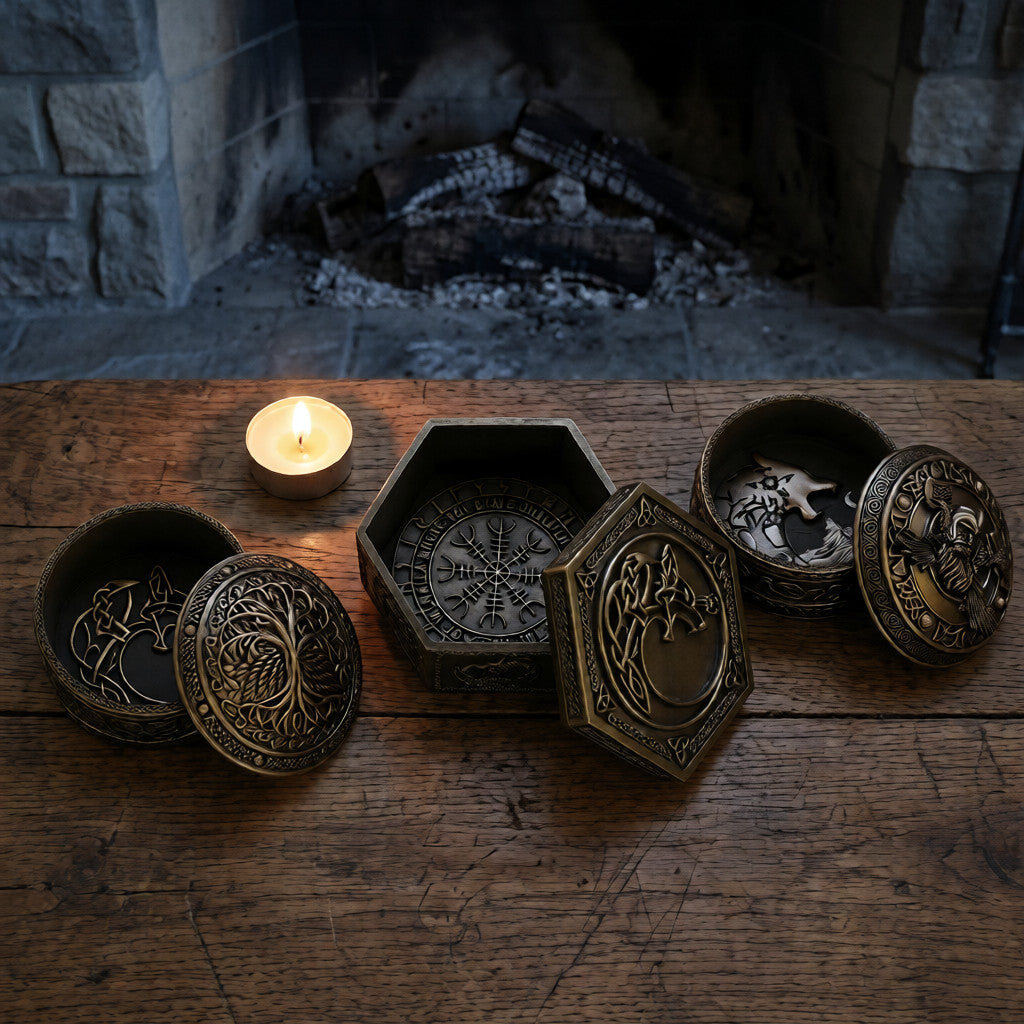
| Jewelry box | Engraved storage |
The wolf-head necklace clearly dominates the collection. That makes sense: the motif needs relief to come alive, and the pendant is the format that offers the most of it for the price. See our Viking necklaces for the full range.
What the texts tell
Fenrir is the son of Loki and the giantess Angrboða. He has two siblings worthy of the family: Jörmungandr, the serpent that encircles the world, and Hel, who rules over the dead.
Warned by a prophecy, Odin has the three children brought to Ásgard. He throws the serpent into the sea, sends Hel to the underworld, and decides to keep the wolf among the gods so he can watch over him. The cub grows fast. Very fast. Soon only one god still dares to bring him his food: Týr.
Fenrir, in detail
The price of a hand
The gods try to bind him under the guise of a game. They forge a chain, Leyding, and invite the wolf to test his strength: he breaks it at the first try. They make a second, Dromi, twice as strong: he shatters it too, with one heave of his back.
They then turn to the dwarves of Svartálfaheim, who forge Gleipnir, a fetter as thin and supple as a silk ribbon, made of six things that do not exist: the sound of a cat's footstep, a woman's beard, the roots of a mountain, the sinews of a bear, the breath of a fish and the spittle of a bird. That is why, Snorri explains, none of these six things can be found in the world anymore.
Fenrir suspects a trap. He accepts the fetter on one condition: that a god place his hand in his jaws as a pledge of good faith. Silence falls over the assembly. Only Týr steps forward. When the wolf realizes he can no longer break free, he snaps his jaws shut. Týr loses his right hand — the hand of the oath.
What becomes of him once bound
The gods pass a cord through Gleipnir, run it through a rock driven into the ground and secure the whole thing with a slab. The wolf snaps at empty air; they thrust a sword into his mouth, the hilt against the lower jaw, the point against the palate.
From his jaws, held open in this way, drool flows endlessly and forms a river, the Ván — “hope”. Fenrir takes another of his names from it, Vánagandr, the monster of the river Ván. He waits there until Ragnarök.
The end, and the revenge
At Ragnarök, Fenrir breaks his bonds. The Völuspá describes him with gaping jaws, the lower jaw against the earth and the upper against the sky, advancing with eyes and nostrils ablaze. He devours Odin.
Revenge falls to Víðarr, Odin's silent son, who sets a foot on the wolf's lower jaw and tears his mouth apart. His shoe, Snorri explains, is made of all the scraps of leather that men have trimmed from the toes and heels of their shoes since the beginning of time — which is why he advises throwing those scraps away rather than keeping them, if you want to help the gods.
Not to be confused with Geri and Freki
Odin has two wolves of his own: Geri and Freki, “the Greedy” and “the Ravenous”. They stay at his feet in the hall of Valhalla, and the Grímnismál specifies that Odin gives them all his meat — he himself lives on wine alone. These two are loyal companions.
Fenrir, on the other hand, is his foretold killer. Three wolves in the texts, two exactly opposite roles. A piece showing two symmetrical wolves rather evokes Geri and Freki; a single, menacing head evokes Fenrir.
His sons chase the sun
Fenrir's offspring inherit his role. Sköll chases the sun, Hati chases the moon, and their pursuit explains why the heavenly bodies cross the sky without ever stopping. At Ragnarök, they finally catch them and swallow them. Eclipses, in this reading, are failed attempts.
The wolf in stone
Iconography confirms the place of the story. The Gosforth Cross, in Cumbria in England, carved in the 10th century on a Christian monument, shows a bound figure and a scene in which a figure forces open a beast's jaws with his foot — generally identified as Víðarr and Fenrir. The Tullstorp stone, in Scania, shows a large wolf beside a ship. The monster was therefore well present in imagery, not only in late Icelandic manuscripts.
Týr, or the cost of an oath
Týr's hand is not a picturesque detail: it is the heart of the story. Týr is the god of law, of the assembly and of the given word. His name is so old that it originally designated the Indo-European sky god — the same root as Zeus and the Latin deus — and it survives in our days of the week: Tuesday is Týr's day.
Placing your hand in the jaws of a wolf you are about to deceive means pledging your word while knowing you are betraying it. Týr knows he is going to lose his hand. He steps forward anyway, because the fetter must be put on. The god of the oath pays in his own flesh for the only oath he ever broke.
This is Norse mythology at its best: the gods never win cleanly. They win by losing something.
Recognizing a good piece
The Norse wolf is not a naturalistic wolfdog. In Scandinavian art, it is stylized: the fur is rendered with angular locks or knotwork, not individual hairs; the muzzle is short and broad; the fangs are pronounced. A hyperrealistic head belongs to modern fantasy imagery, which is not a flaw in itself but has nothing Norse about it.
Our materials
The jewelry is stainless steel, often blackened to deepen the fur — on uniformly polished metal, the locks get lost in the reflections and the head loses its relief.
The statues and some of the wall plaques are hand-painted resin, which allows modeling that cast metal could not achieve at this price. The jewelry box is engraved wood. No solid silver pieces in this collection.
Care
Steel: lukewarm water, mild soap, a soft toothbrush in the recesses of the fur, dry with a cloth. On blackened pieces, no polishing paste. The ridges of the locks naturally brighten with wear, which accentuates the relief rather than damaging it.
Painted resin: dry or barely damp cloth, never solvents or household cleaners, which would attack the paint. Wood: dry cloth, no immersion.
How to wear it
The wolf head is a massive motif: it needs a chain to match. A chain that is too fine under a thick pendant creates an unpleasant visual imbalance. Go for a medium chain, or a leather cord that embraces the raw look.
It is also a motif to wear on its own. Two animal heads on the same person — a wolf at the neck and a dragon on the finger — compete for attention. If you want to pair something with the wolf, choose a rune ring or a twisted bracelet, which stay in the background.
Giving a wolf as a gift
It is a gift that makes a statement. Fenrir is not a symbol of protection or wisdom: he is the force that can be neither destroyed nor reasoned with, only contained, and only for a time. Some people love it and others not at all — better to know the recipient.
For a gift with broader appeal, the world tree Yggdrasil suits everyone. To stay in the register of power but with a brighter reading, Thor's hammer is the obvious choice.
Frequently asked questions
Is Fenrir a negative symbol?
He is ambivalent, and that is the whole point. He embodies an untamable force, which reads as a threat from the gods' point of view and as free power from the point of view of the one who wears it. Both readings exist.
Wolf or Fenrir: how can you tell?
A lone wolf, head lowered or jaws open, evokes Fenrir. Two symmetrical wolves rather evoke Geri and Freki, Odin's companions. Two wolves chasing discs evoke Sköll and Hati, who run after the sun and the moon.
Are there still wolves in Scandinavia?
Yes. Nearly extinct in the 1960s, the Scandinavian population rebuilt itself from a few individuals that came from Finland and Russia. Today it numbers in the hundreds, mainly in Sweden and Norway, and is the subject of heated debate between livestock farmers and defenders of the species.
Why so many necklaces and so few other formats?
Because the motif needs relief. A wolf head engraved flat loses all its interest: it needs volume, shadows, modeling. The pendant and the statue are the two formats that allow this at a reasonable price, which explains the imbalance in the collection.
What size of wolf-head pendant?
Between 30 and 40 mm tall is the format that gives the modeling room to exist without becoming bulky. Below 25 mm, the fangs and the locks of fur visually close up and the head becomes a blob. Above 50 mm, you enter statement-piece territory, to be worn over a sweater or a jacket rather than under a shirt.
Is the wolf a masculine motif?
In practice it is the most masculine of our eight symbols, but nothing requires it to be. Reading the wolf as an untamed force has no gender, and the pieces are unisex. What changes is the format: a 40 mm head on a thick chain is a strong aesthetic choice, regardless of who wears it.
📖 To go further: our complete feature on Fenrir, our guide to Norse creatures, and the berserkers, the warriors said to wear animal skins.