
Filters
56 products
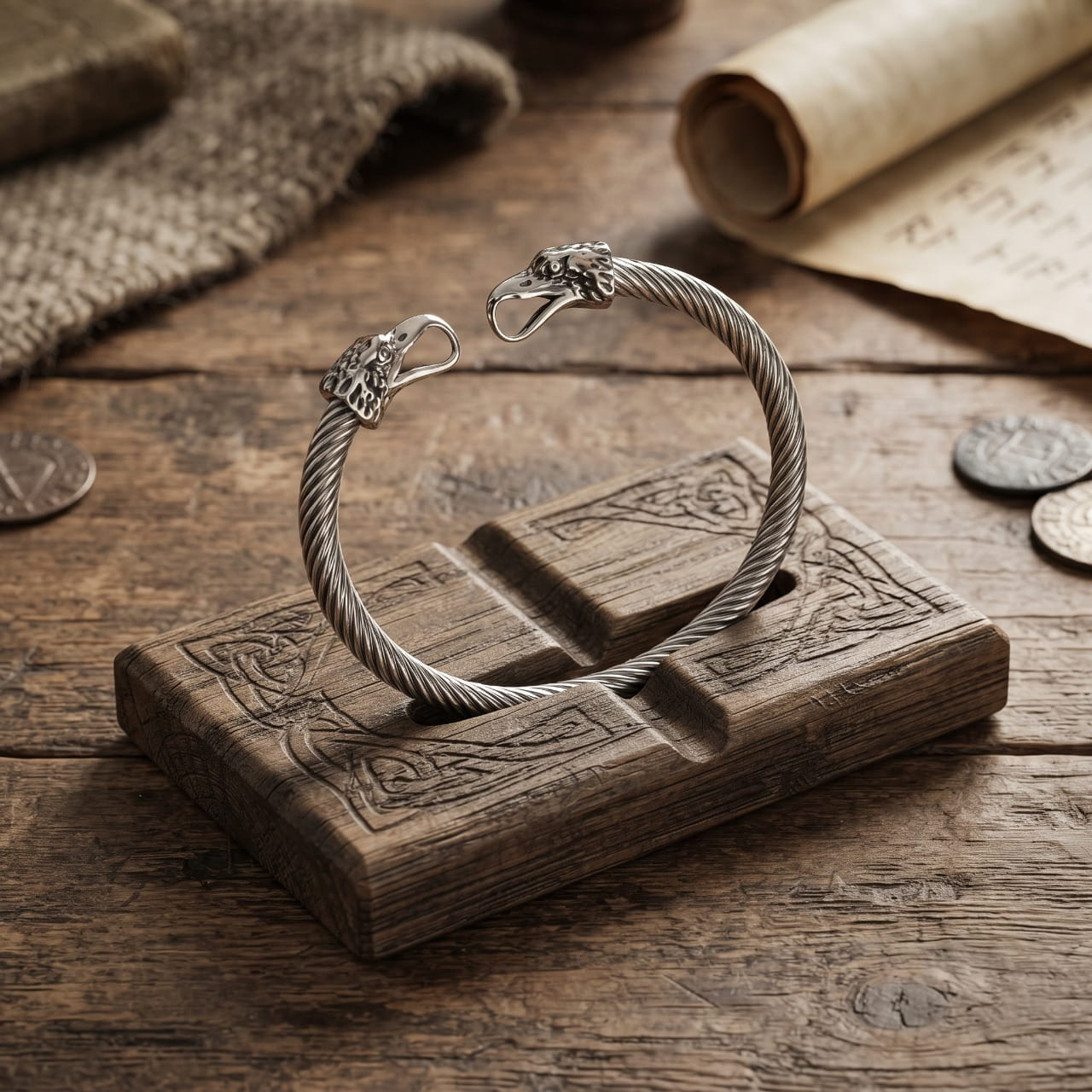
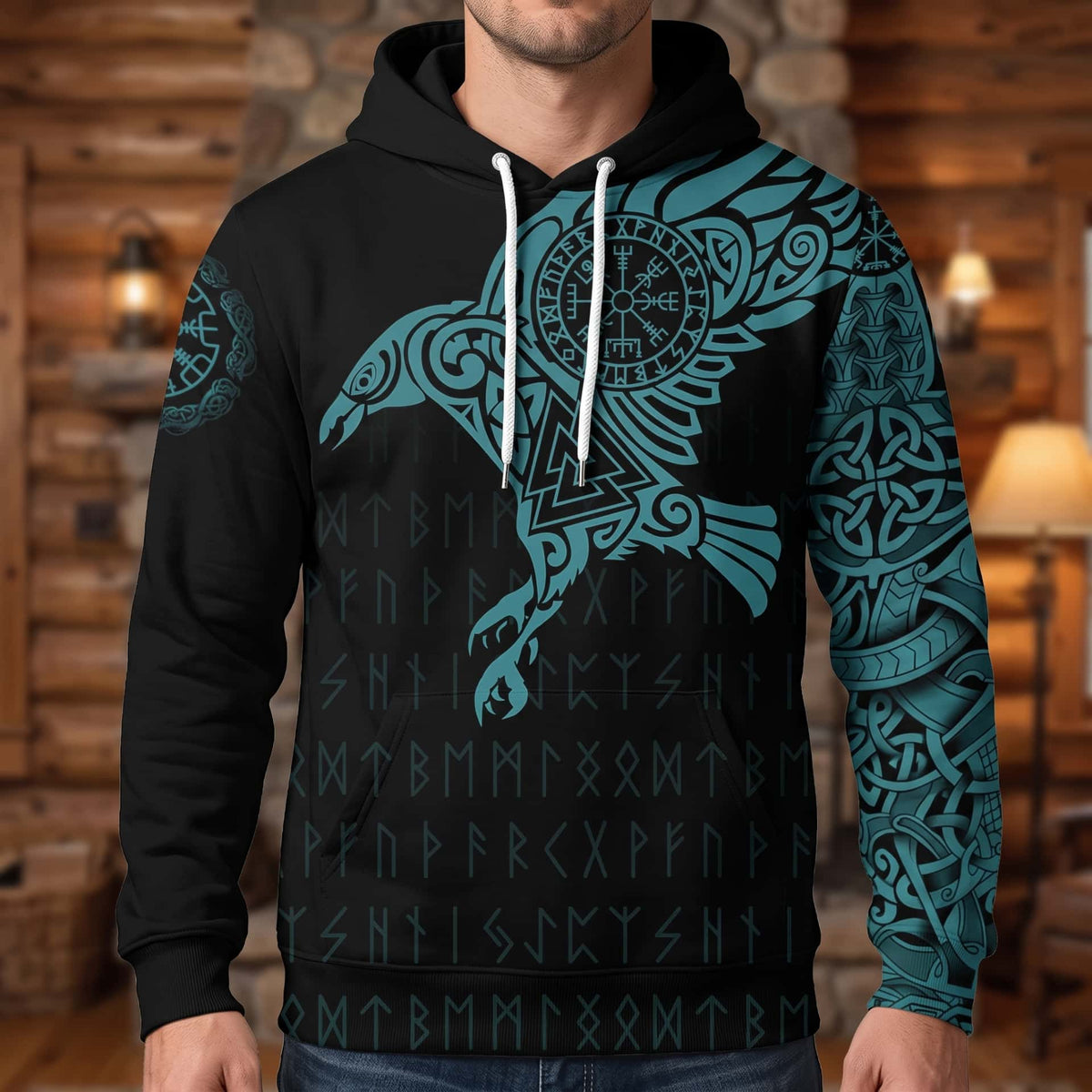
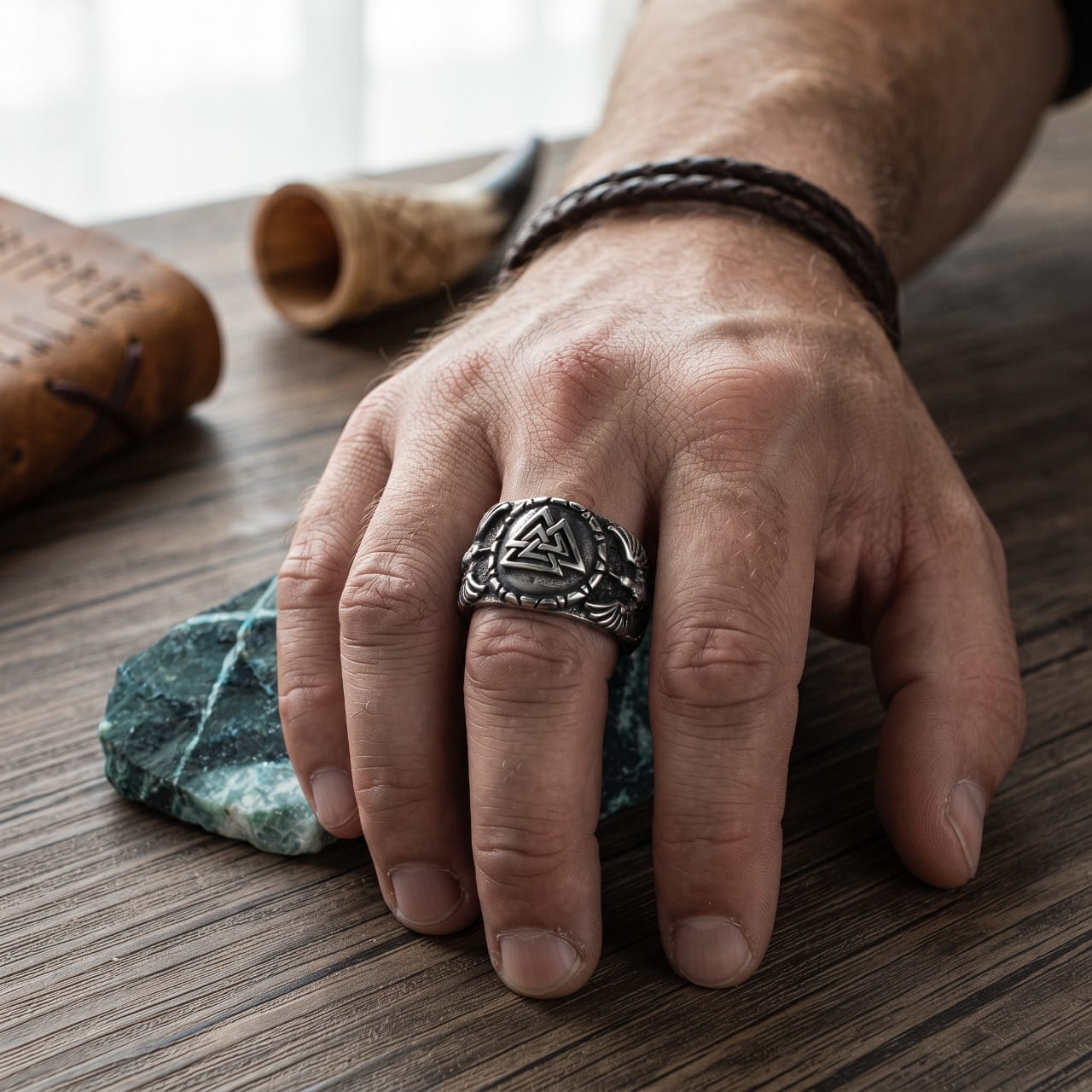
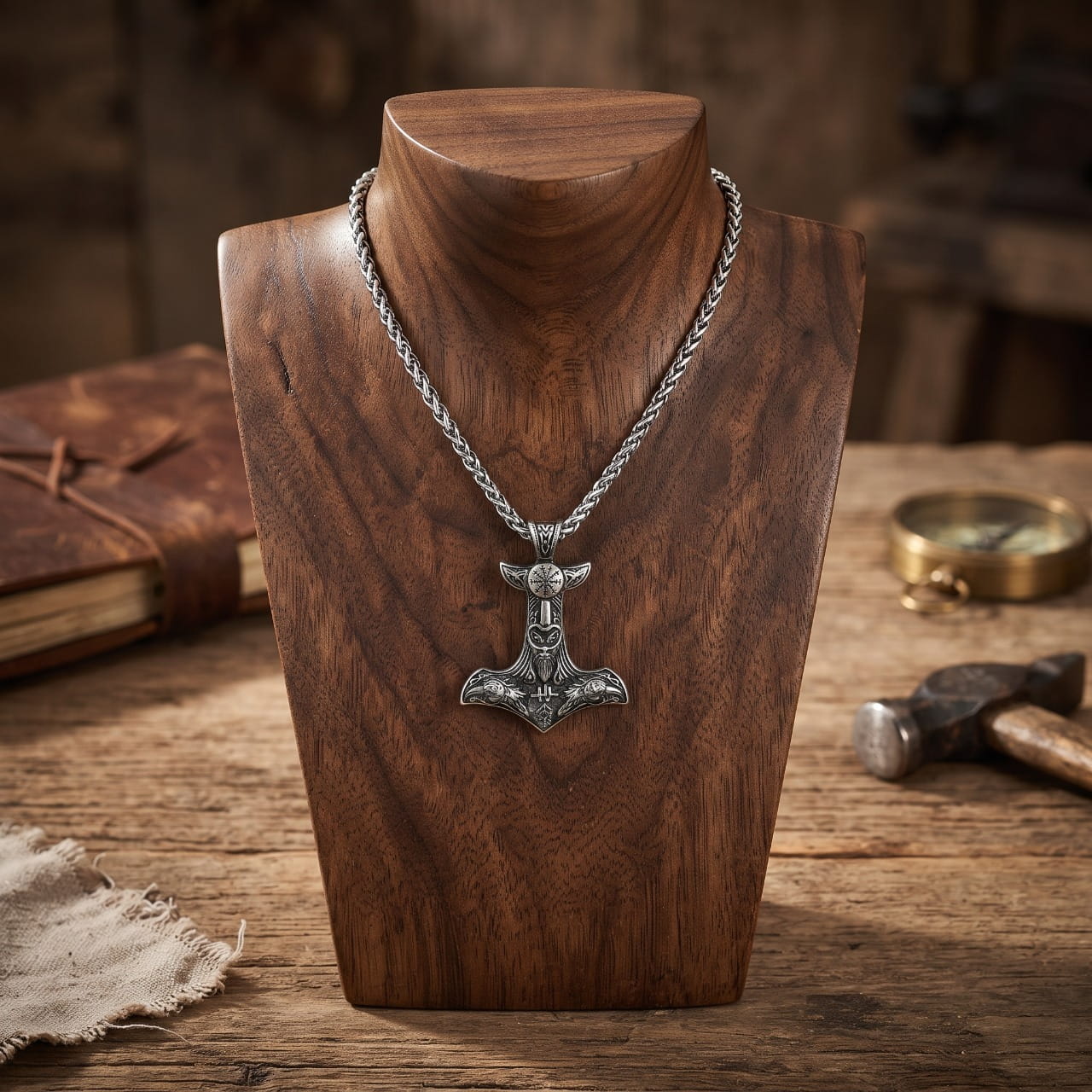
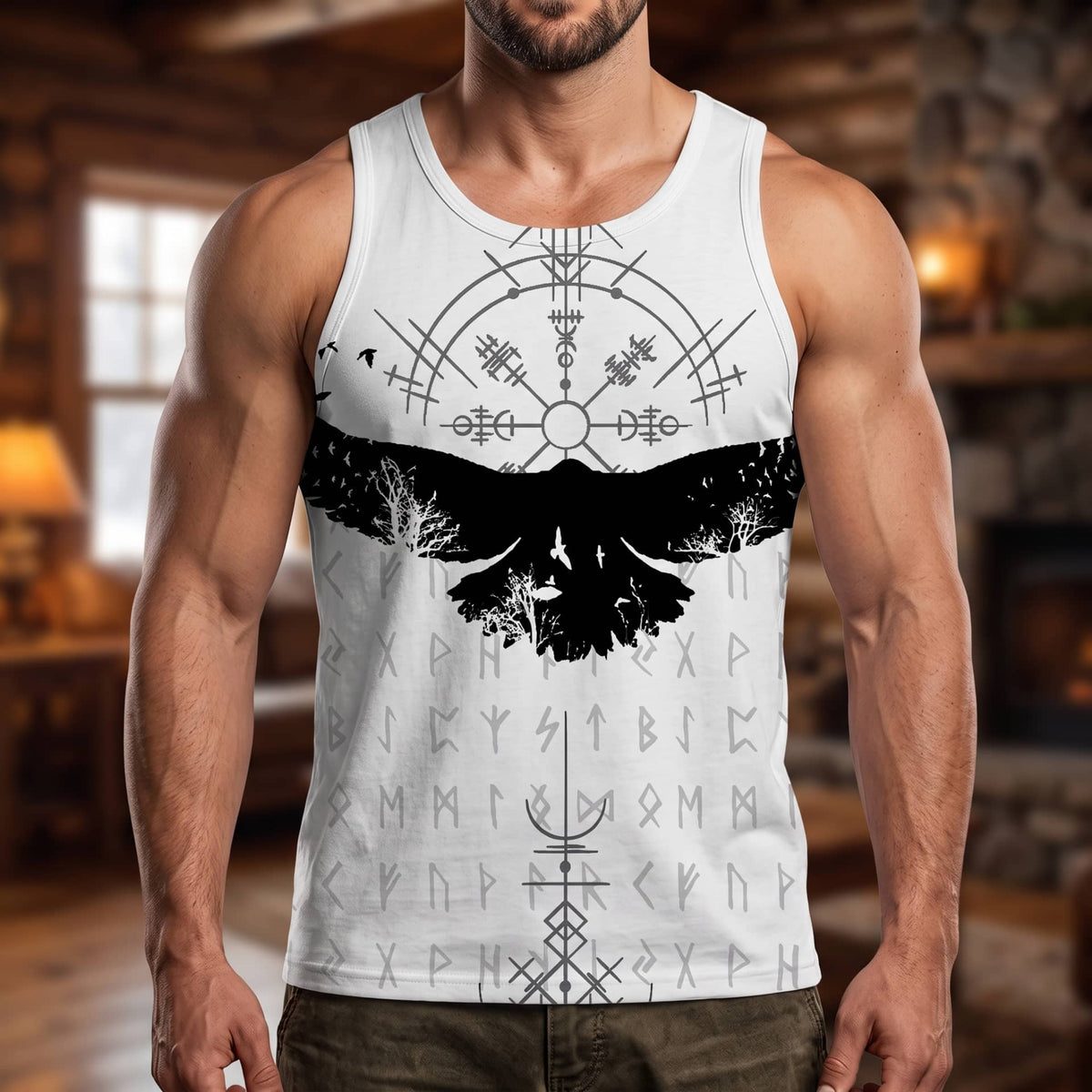
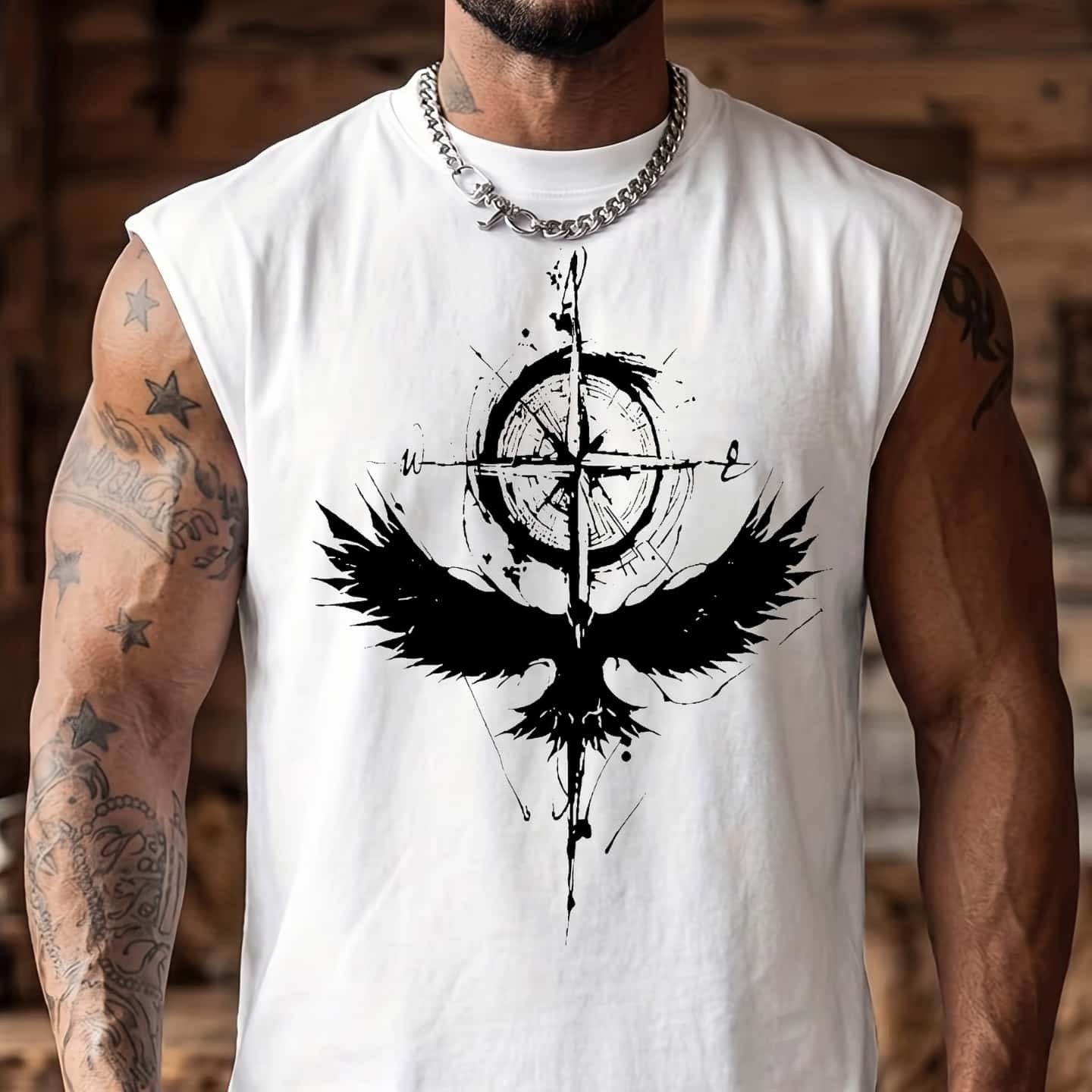
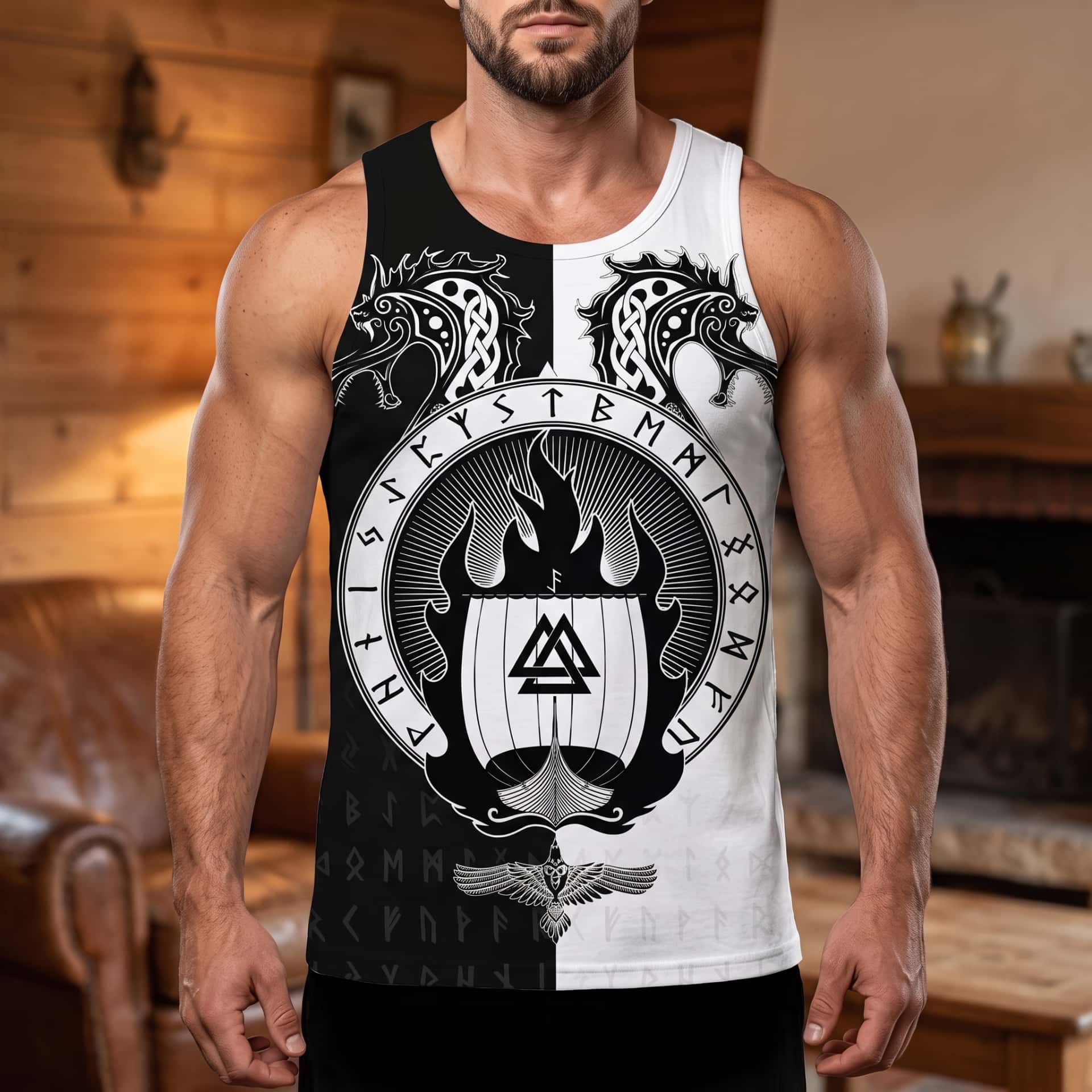
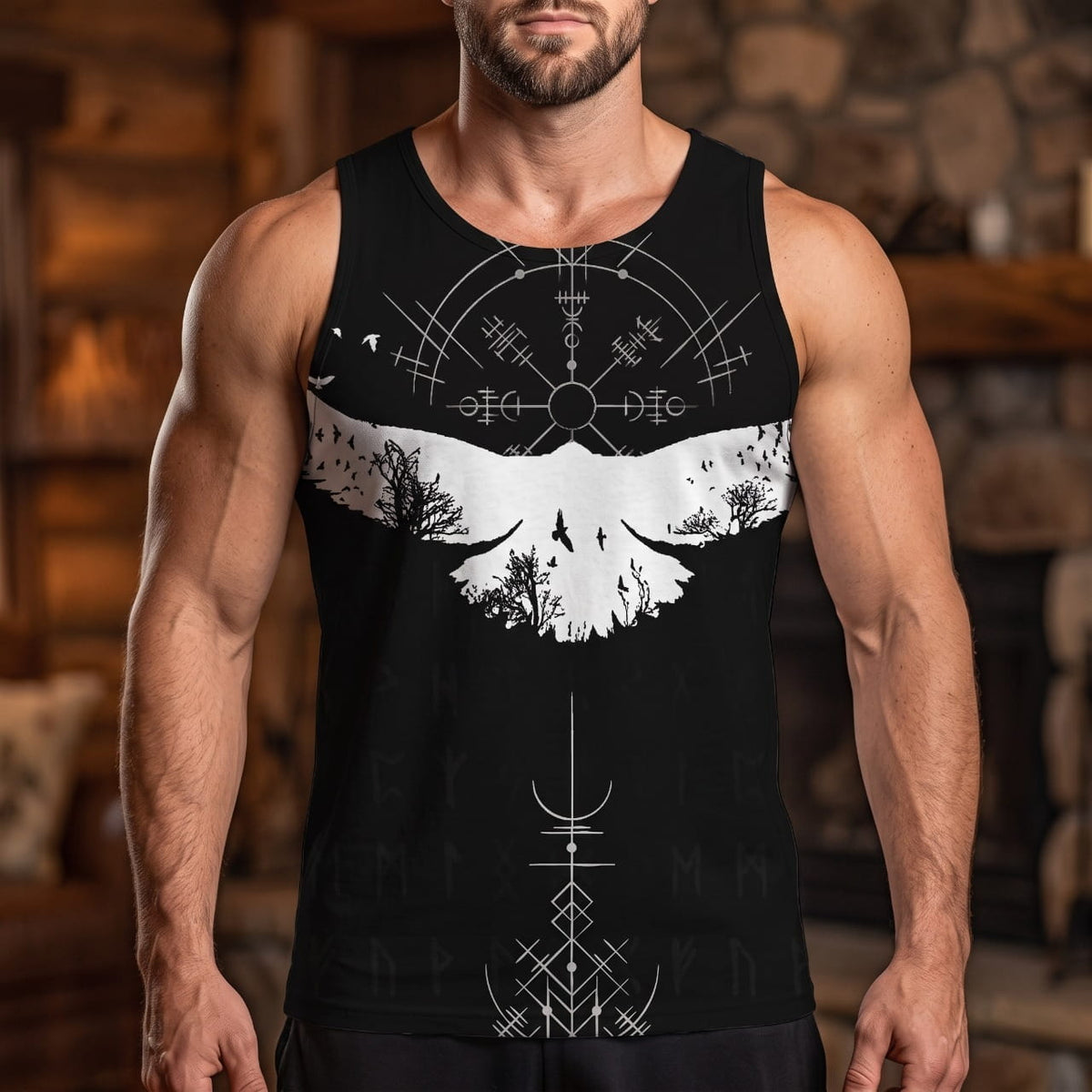
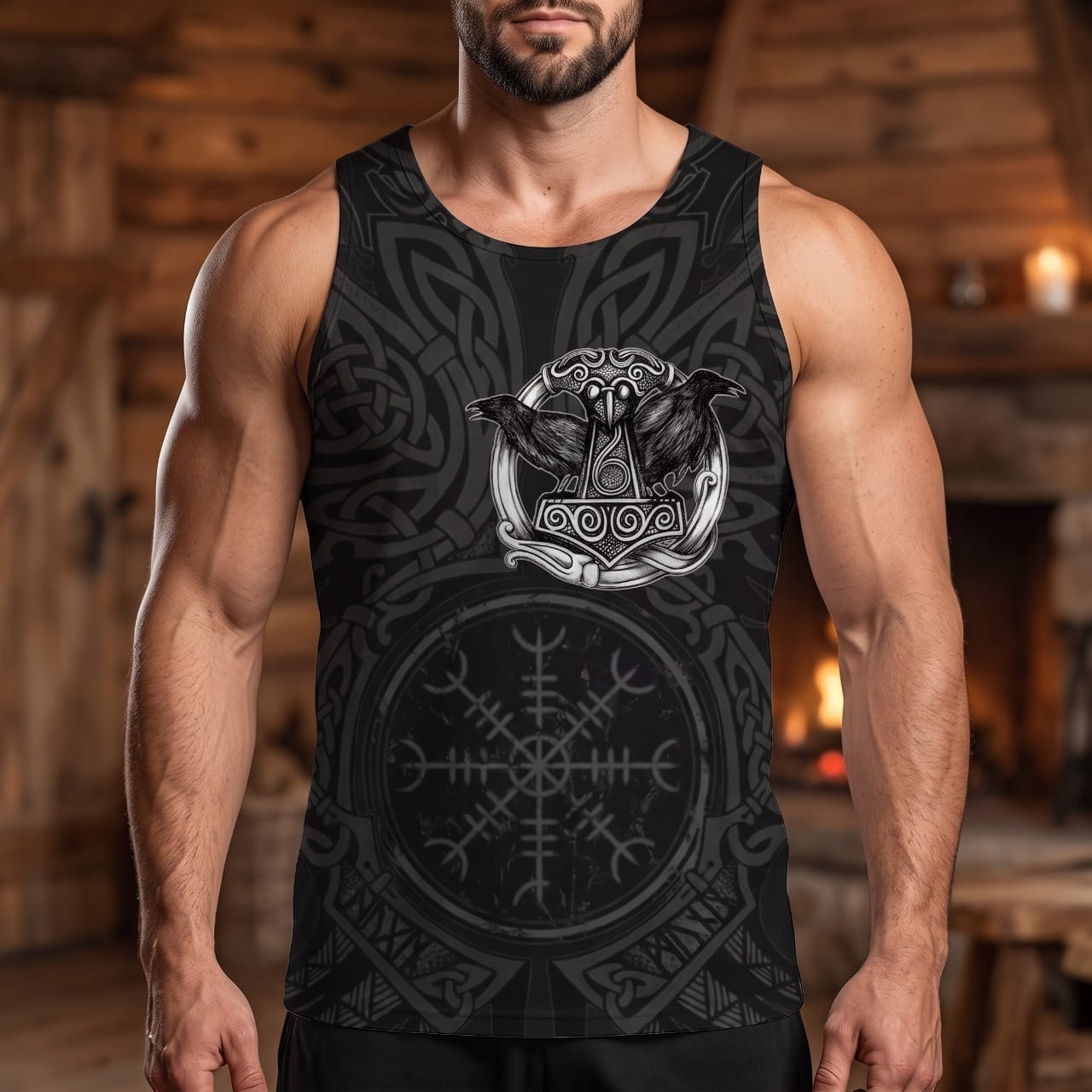
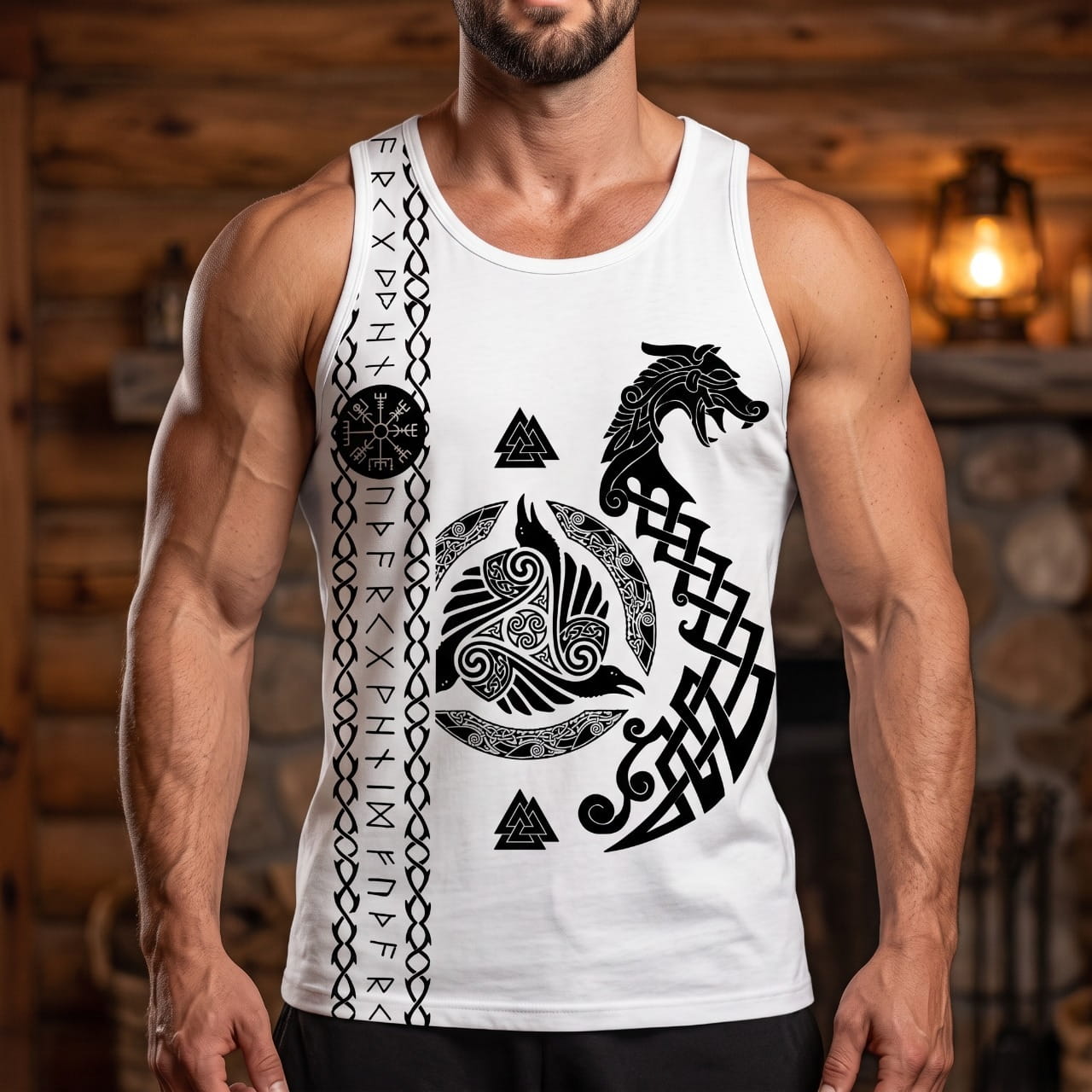
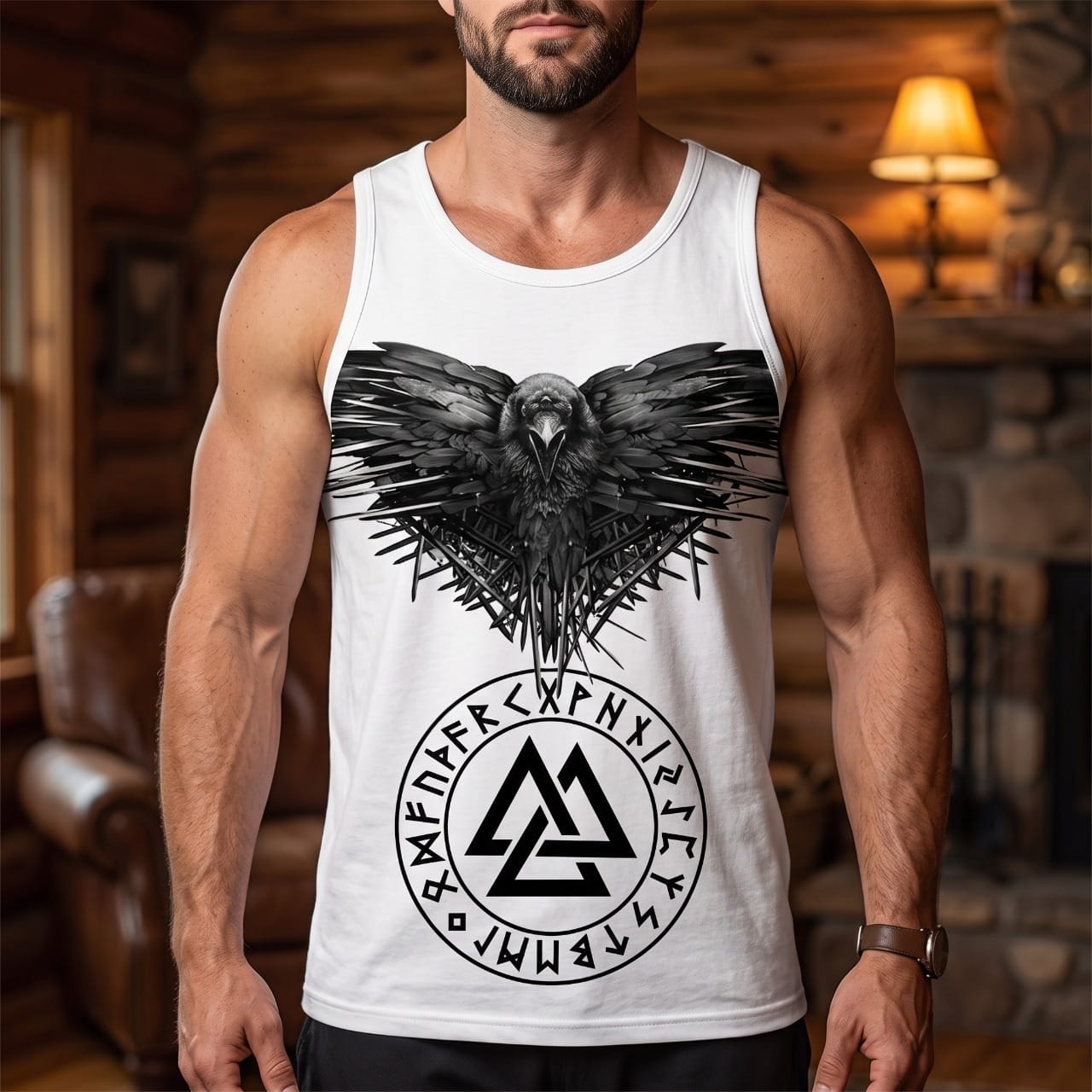
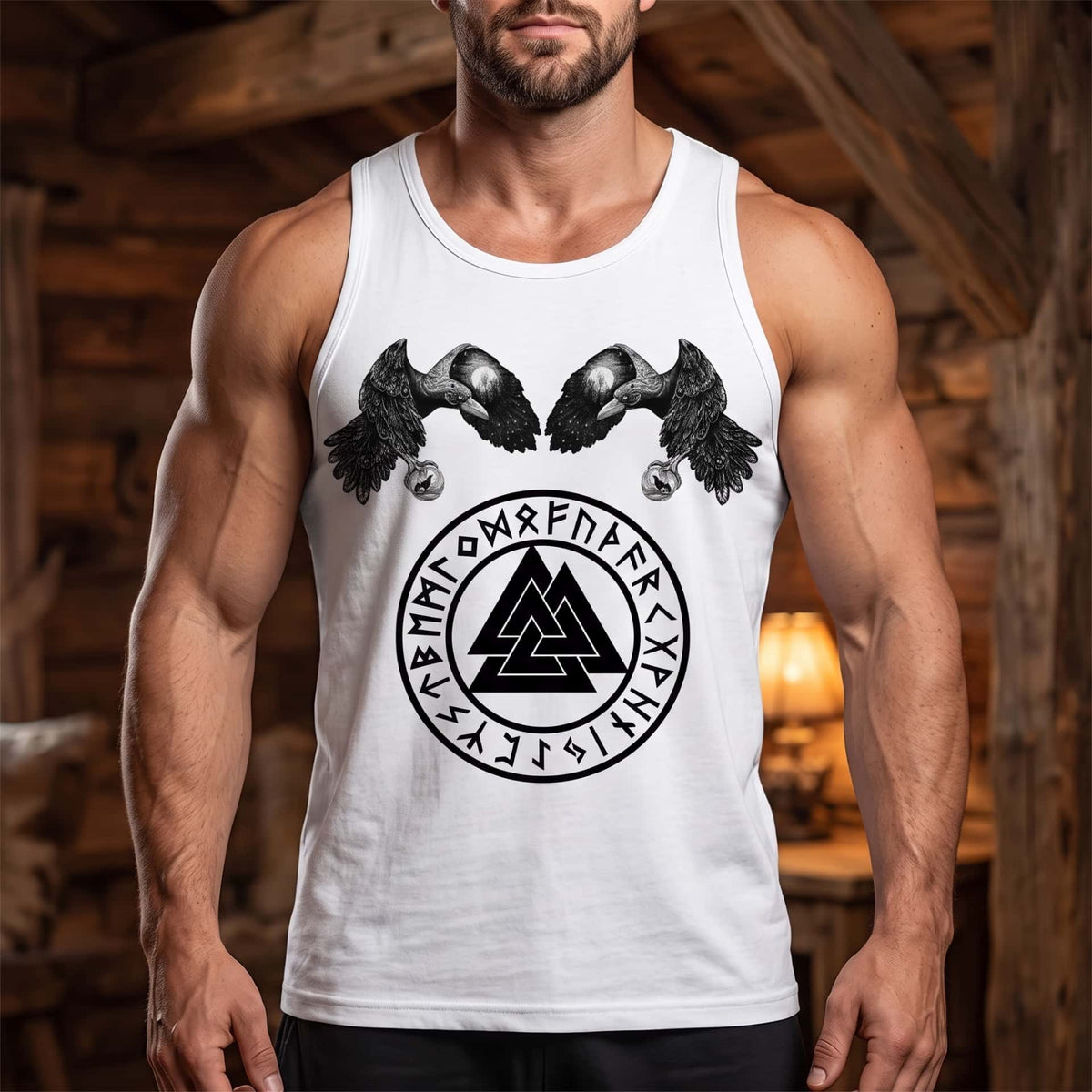
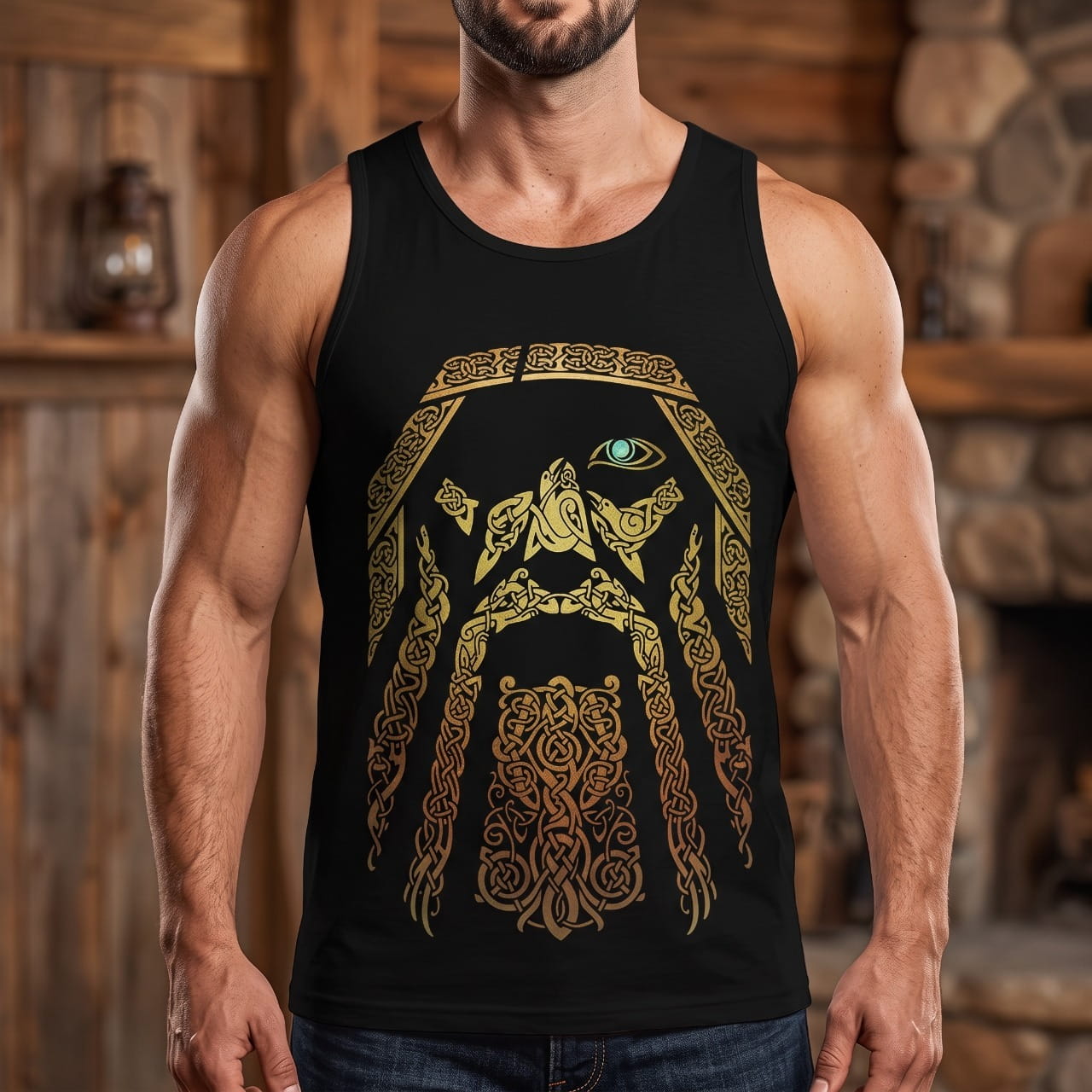
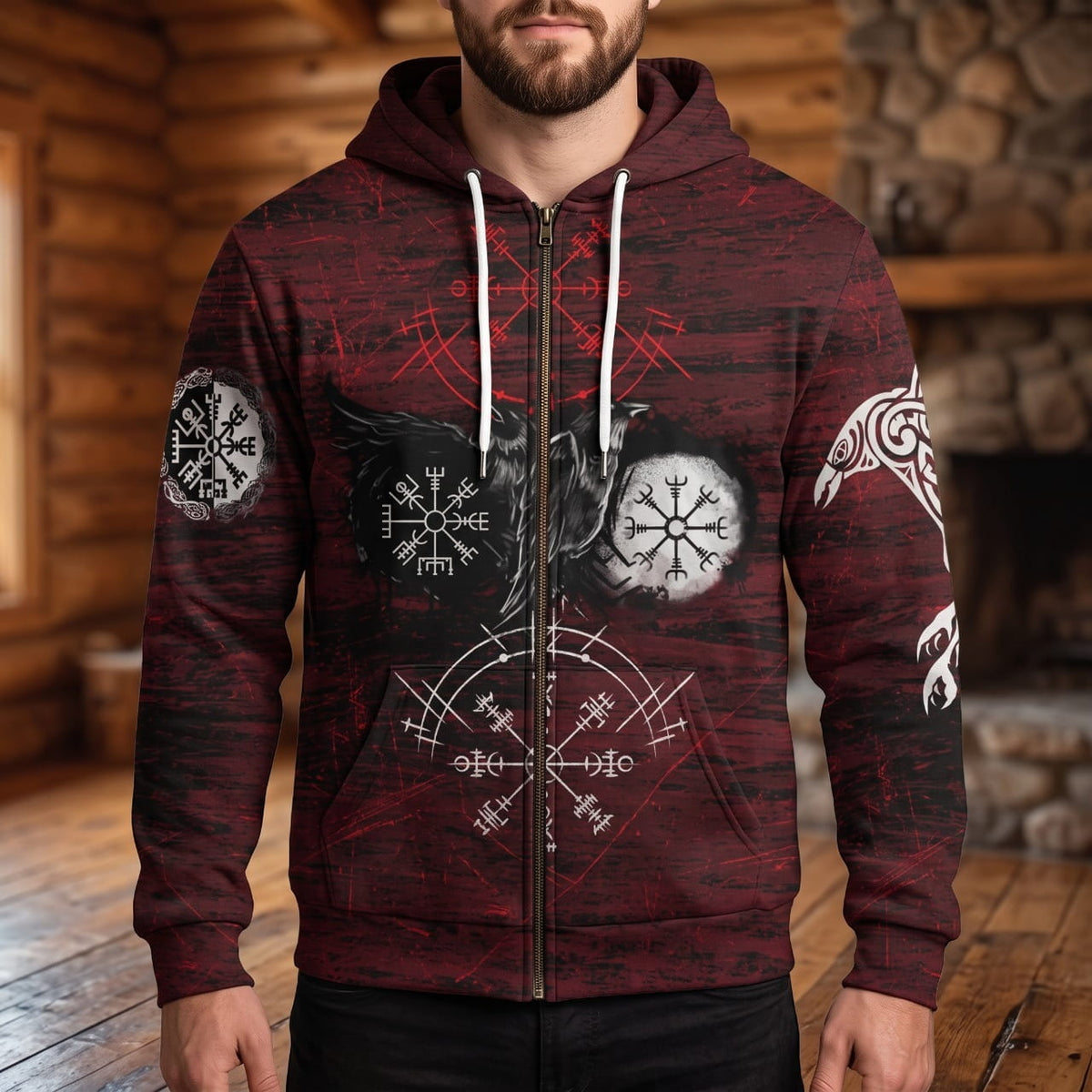
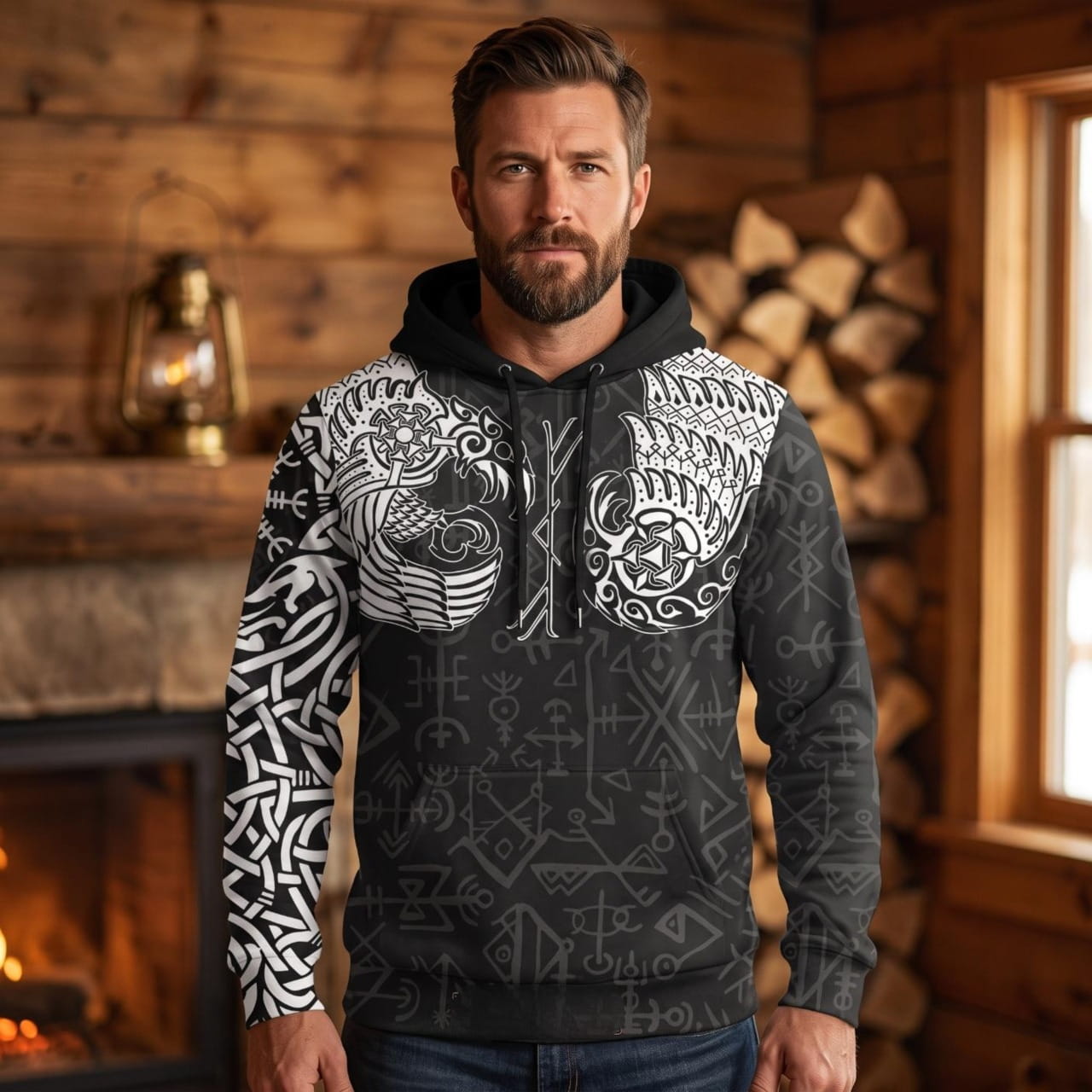
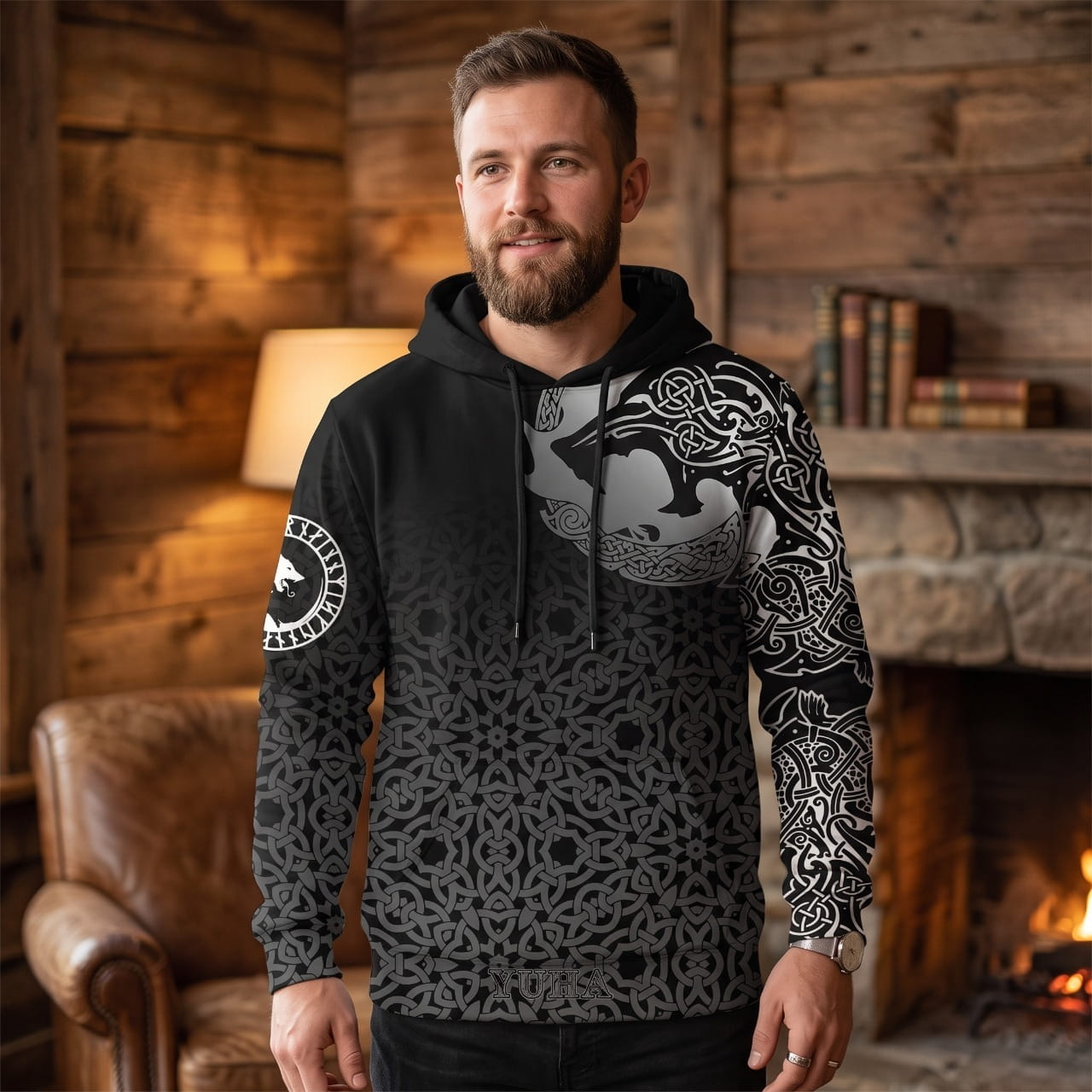
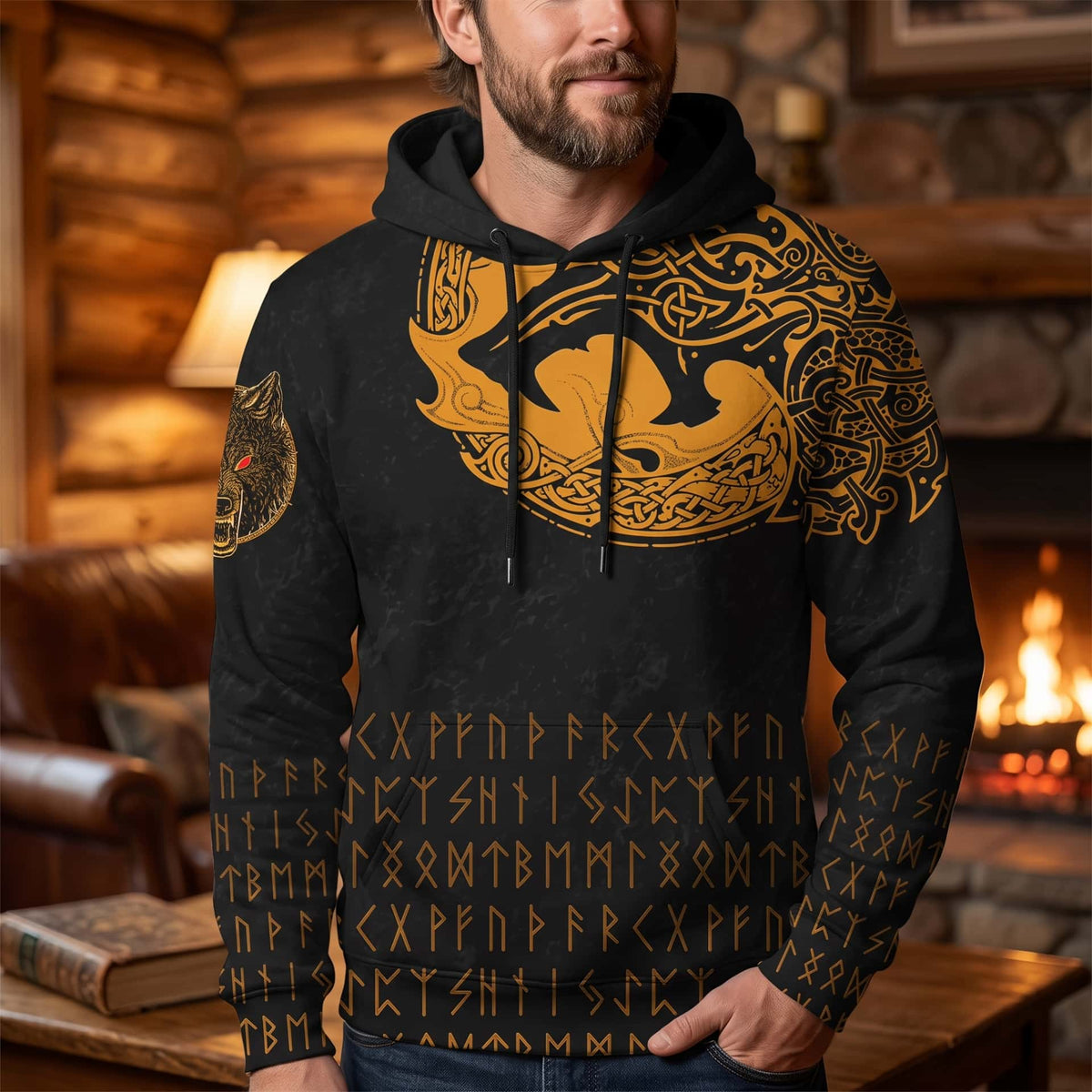
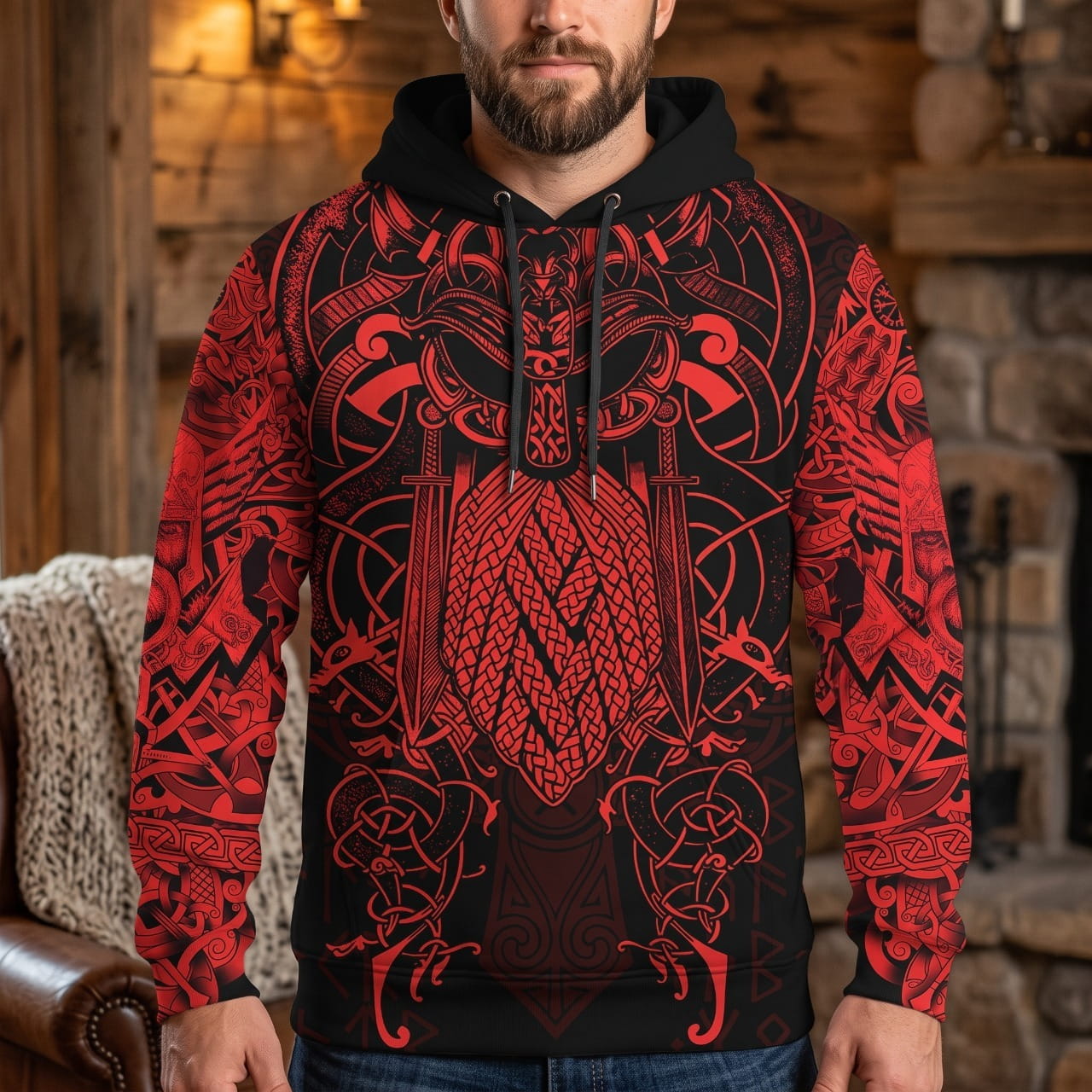
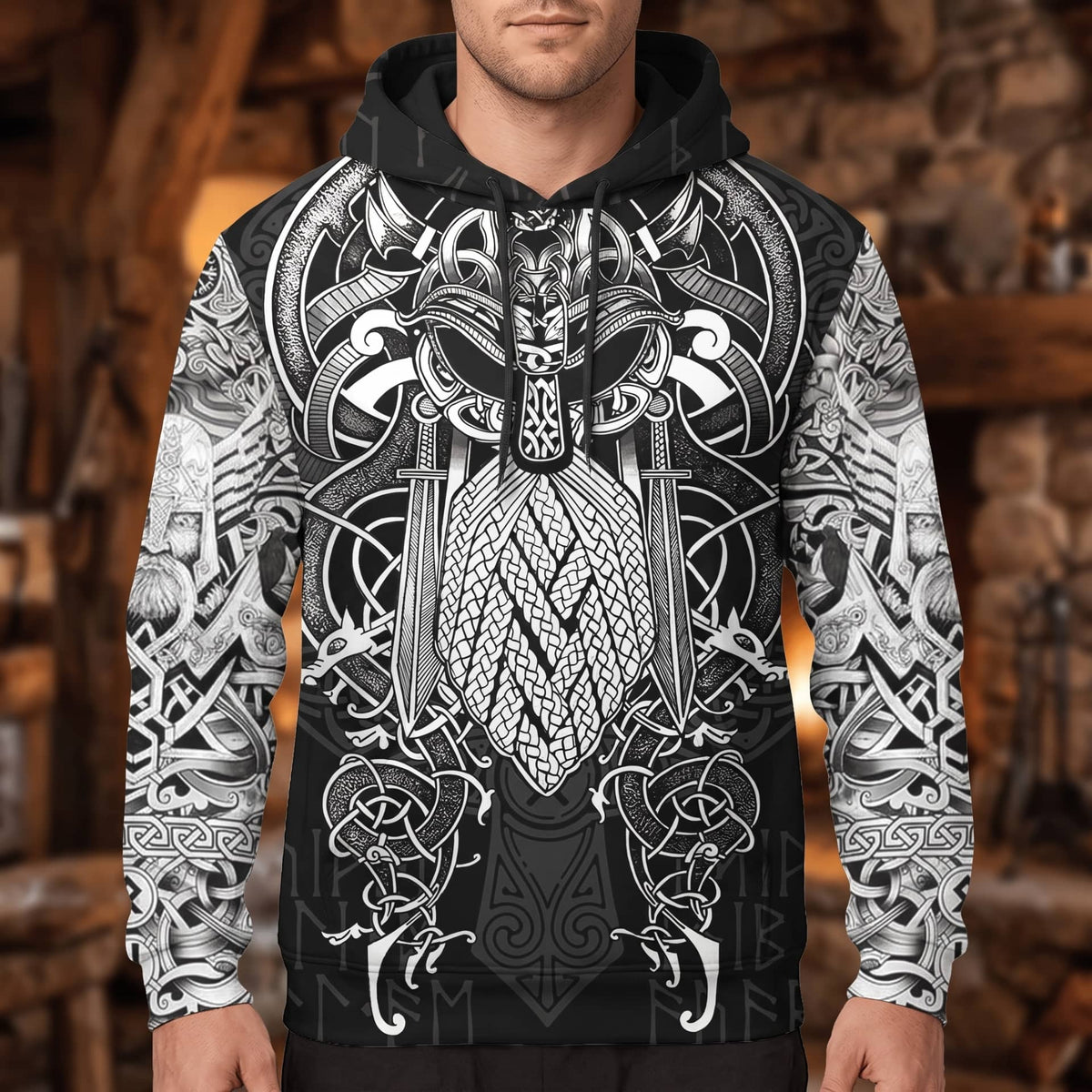
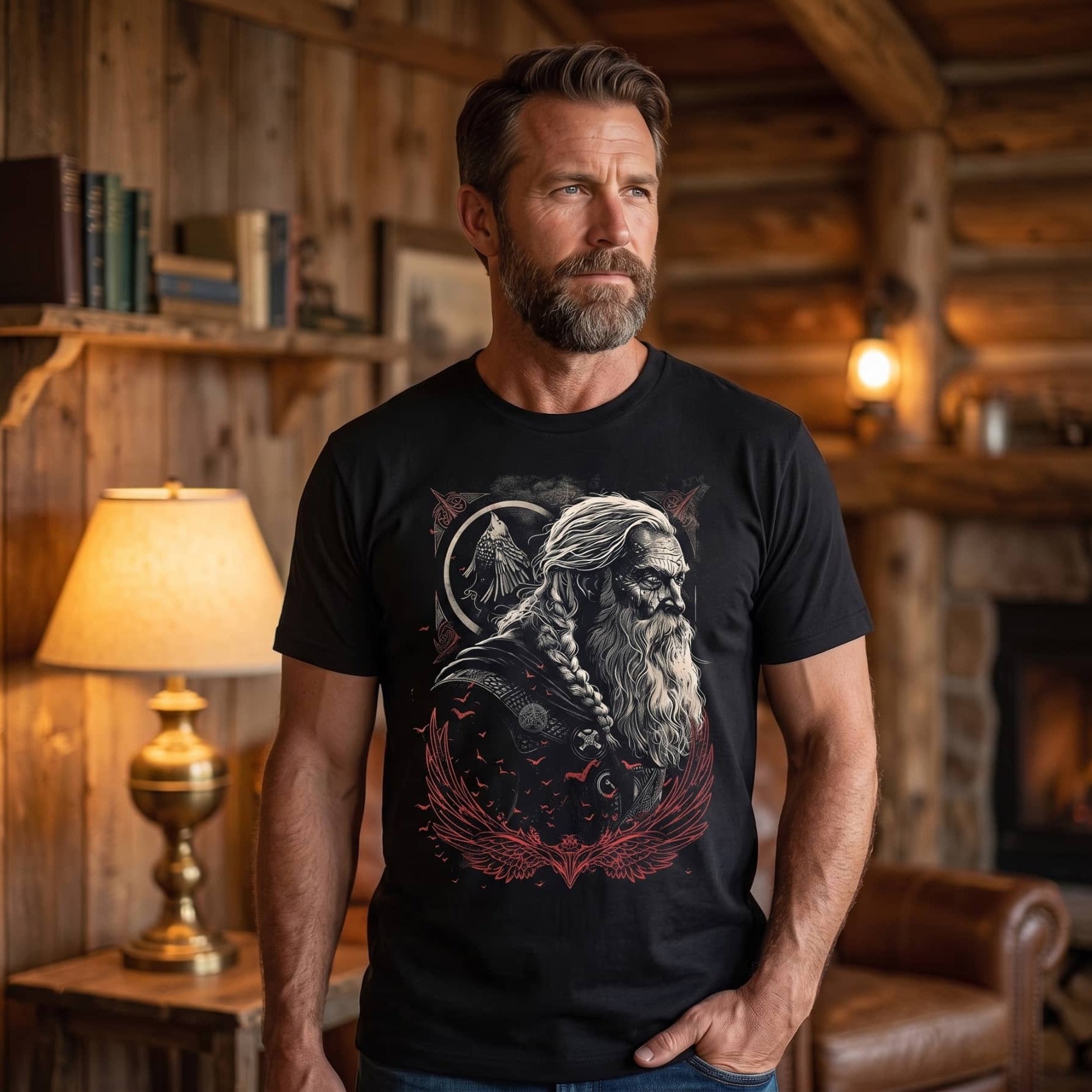
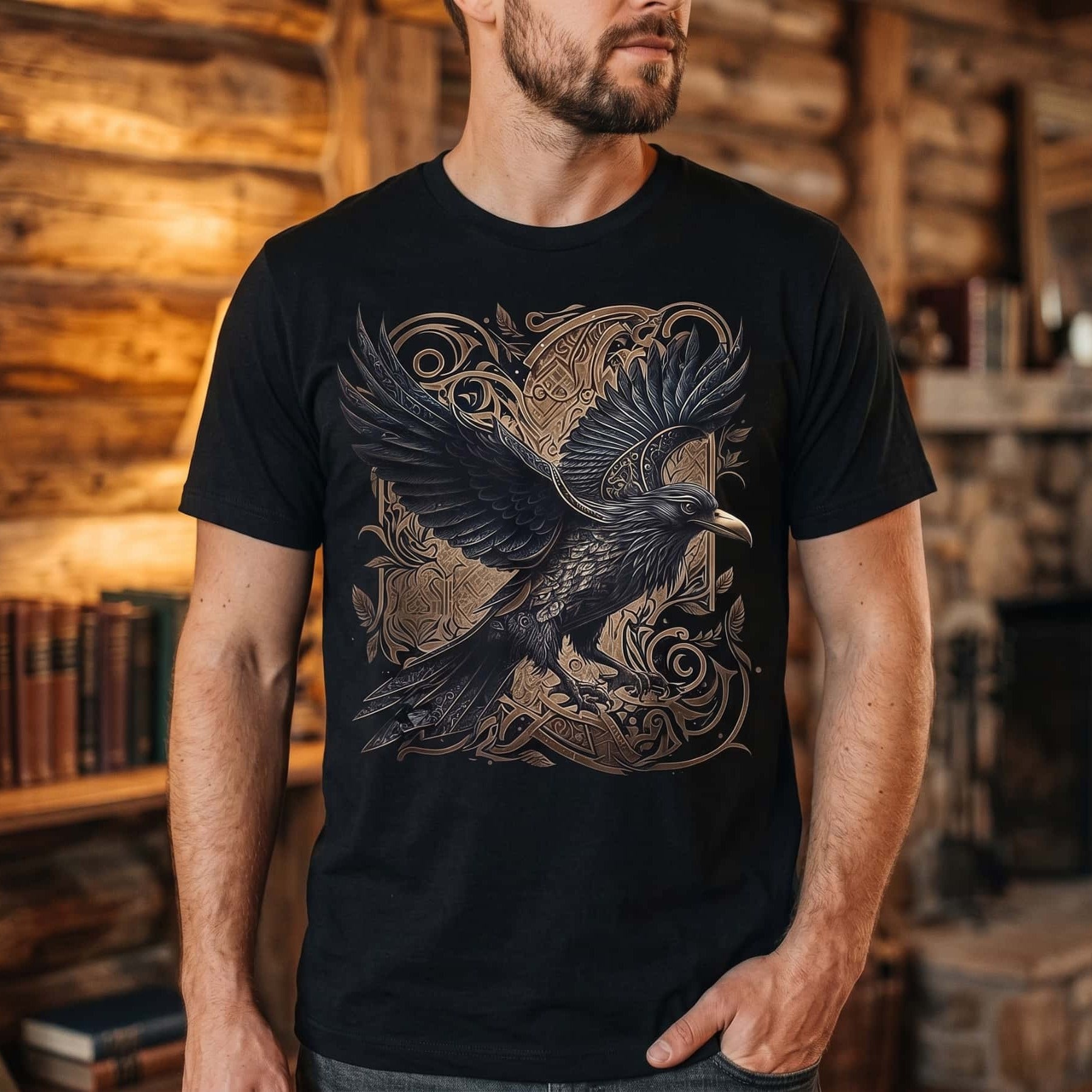
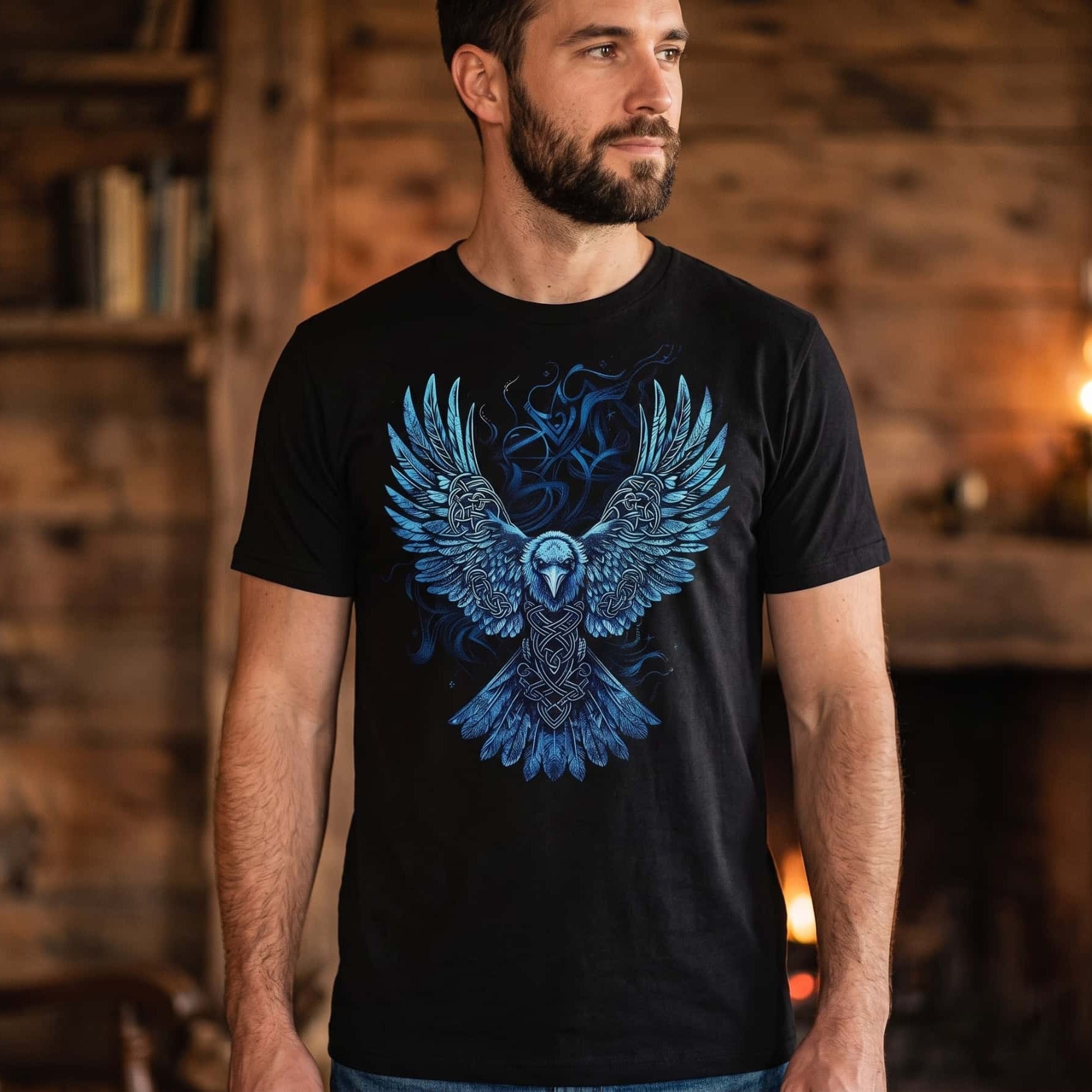
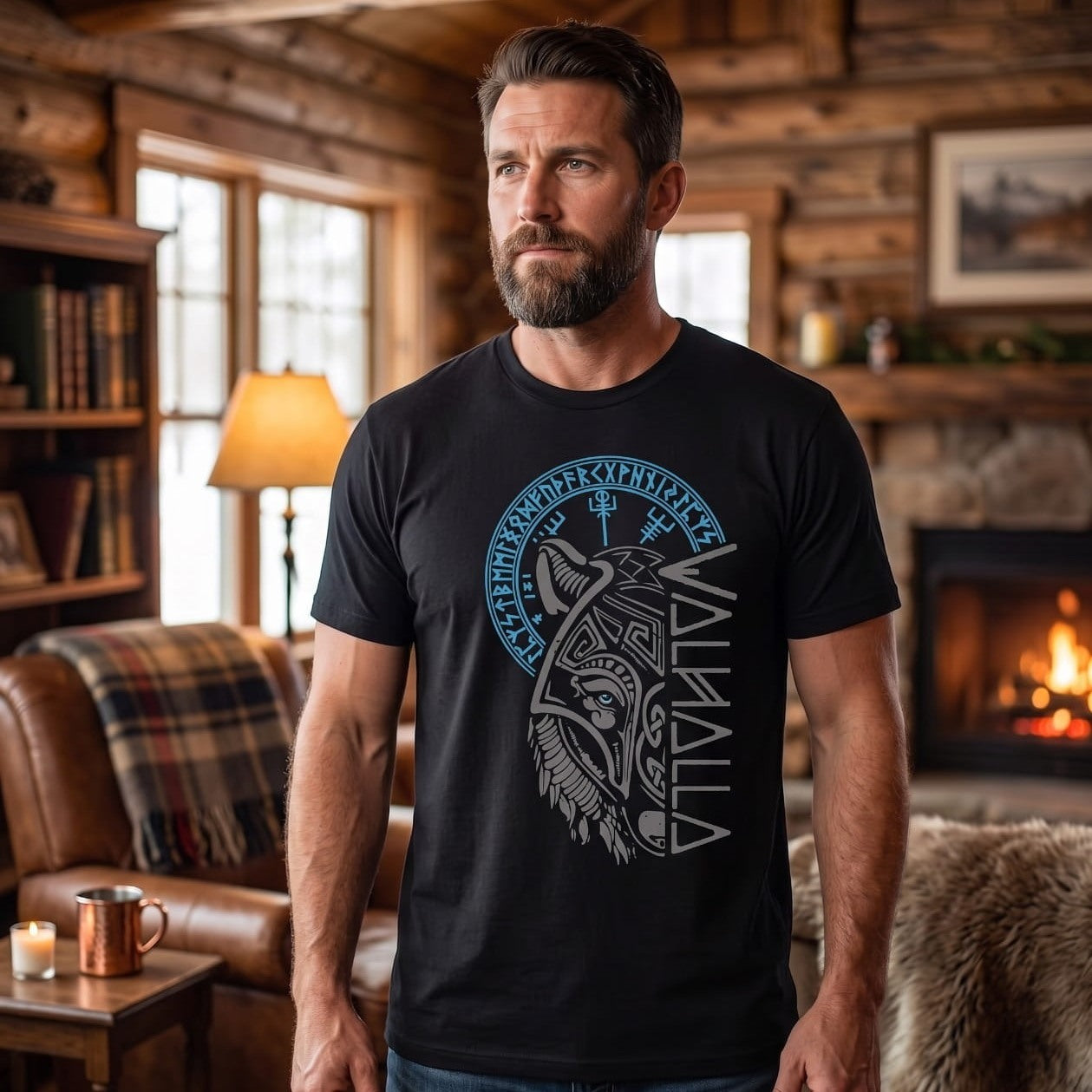
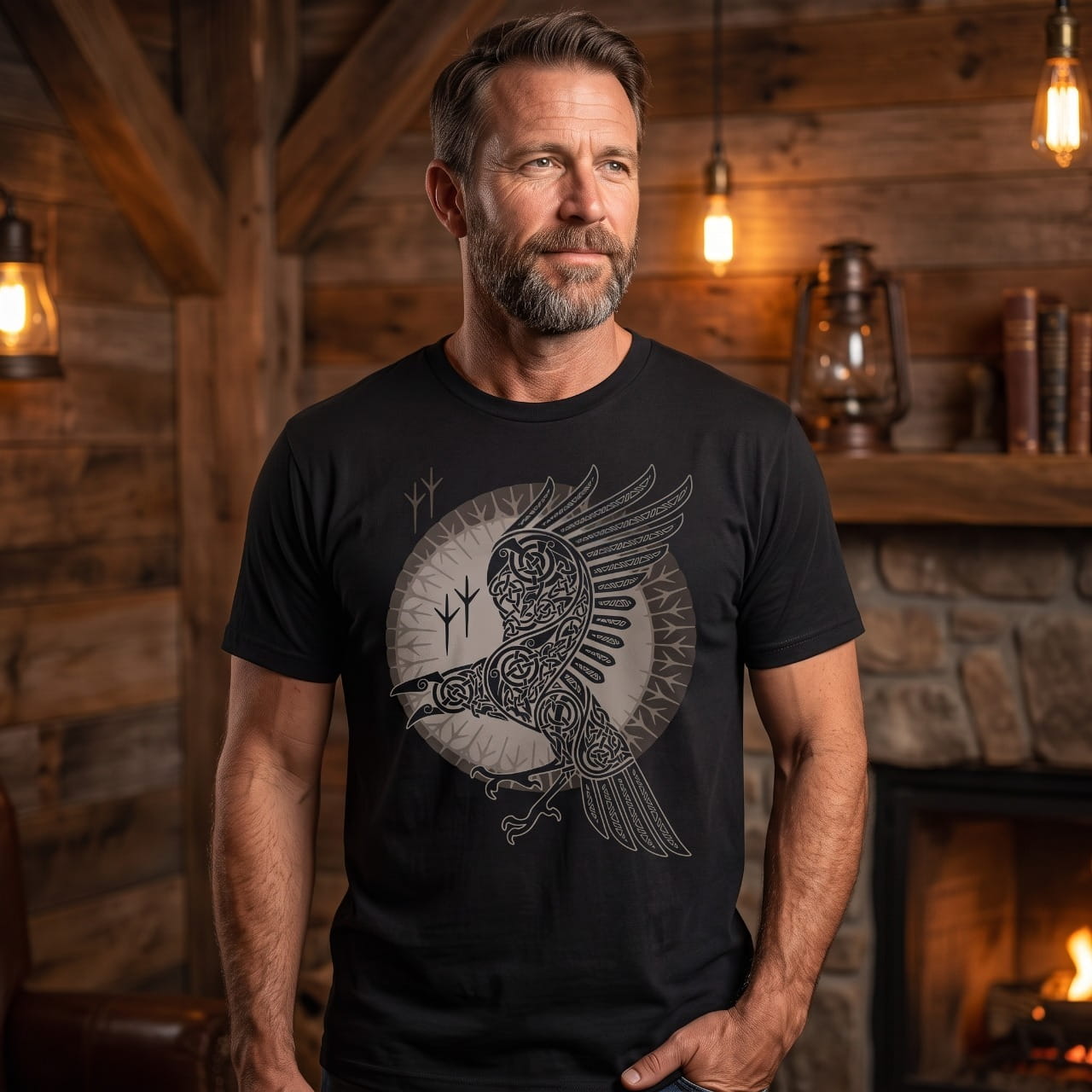
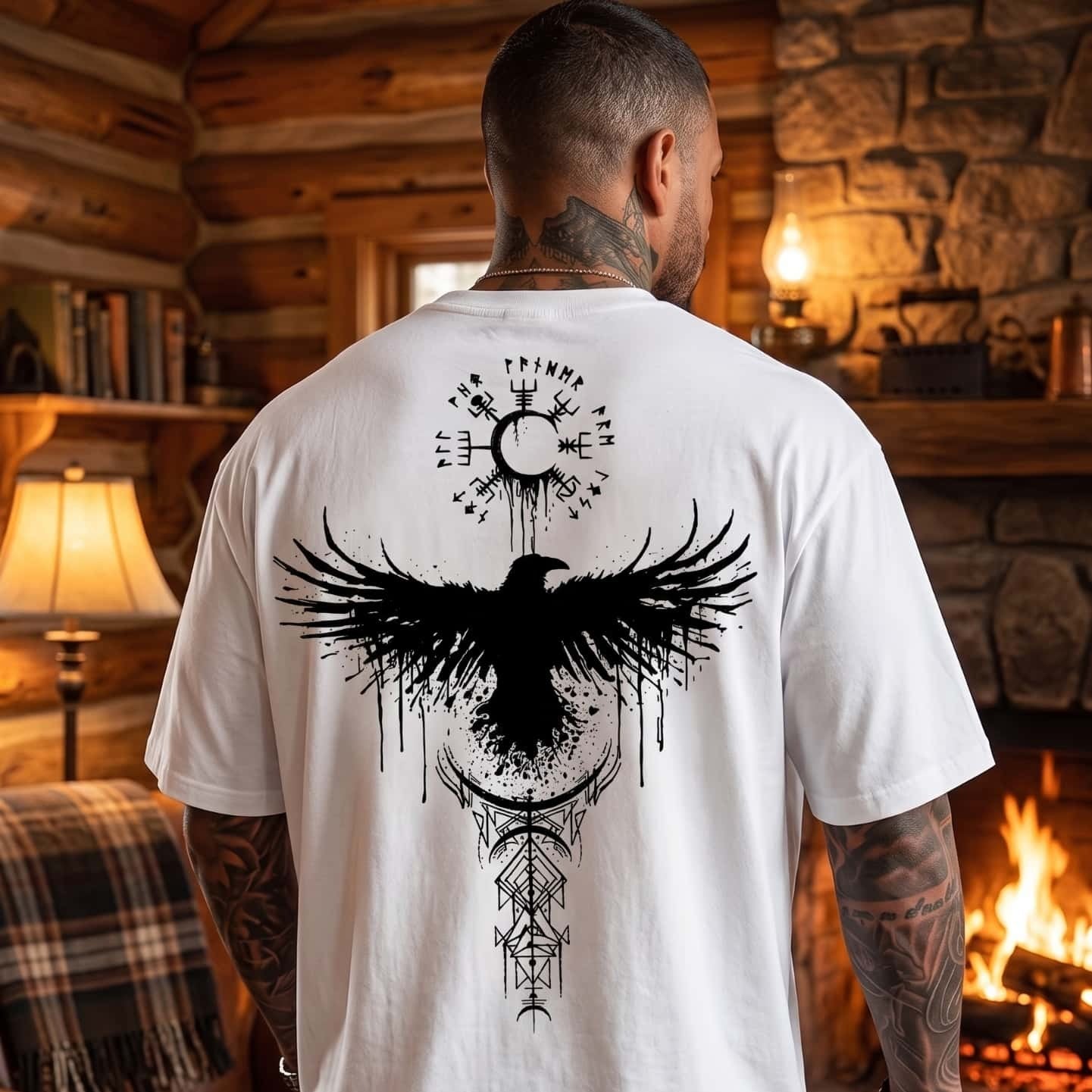
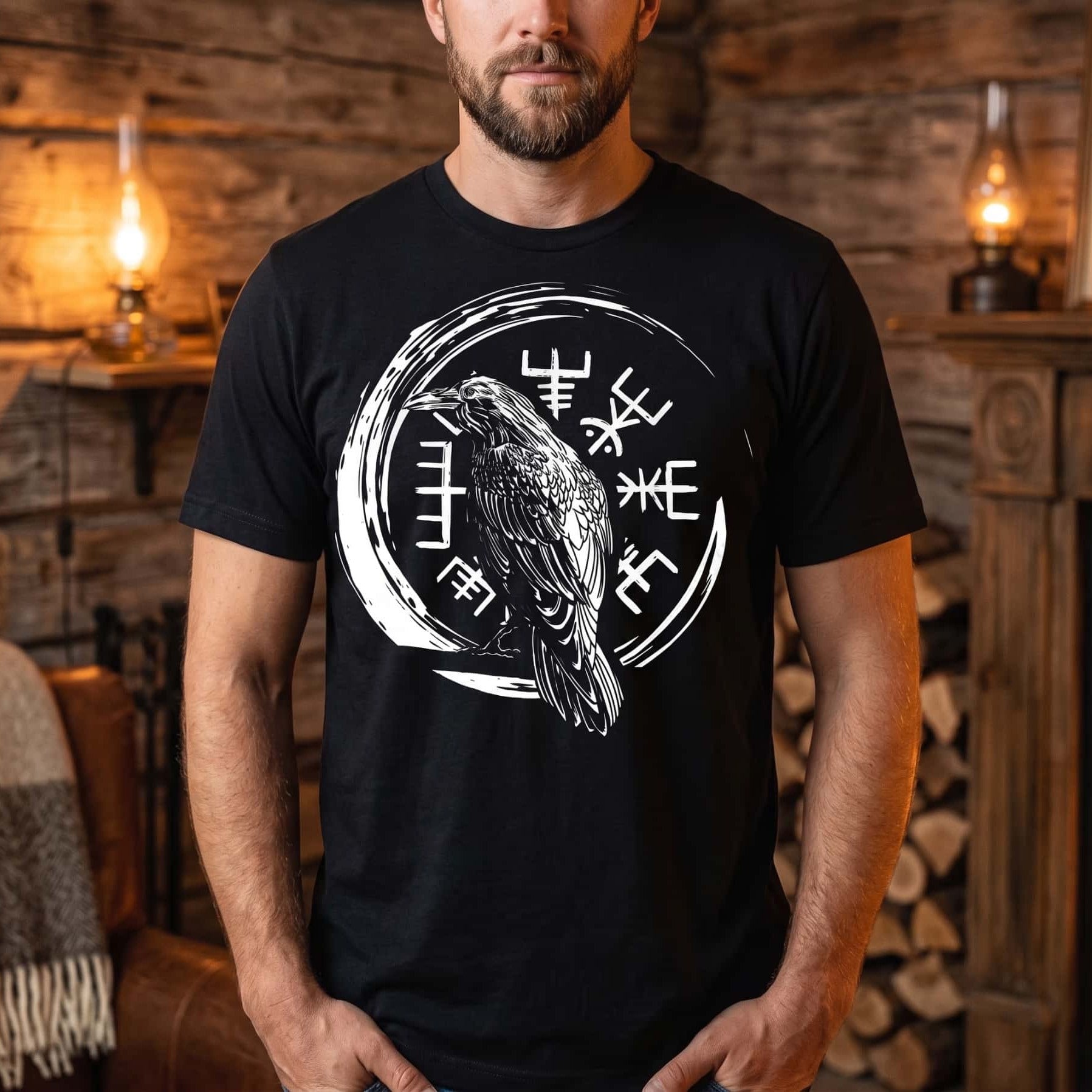
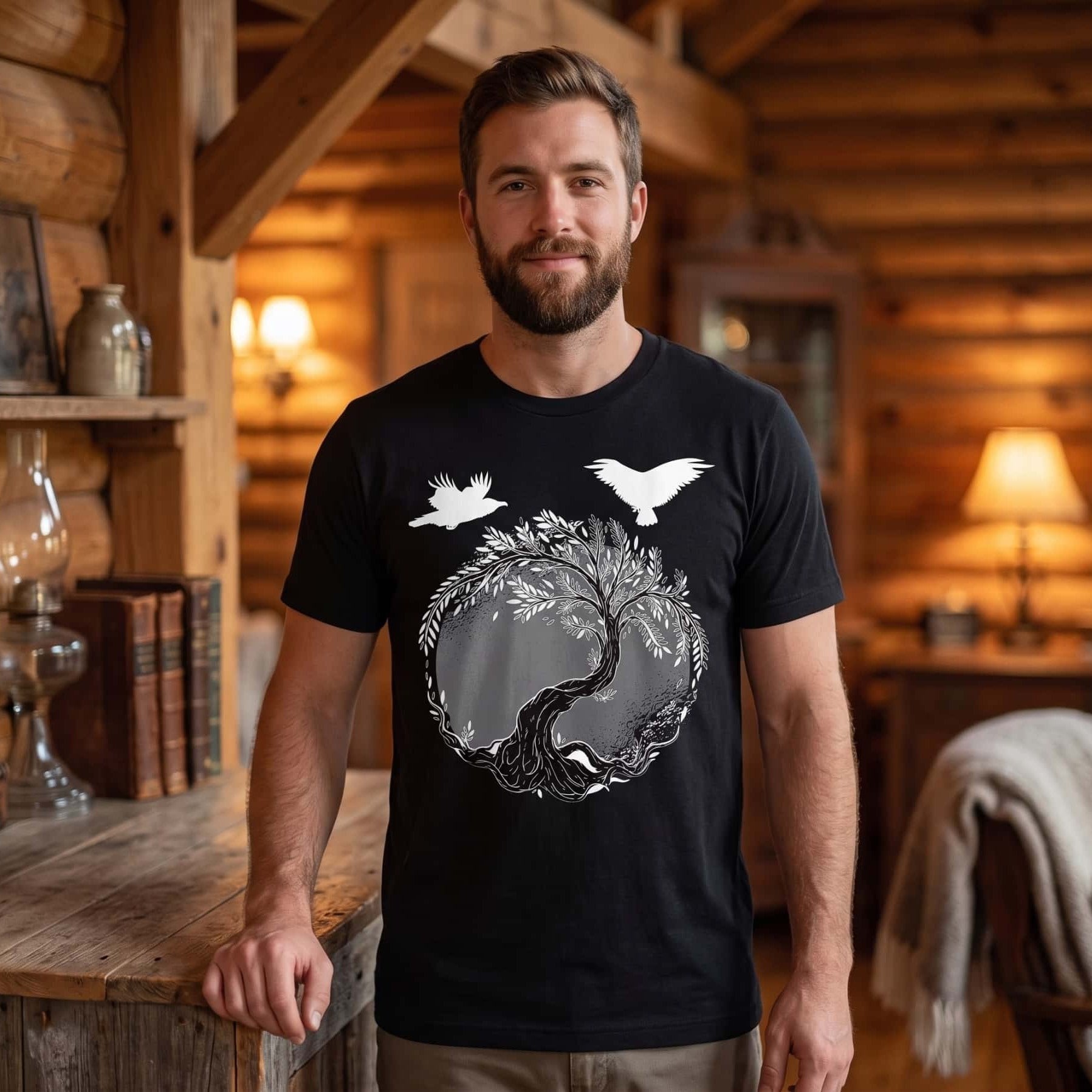
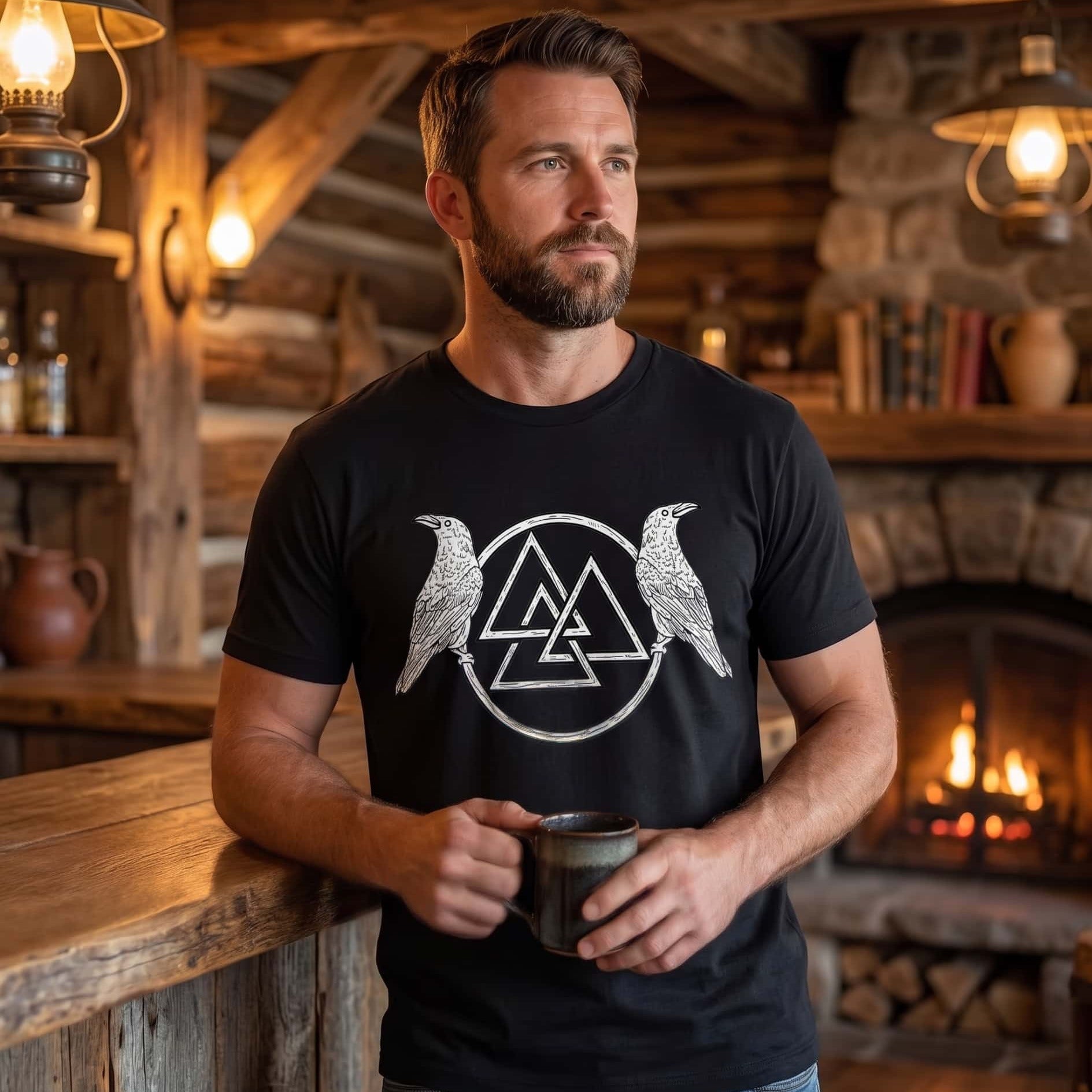
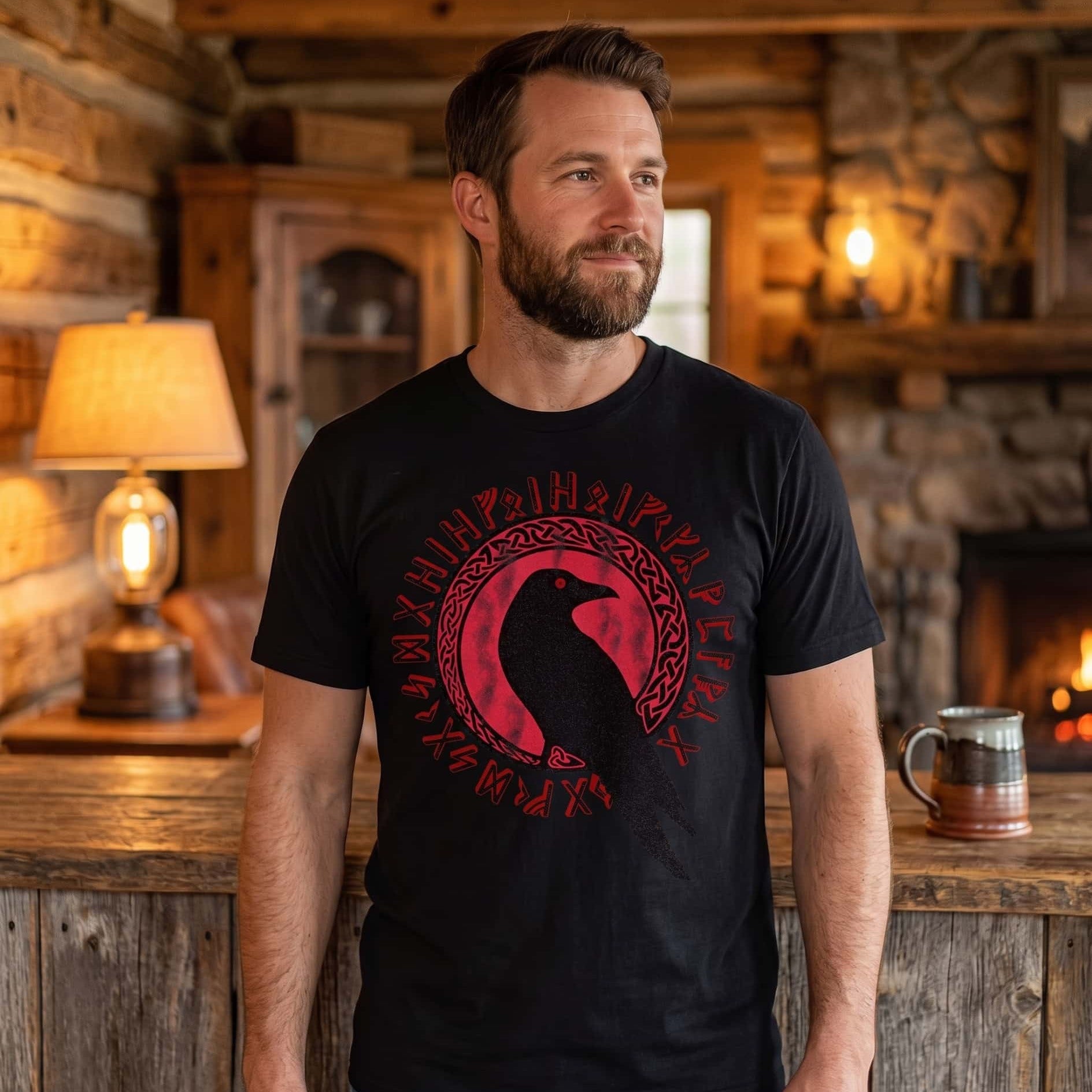
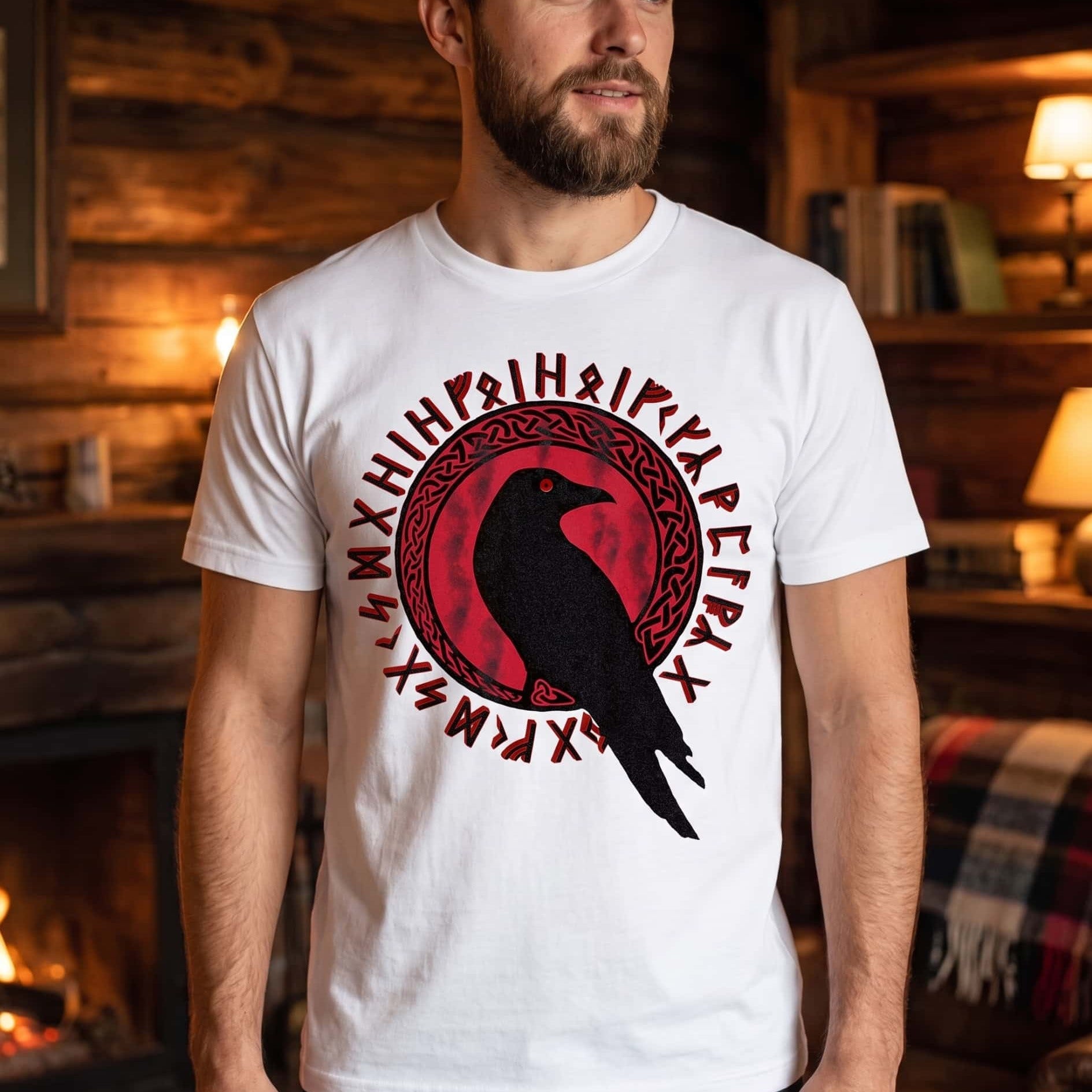
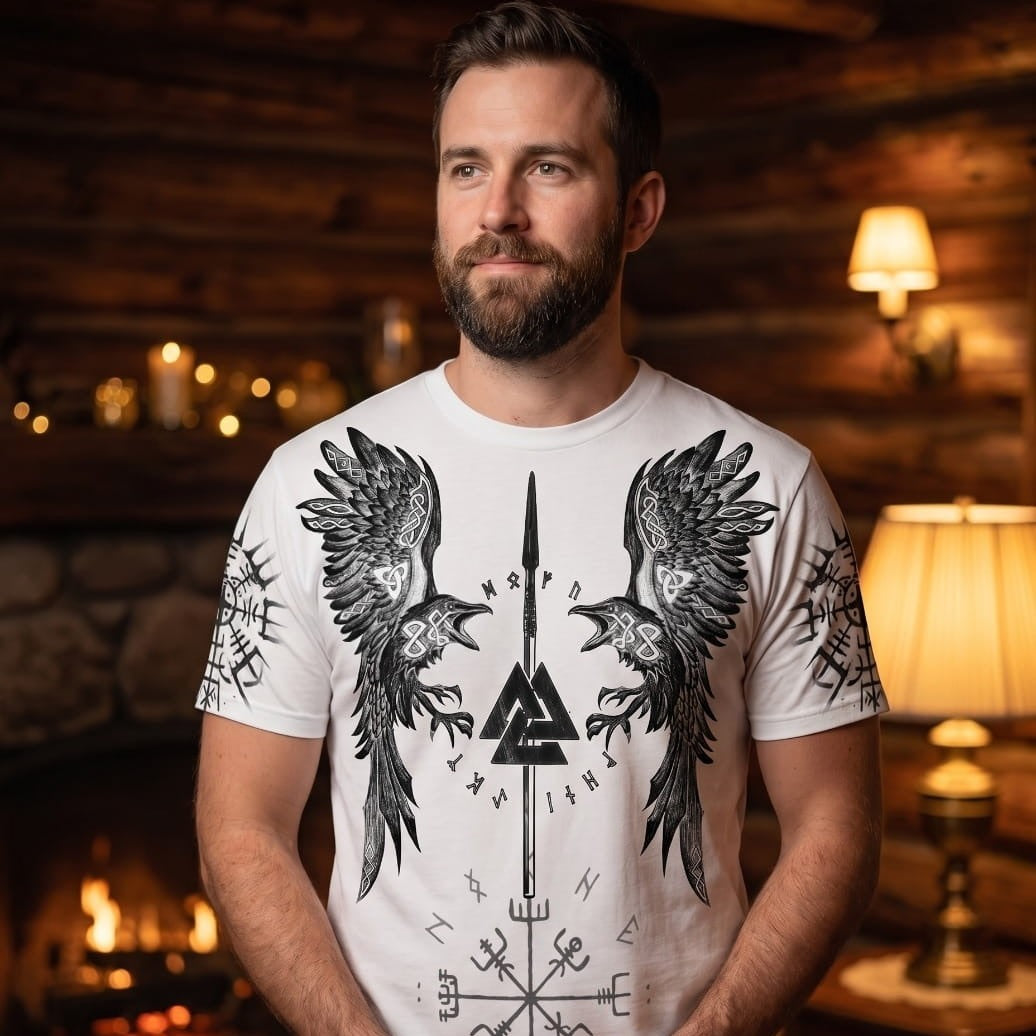
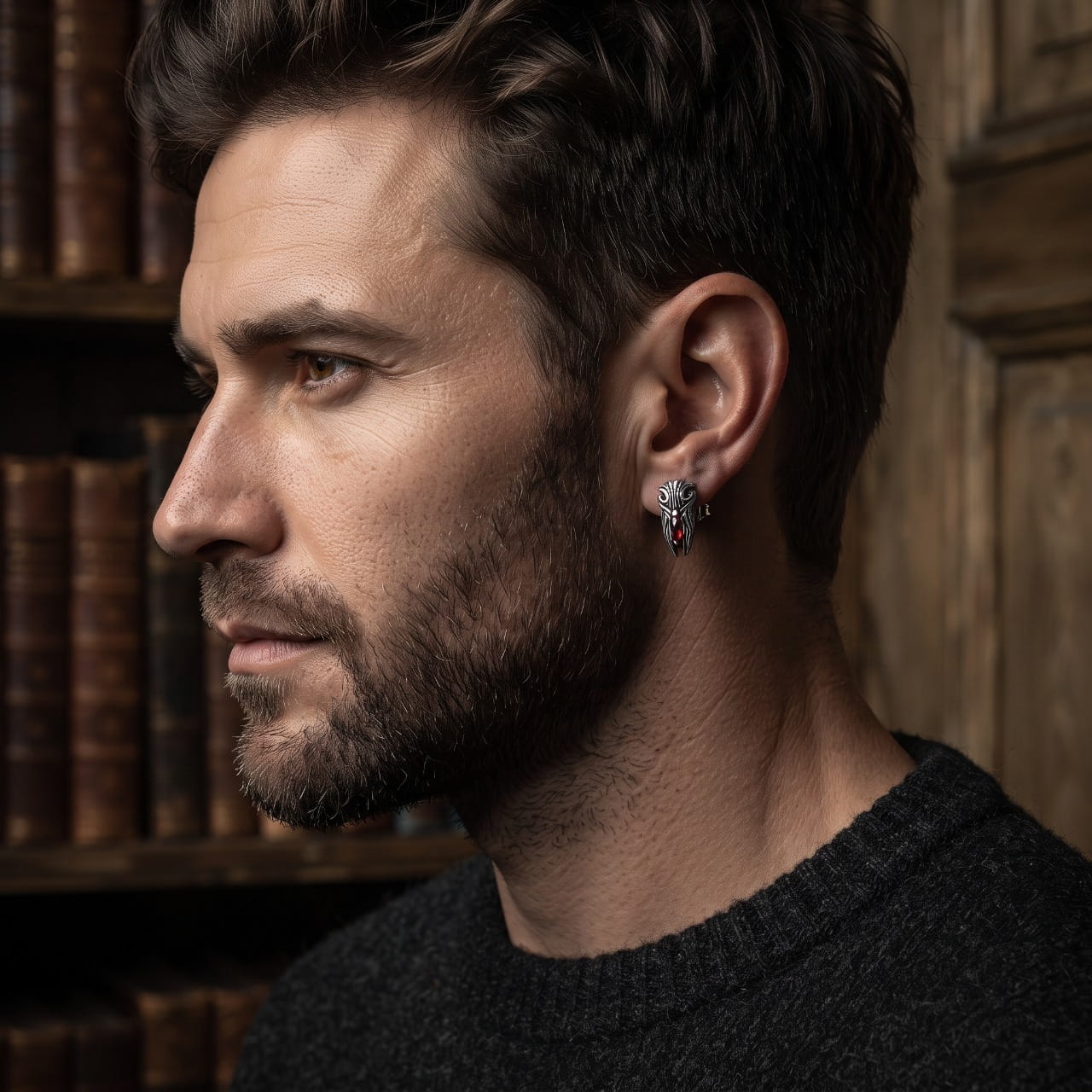
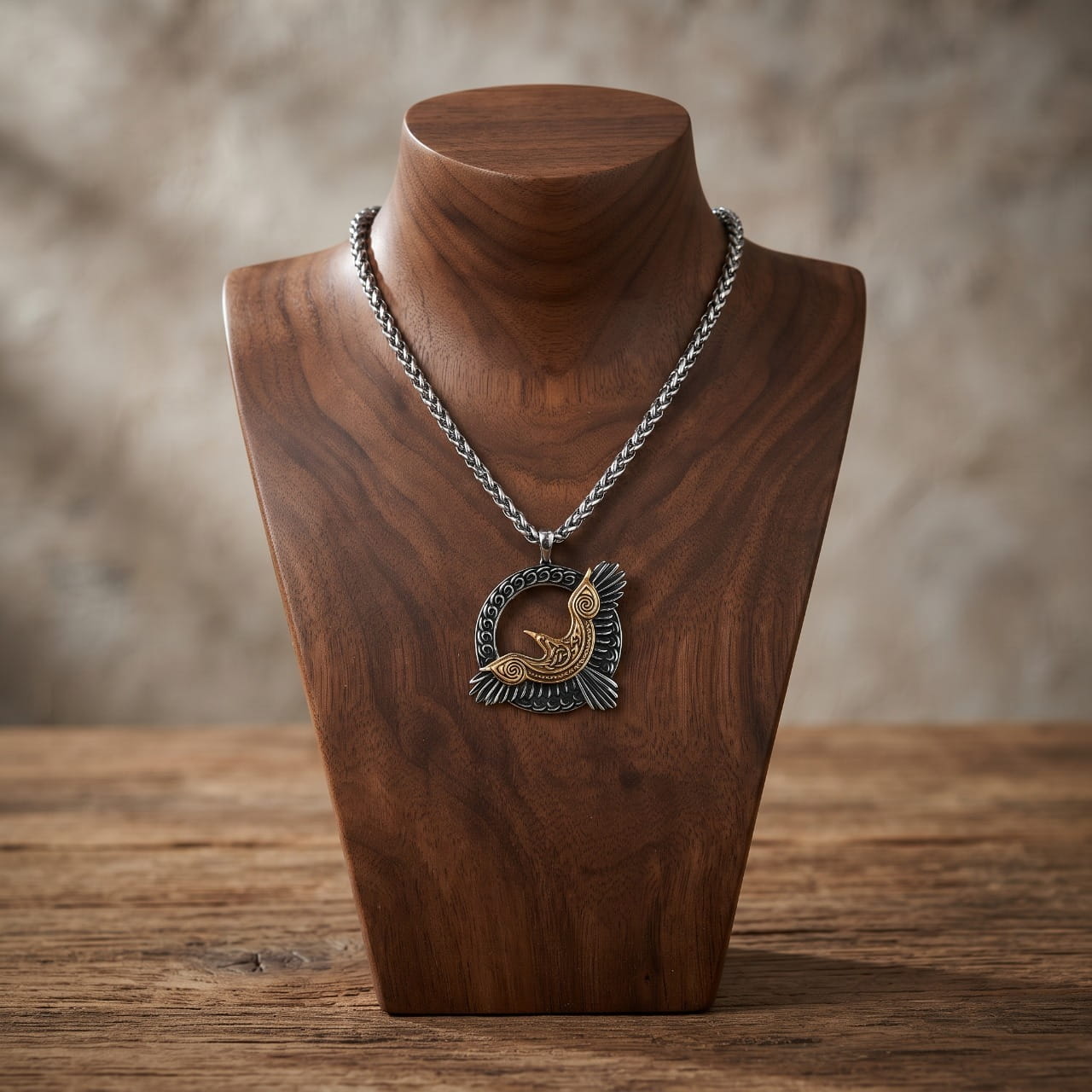
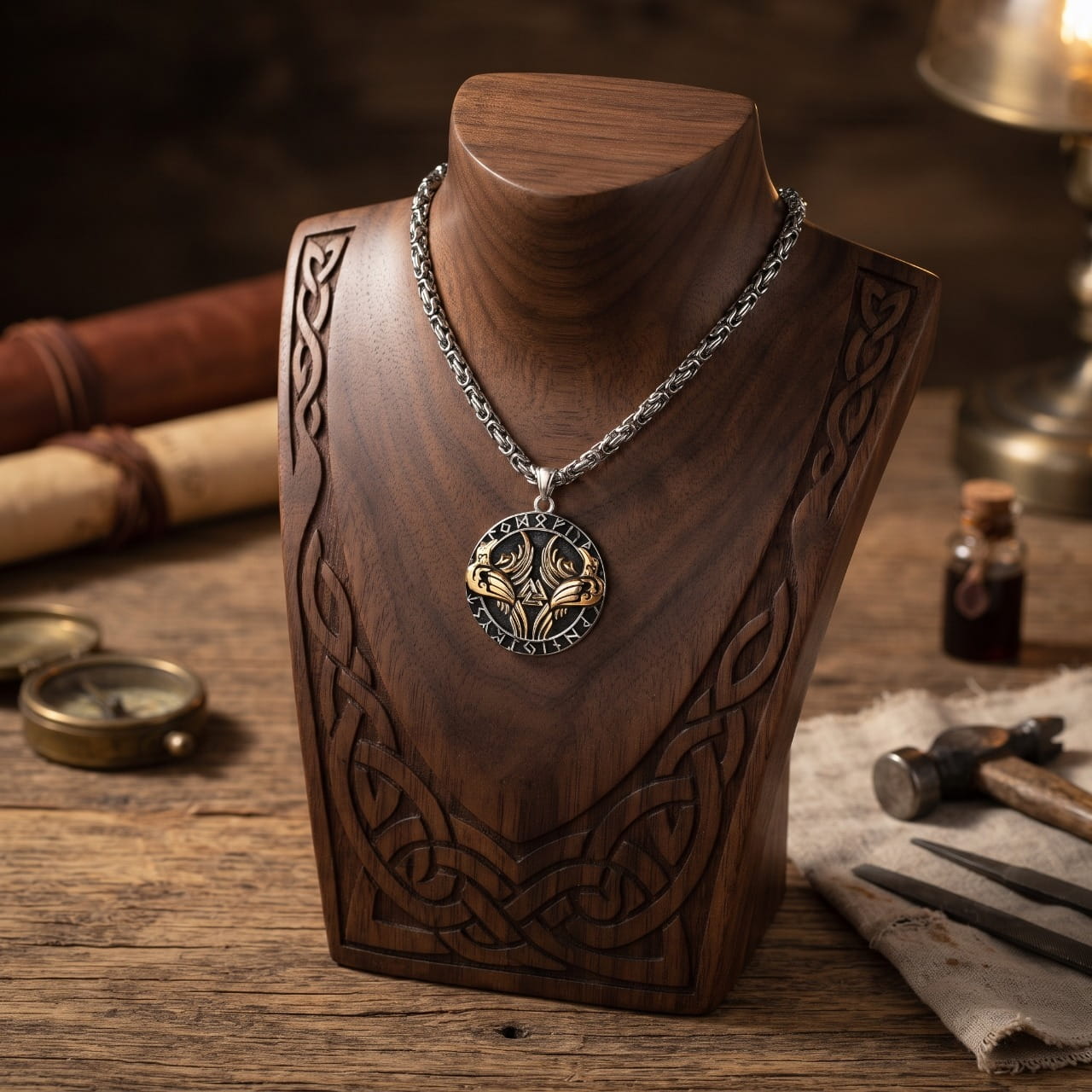
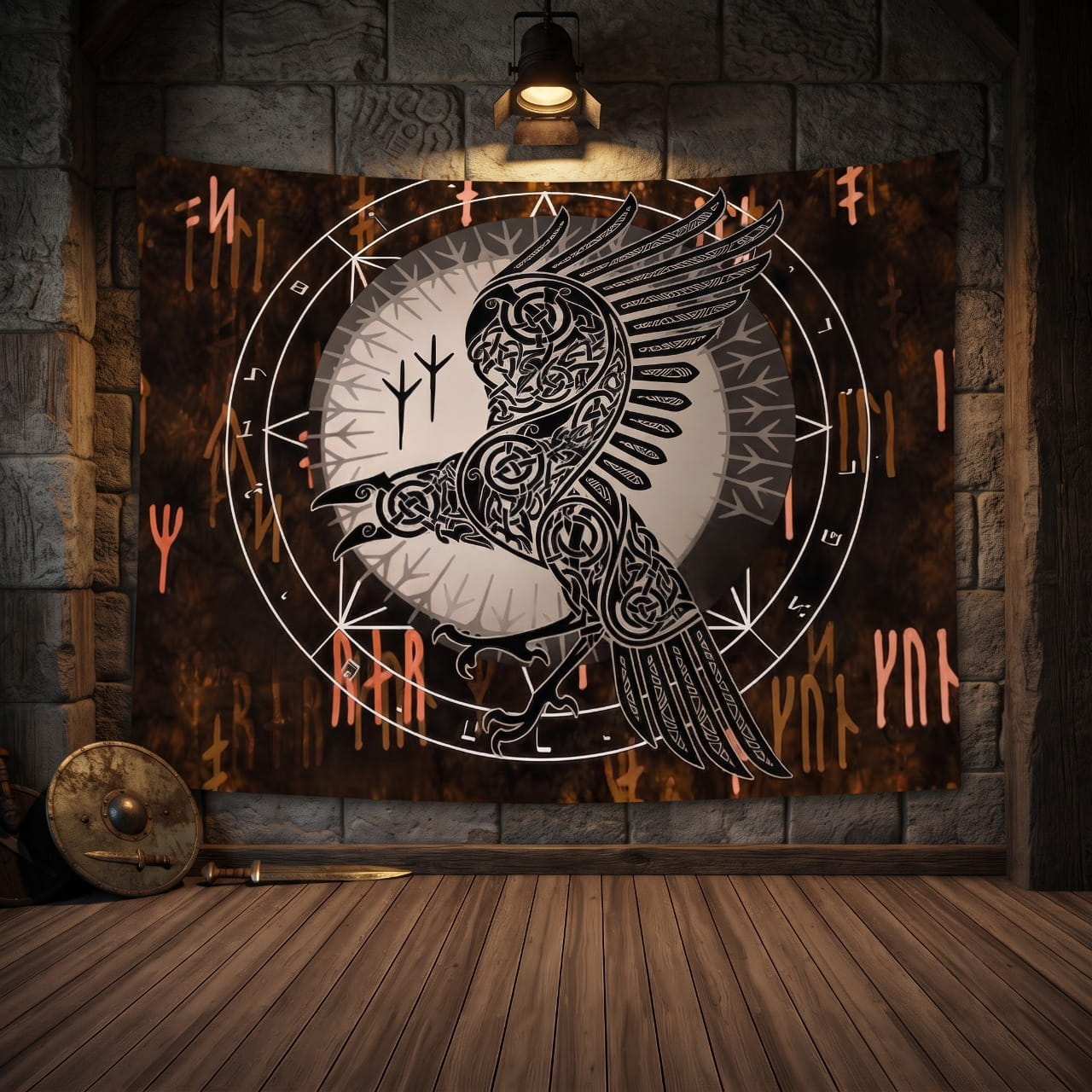
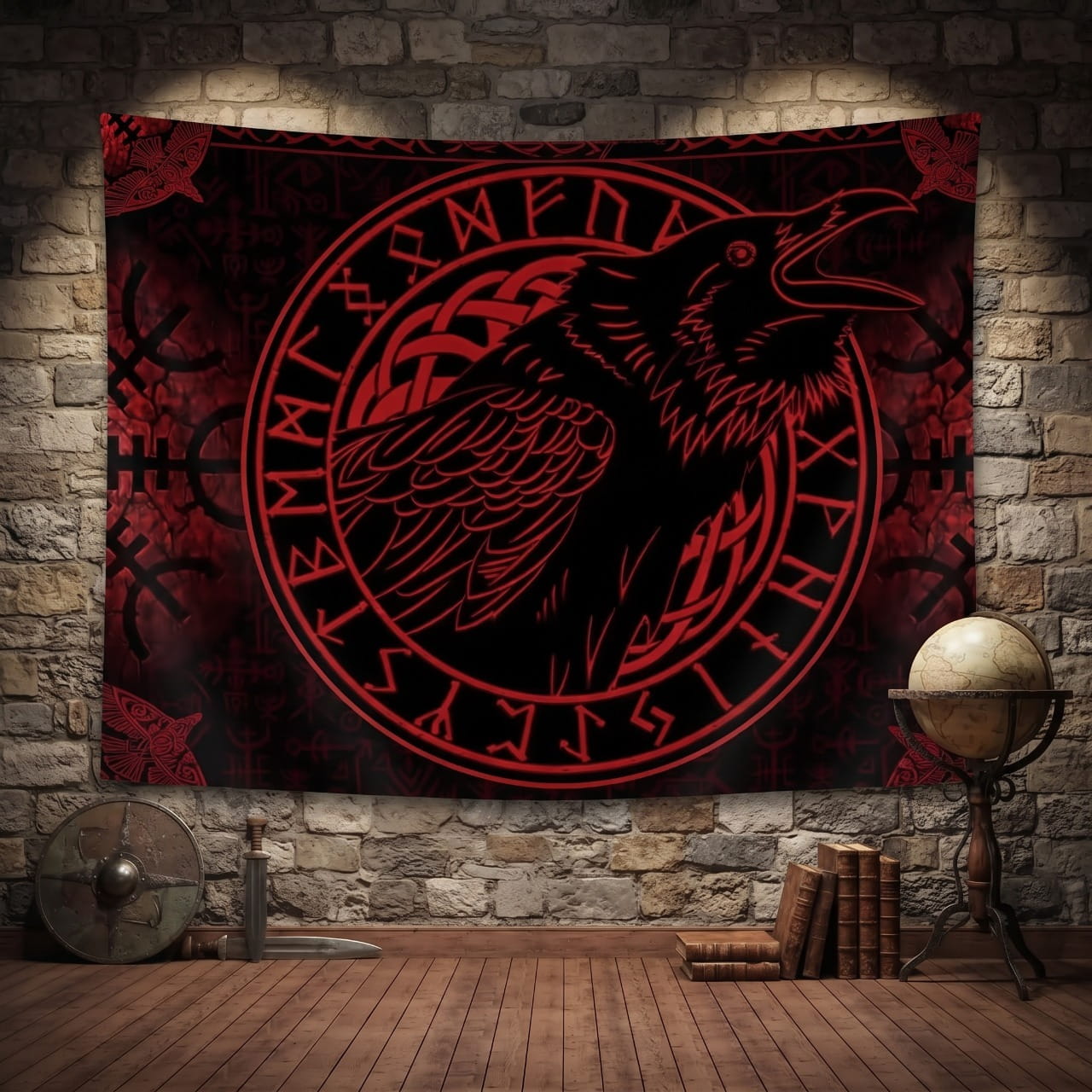
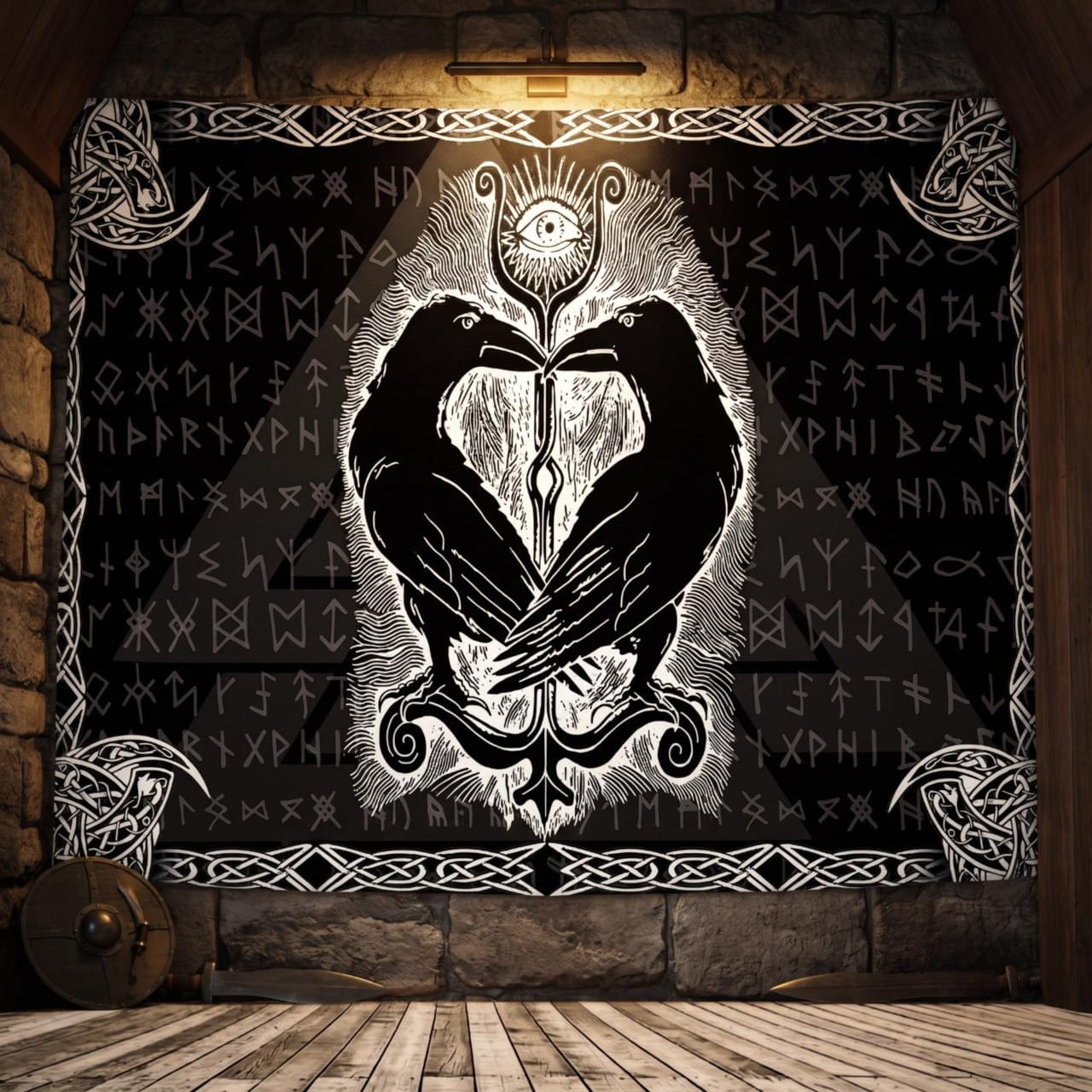
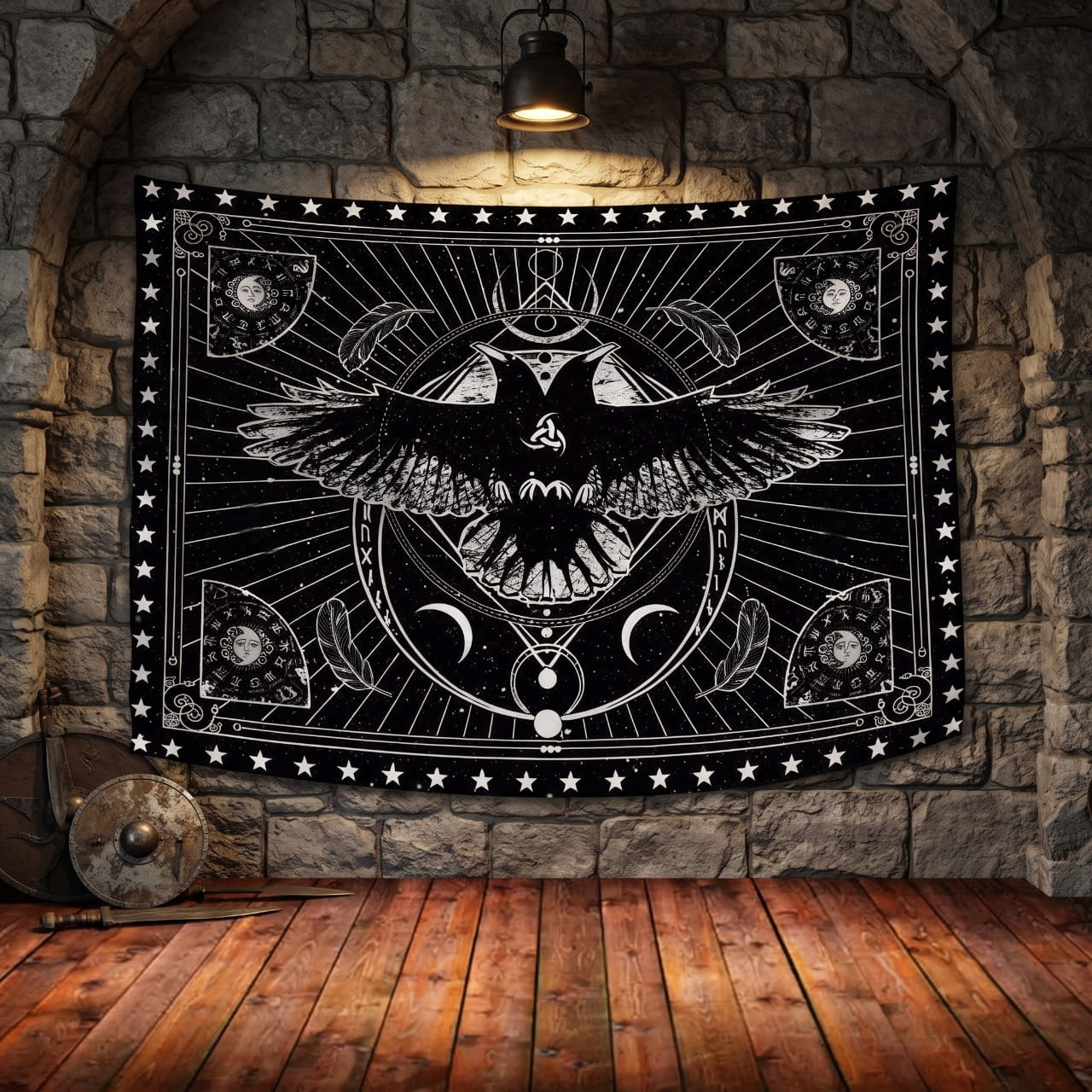
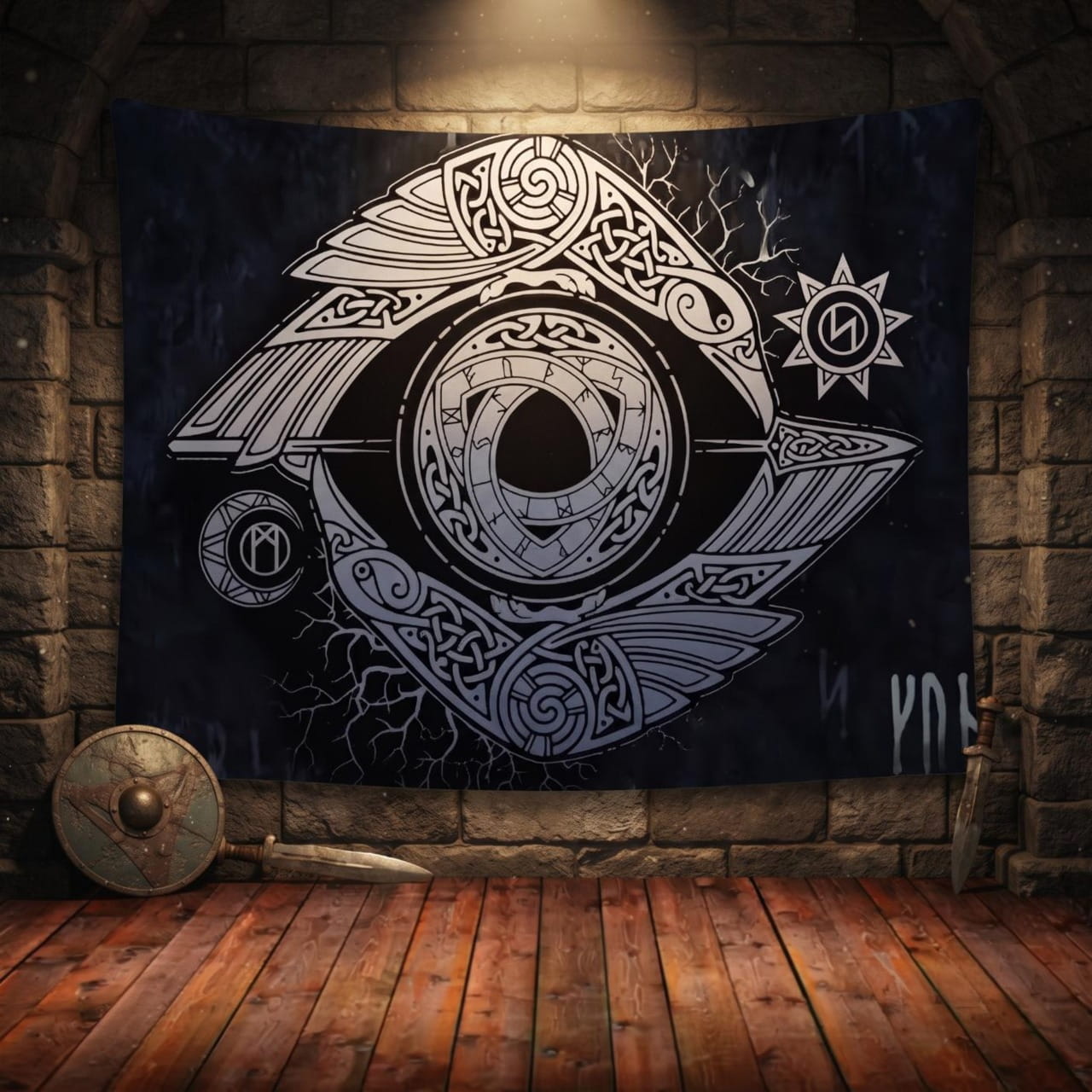
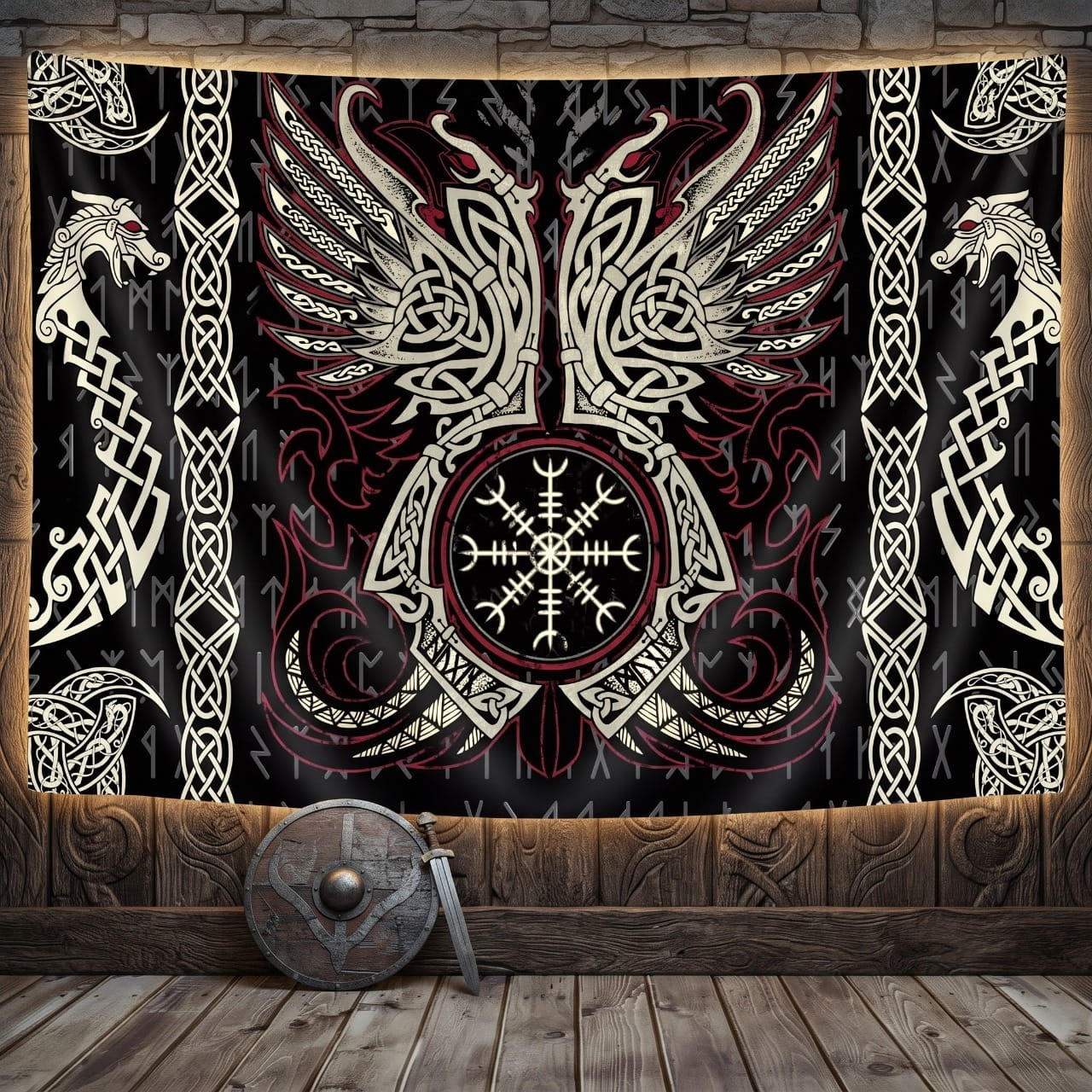
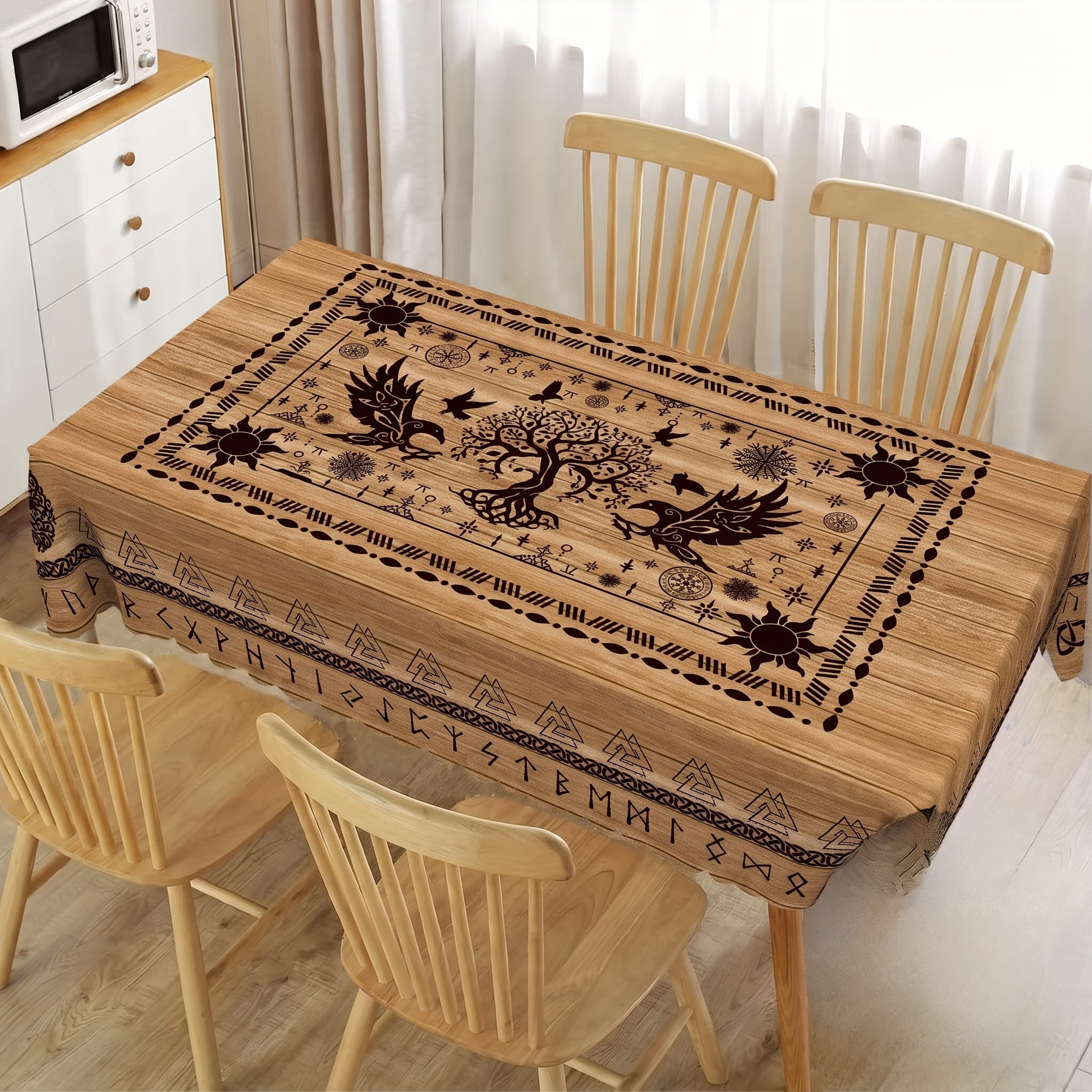
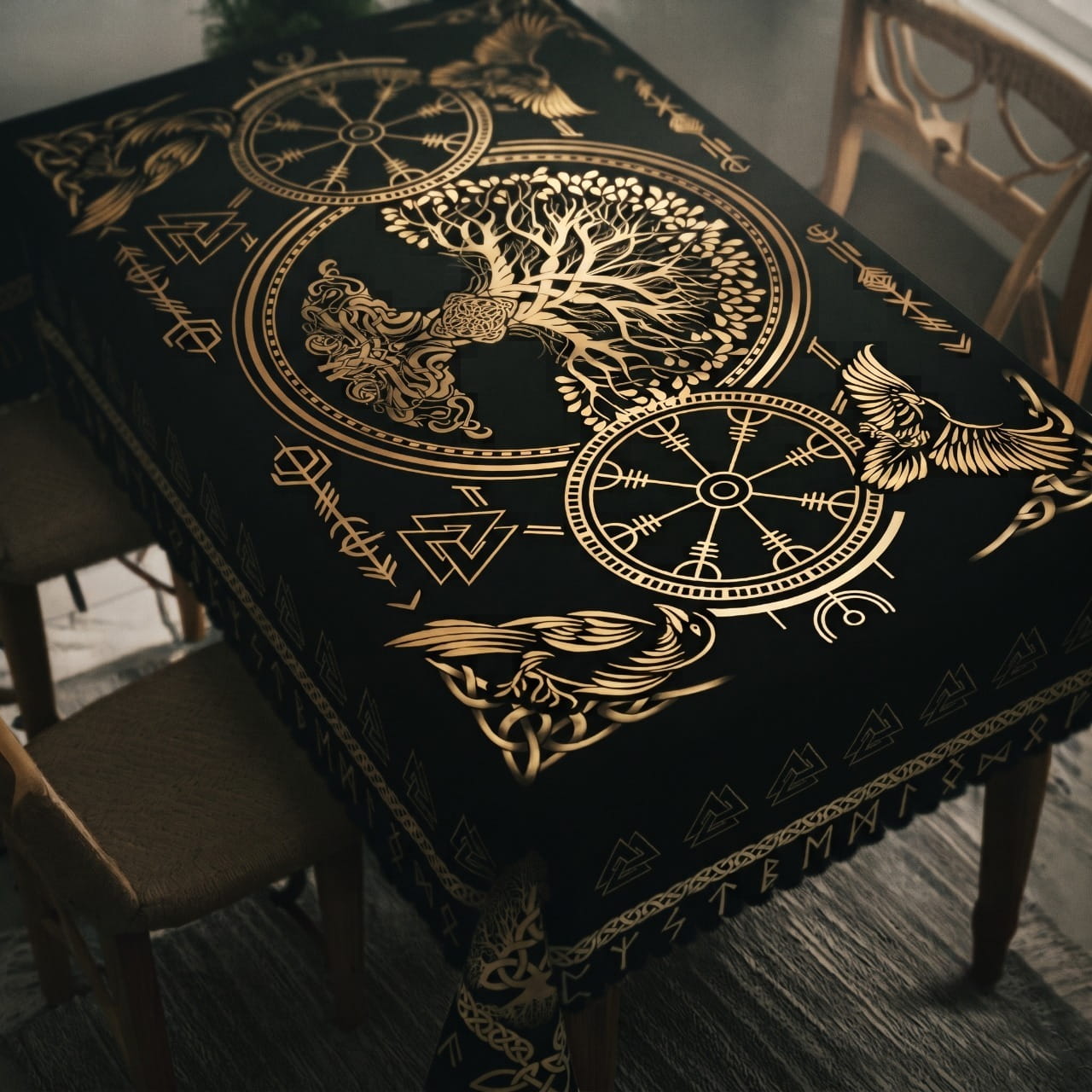
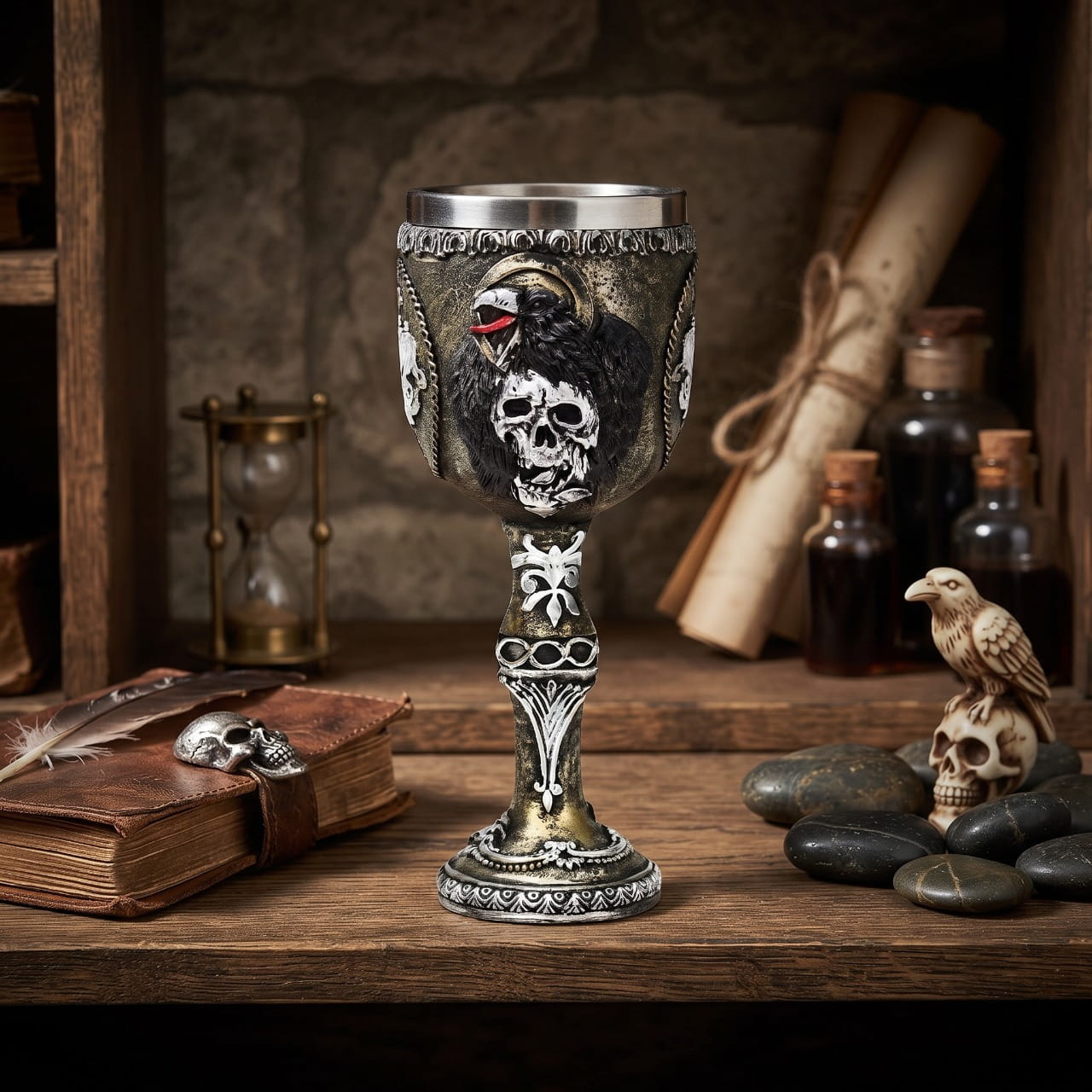
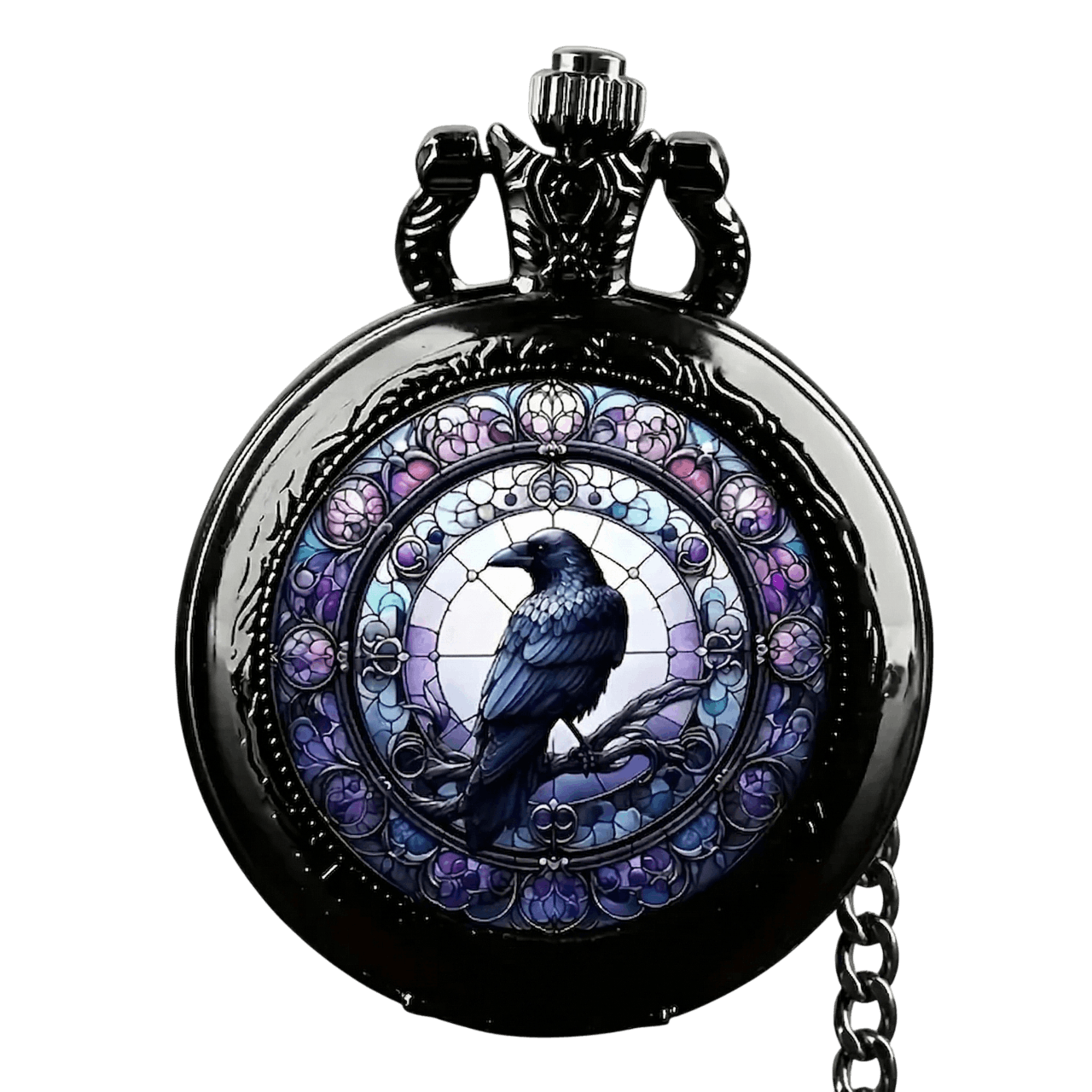
Odin's Ravens — Huginn & Muninn — en savoir plus
Two ravens perch on Odin's shoulders: Huginn, Thought, and Muninn, Memory. Every morning they fly out over the Nine Worlds, and every evening they come back to whisper to him what they have seen. It is one of the few Norse symbols attested at once by the texts, by archaeology and by coinage.
The raven in our shop, format by format
It is the most versatile motif in the collection: you can wear it, drink from it and hang it on the wall.
| Format | What for |
|---|---|
| Necklaces | Head pendant, bird in flight or pair |
| Wall tapestries | The wall, in several sizes |
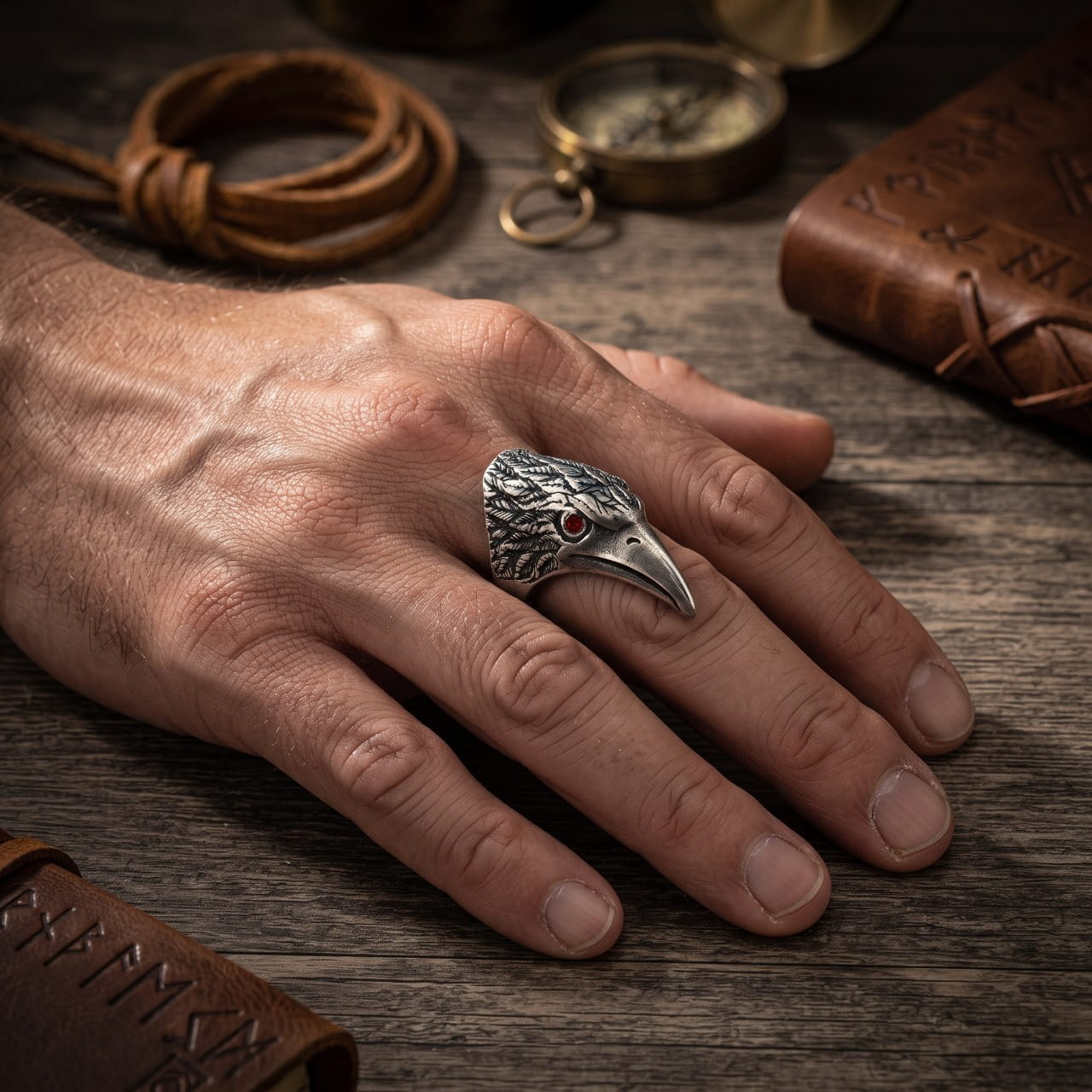
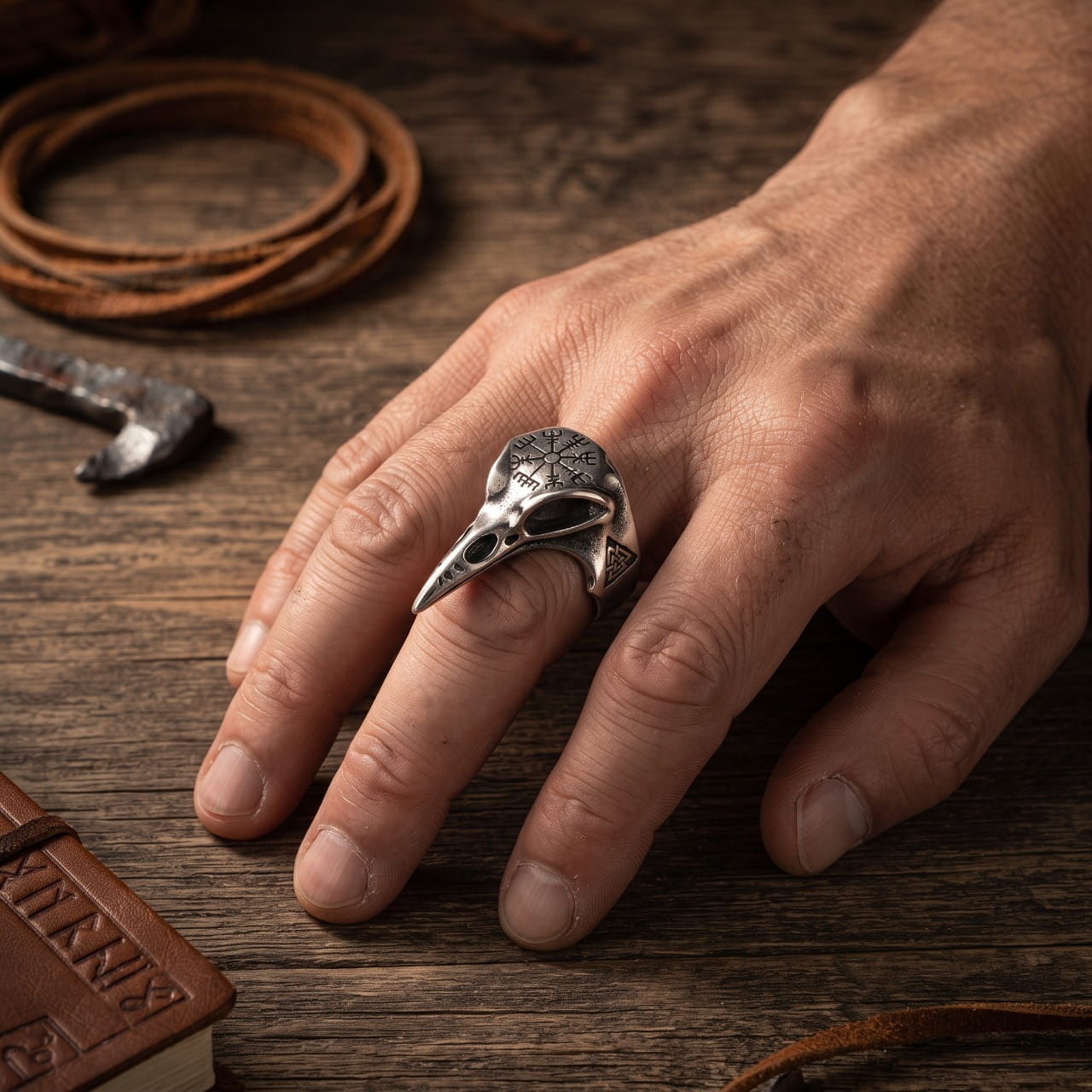
| Rings | Raven-head signet rings |
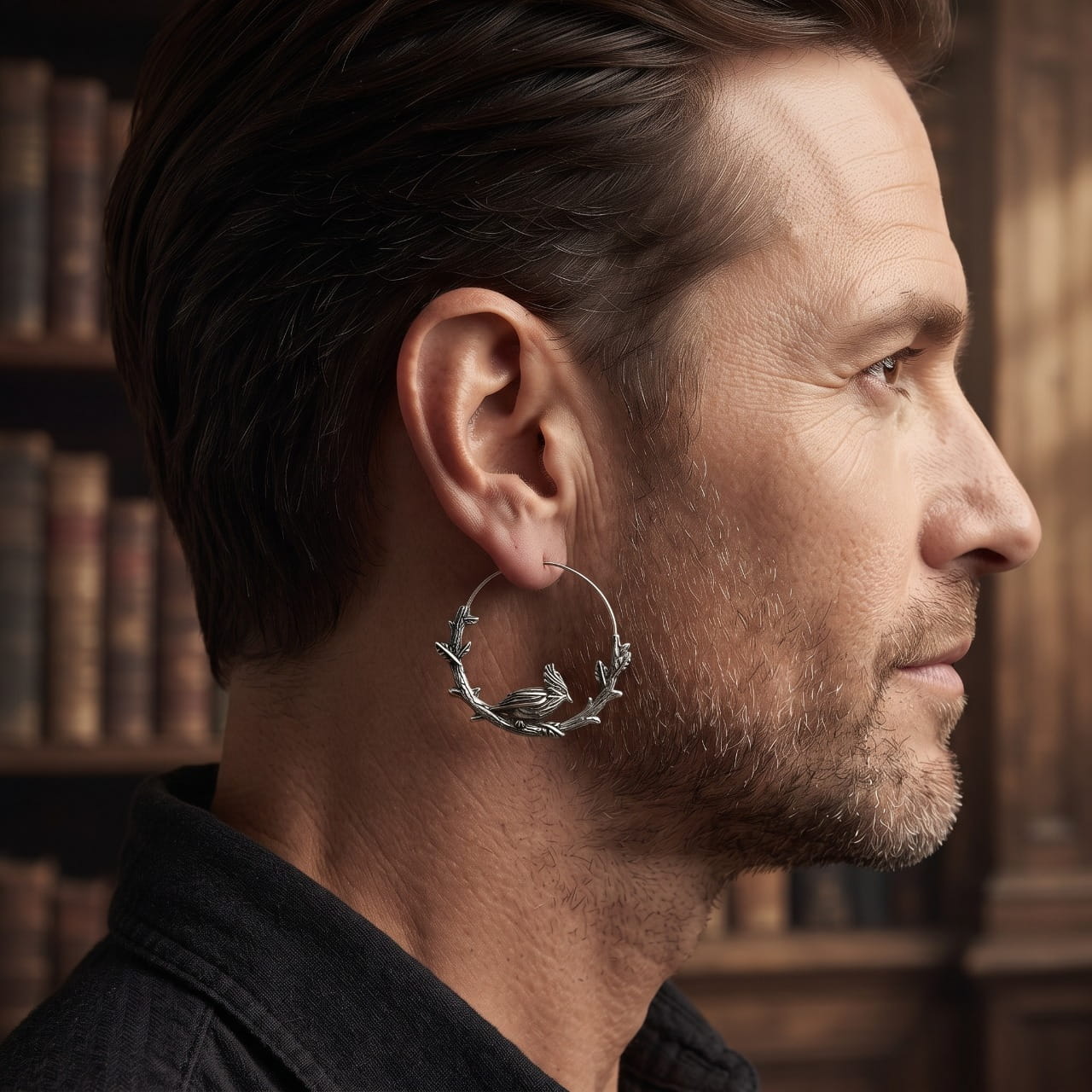
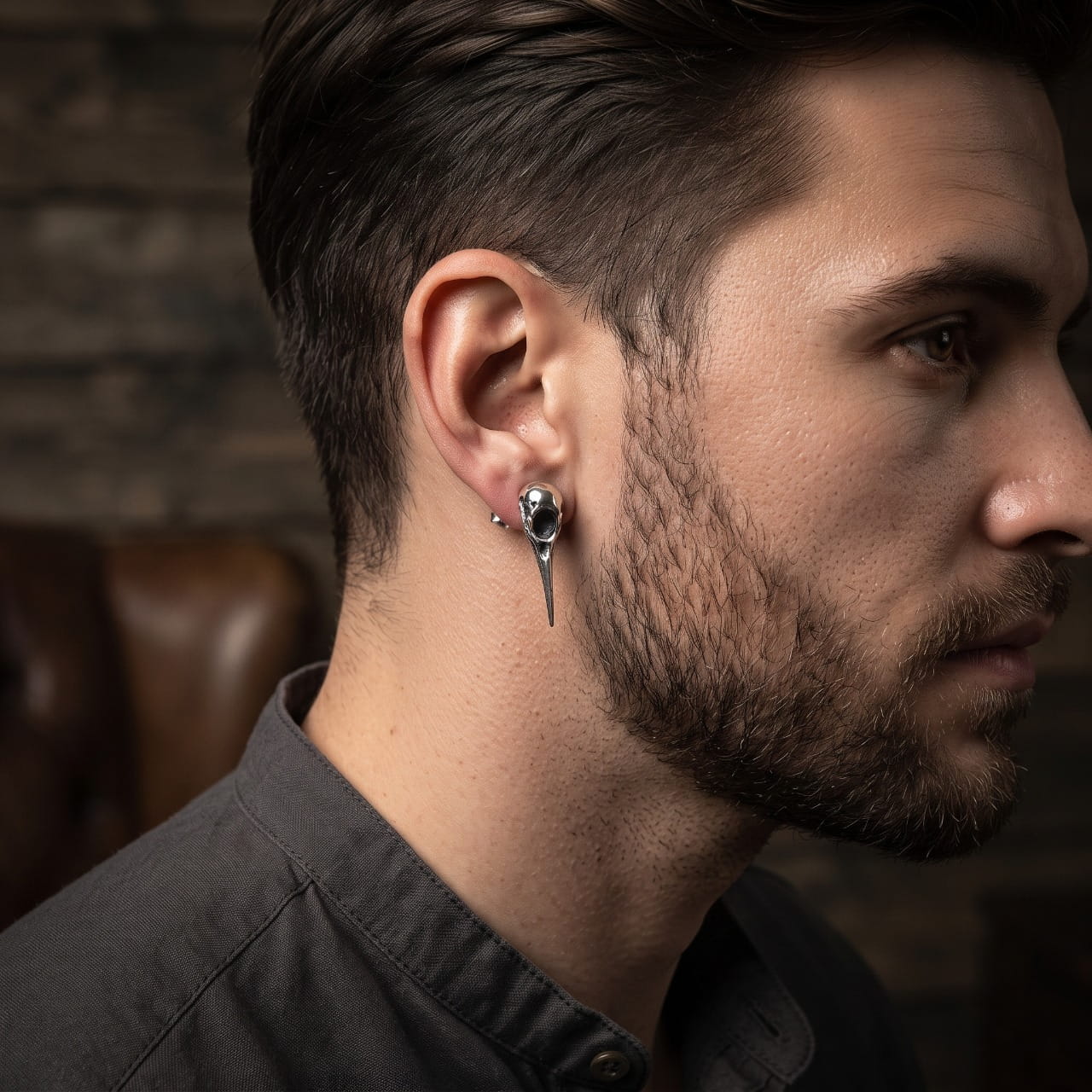
| Earrings | Studs, hoops and ear cuffs |
| Bracelets and watches | The wrist |
| Table and decor | Tablecloths, chalice, statue |
The raven is the only symbol in our collections that appears in almost every product family. If you are decorating an entire room, it is the one that allows the most consistency: see our tapestries and wall plaques alongside our Viking necklaces.
What the texts say
The Grímnismál introduces them in four lines of striking sobriety: Huginn and Muninn fly every day over the vast earth. Then comes the confession that is rarely quoted.
Odin admits that he fears for Huginn, that he may not come back — but that he fears even more for Muninn. The master of magic, knowledge and war, the one who sacrificed an eye to drink from the spring of wisdom, dreads above all else losing his memory. It is not thought that worries him: it is forgetting.
The bond is so strong that Odin takes one of his names from it: Hrafnaguð, the raven god.
Odin's ravens, in detail
The raven banner
The raven was not only a poetic figure: it flew above armies. The Anglo-Saxon sources keep the clearest trace of it. The Anglo-Saxon Chronicle reports that in 878, in Devon, the West Saxons seized a raven banner taken from a Danish fleet — a prize considered important enough to be recorded.
Later tradition embroidered on it: the banner was said to have been woven by the daughters of Ragnar Lodbrok, and the bird would beat its wings before a victory and hang limp before a defeat. The Orkneyinga saga tells the story of the banner of Sigurd the Stout, Earl of Orkney, whose mother is said to have told him it would bring victory to the army but death to whoever carried it. Three standard-bearers fell; Sigurd ended up taking it himself, and died.
A bird struck on coins
Olaf Guthfrithsson, Norse king of Dublin and then of York, had silver pennies struck around 939-941 bearing a raven with outstretched wings. These coins circulated in a Scandinavian kingdom established in England — a claim of pagan identity struck into coin, a few years before the region's final conversion.
The raven as a navigation tool
The Landnámabók tells how Flóki Vilgerðarson found Iceland. Setting out from Norway, he took three consecrated ravens with him. On the open sea, he released one: the bird flew back toward the stern — land lay behind. Further on, he freed the second: it circled for a while and came back to rest on the mast, no coast in sight. The third, released later still, flew straight ahead and did not come back. The ship only had to follow.
Flóki earned his nickname from it: Hrafna-Flóki, Flóki of the Ravens. A bird that does not come back is worth more than a map.
Feeding the raven
In skaldic poetry, winning a battle is rarely said directly. You say you have fed the raven, or sated the eagle, or given the wolf a drink. These three scavengers form the “beasts of battle”, a motif so widespread that it also turns up in Anglo-Saxon poetry, among the Vikings' enemies.
So the raven is not only the confidant of a god: it is the bird that arrives afterward, and whose presence means there has been a fight.
The real bird lives up to the myth
The common raven, Corvus corax, has a wingspan of more than a meter and lives around twenty years in the wild. Studies of its cognition are impressive: it makes and uses tools, recognizes itself in a mirror, plans for the next day, and hides its food differently depending on whether another raven is watching or not — which implies picturing what the other one knows.
In other words, the Scandinavians who made this bird the bearer of a god's thought and memory had observed well.
Why a god needs spies
The detail deserves a closer look, because it says something about the Norse pantheon. Odin is not omniscient. He does not know what is happening: he has to find out, and to do so he sends out birds, questions the dead, puts himself on the line.
The list of his sacrifices speaks volumes. He leaves an eye at Mimir's well for a mouthful of wisdom. He hangs for nine nights on Yggdrasil, wounded by his own spear, to seize the runes. He hides his identity under dozens of names to travel incognito and ask questions. He makes the severed head of Mimir speak.
Knowledge, in the Norse world, does not fall from the sky: it is paid for, stolen, brought back. The two ravens are not a royal ornament — they are working tools.
Choosing a tapestry size
Our raven tapestries differ mainly in size. The small panels suit the space above a desk or a single headboard, or a hallway. The large sizes are designed to cover an entire wall and transform the room.
Two things to check before choosing. First measure the wall width actually available, furniture included — a tapestry that runs behind a wardrobe loses half its design. Then check the ceiling height: the large sizes hang low, and a tapestry that touches the floor gets dirty and loses its shape.
Recognizing it at a glance
A raven is not an oversized sparrow. It has a massive, slightly hooked beak, a wedge-shaped tail — never forked — and plumage with a bluish sheen. Pieces showing a thin beak and a V-shaped tail depict another bird, and we prefer to name them differently rather than sell a raven that isn't one.
Our materials
The jewelry is stainless steel, polished or blackened. Blackened suits this bird particularly well: the black settles into the engraved feathers and leaves the ridges bright, which recreates the metallic sheen of real plumage.
The tapestries are printed polyester, machine washable at 30 °C, available in several sizes from the small panel to the large wall piece. The tablecloths use the same material. The statue is hand-painted resin.
Care
Jewelry: lukewarm water, mild soap, a soft toothbrush in the engraved feathers, dry with a cloth. On blackened pieces, no polishing paste — it would lighten the recesses and erase the contrast of the plumage.
Tapestries and tablecloths: machine wash at 30 °C, gentle spin, no tumble dryer, iron at low temperature on the reverse side. A tapestry left for months in full sun will eventually fade; on a wall out of direct sunlight it will keep for years.
How to wear it
We offer the raven in three very different treatments, and the choice changes everything. The head alone in profile is the most graphic and the easiest to read at a small size. The bird in flight, wings spread, needs width: it is the motif of the large hoops and wide pendants. The facing pair, two ravens mirroring each other, is the most faithful to the myth, since they always go in twos.
For a necklace, allow 55 cm of chain for a pendant in flight, which needs room to spread out. A raven-head signet ring goes well with a pendant from the same family, as long as one of the two stays understated.
Giving one of Odin's ravens as a gift
It is the symbol we recommend to anyone torn between several. It can be read without explanation — everyone recognizes a raven — while carrying a precise meaning for those who know the texts. And it is the only one of our symbols available in almost every product family, which lets you fit the gift to your budget without changing the motif.
For someone interested in Odin in particular, the raven and the Valknut make the most coherent pair. For a gift for the home rather than for a person, the wall tapestry remains the most impressive piece to unwrap.
Frequently asked questions
Huginn and Muninn: which is which?
Huginn comes from hugr, thought; Muninn from munr, memory. No source tells them apart physically, and none says on which shoulder each one sits. Depictions that differentiate them do so by modern convention.
Is the raven a bad omen?
In French folklore, often. In the Norse world, never: there it is the bird of knowledge and victory. These are two distinct traditions, and it is the second that applies here.
How is it different from a Celtic raven?
The raven also appears in Irish and Welsh myths, notably with the Morrígan and with Bran. These are parallel traditions, with no lineage linking them to Huginn and Muninn. Our pieces belong to the Norse world.
Do the tapestries go up like a poster?
They hang, which avoids holes: most attach with grommets or a simple rod. You will need a clear wall and enough free height, as the large sizes hang fairly low.
Polished or blackened for a raven pendant?
Blackened, if the pendant details the plumage. The raven is a motif of fine engraving: on uniformly polished steel, the rows of feathers get lost in the reflections and the bird becomes an indistinct silhouette. Blackening fills the grooves, leaves the ridges bright and restores something of the bluish sheen of real plumage. Polished, on the other hand, works very well for stylized pieces with large flat areas, where the silhouette carries the motif.
One raven or two?
The texts always present them as a pair, so a facing pair is the most faithful version. But a single raven reads better at a small size, and nothing stops you from wearing Huginn without Muninn — or adding a second piece later. It is also an elegant way to give a gift in two installments.
📖 To go further: our article on Huginn and Muninn, our complete feature on Odin, and the 17 Viking symbols.